
Last updated October 15, 2026
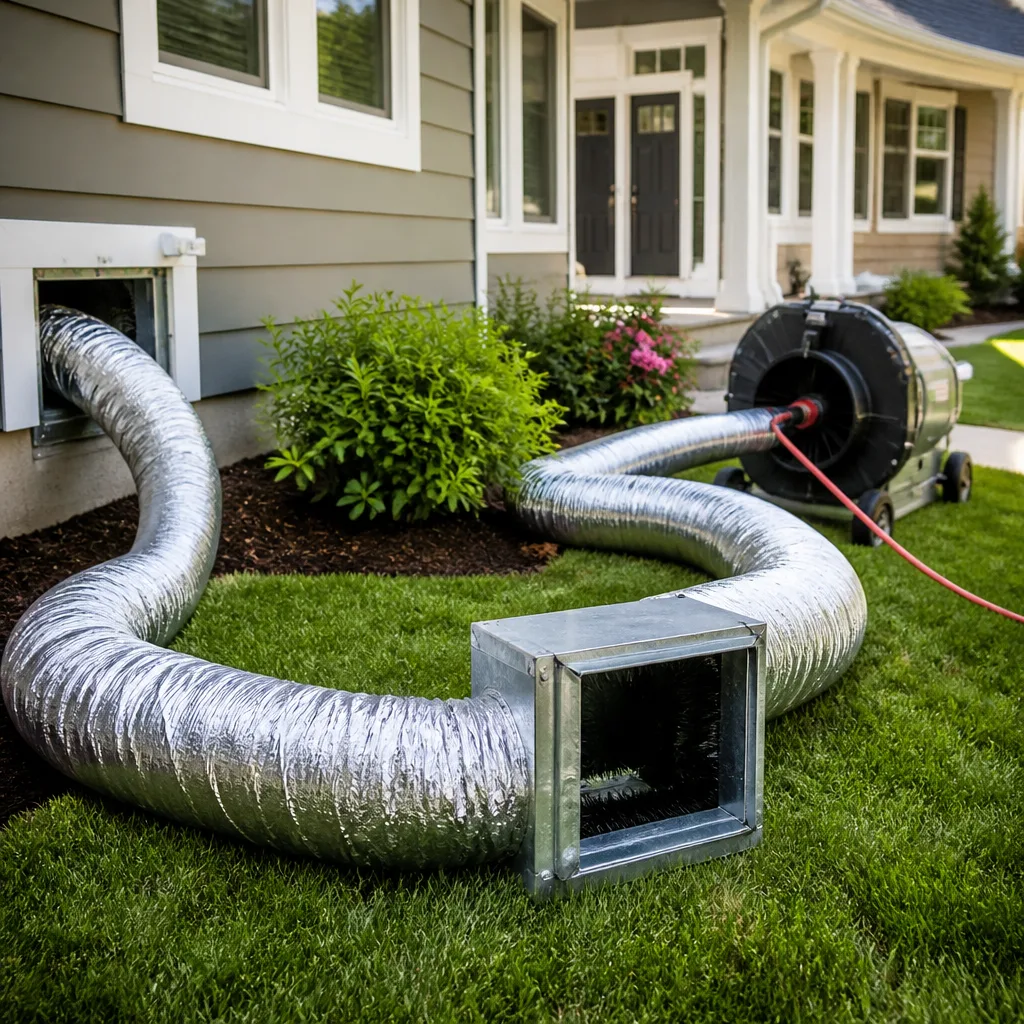 Whole-home duct cleaning
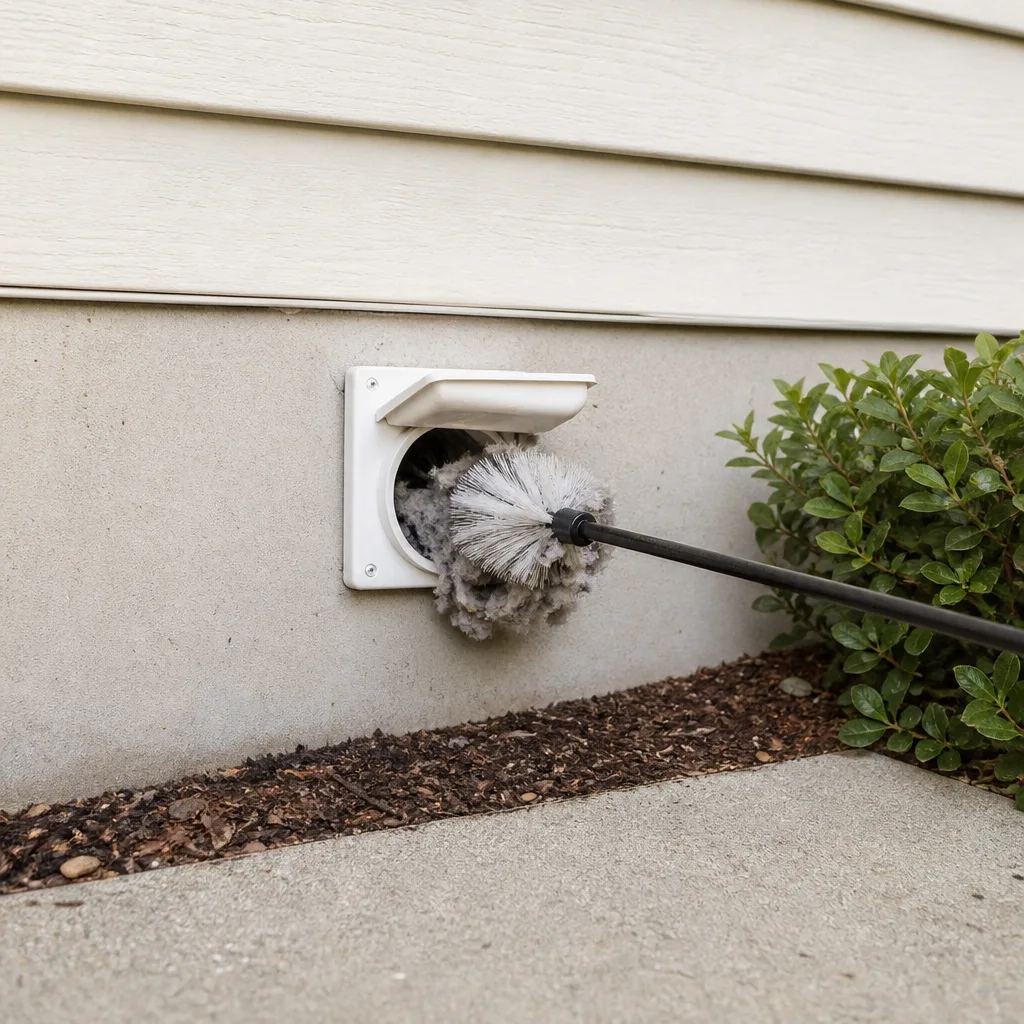 Dryer vent cleaning
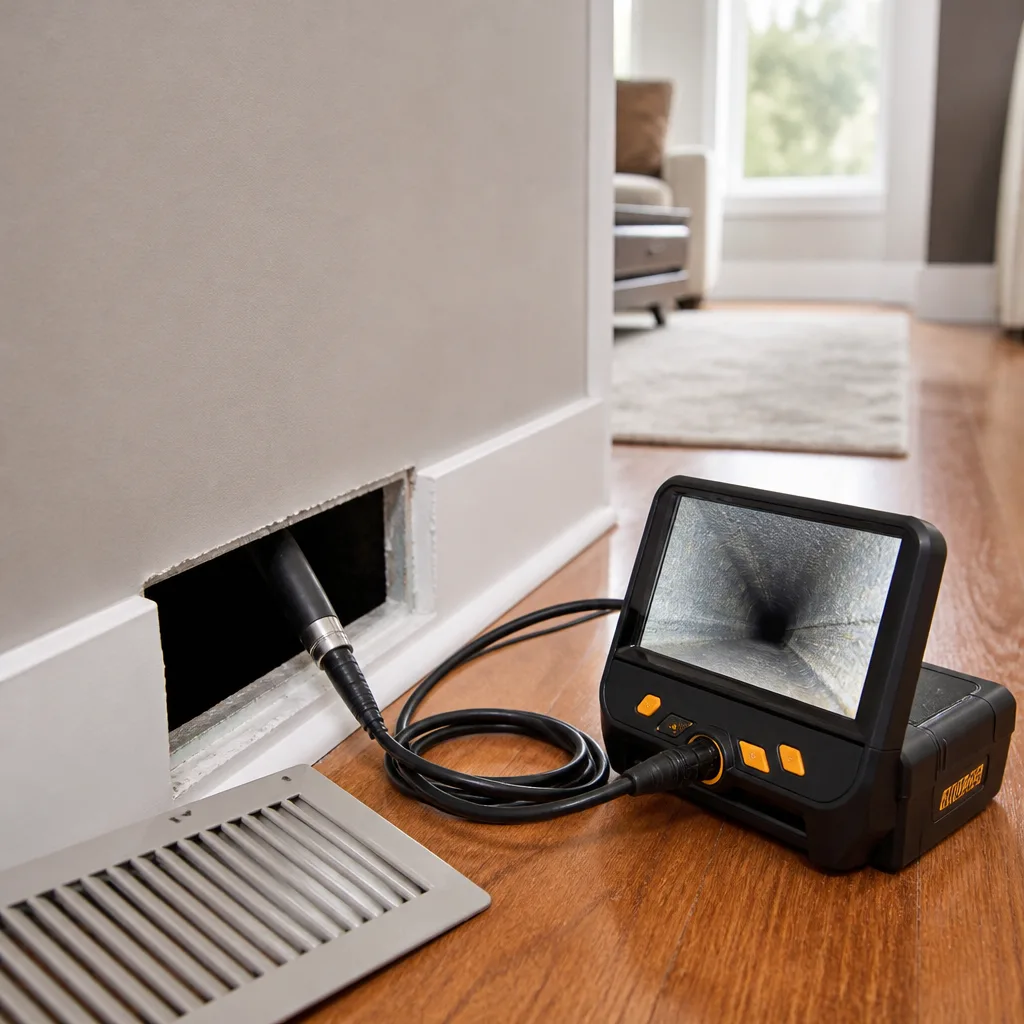 Camera inspection
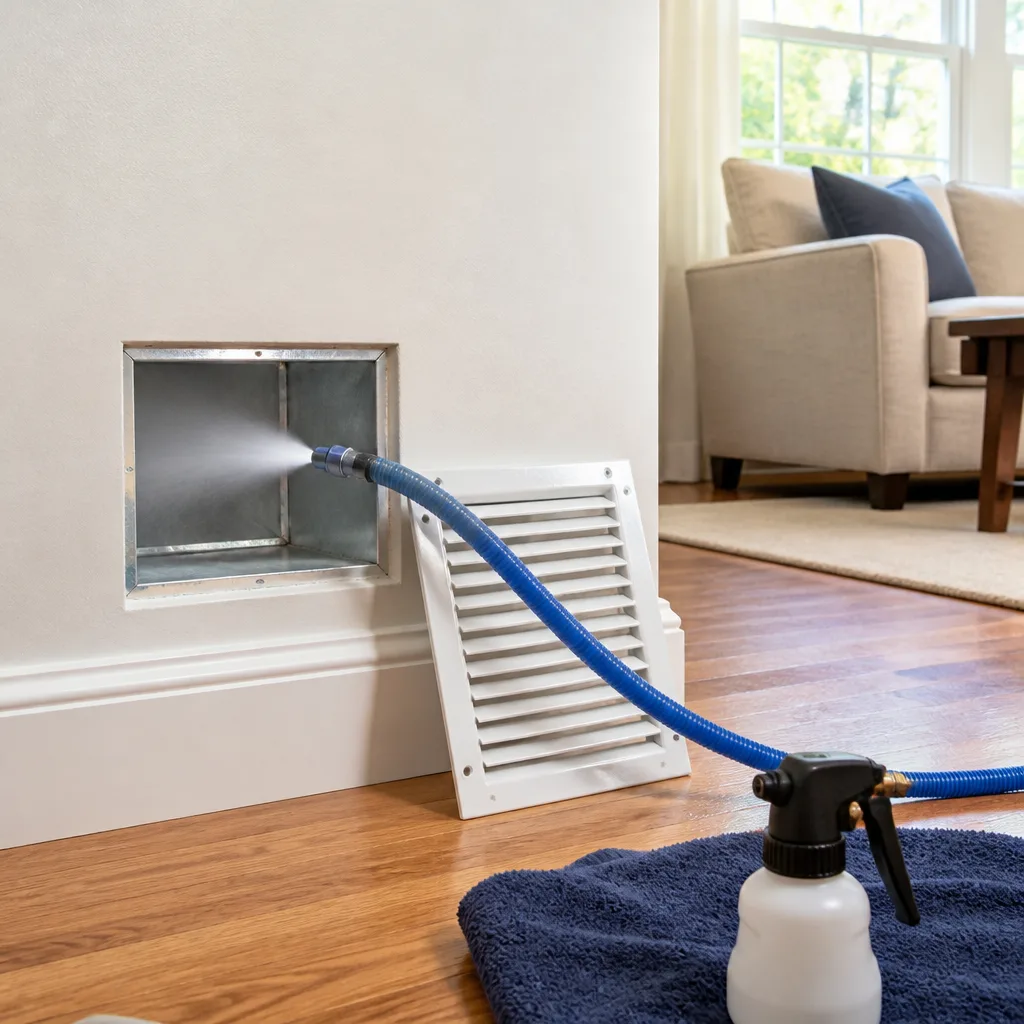 Sanitizing & deodorizing
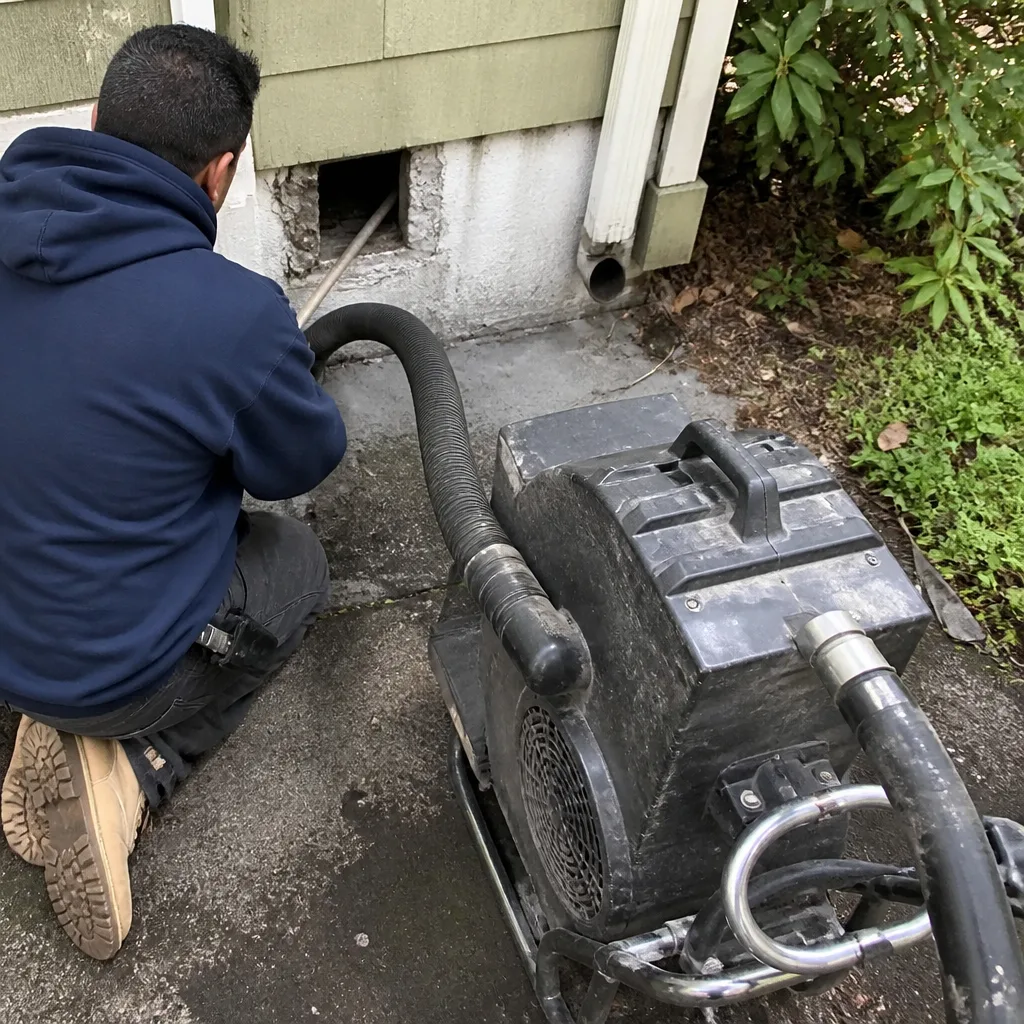
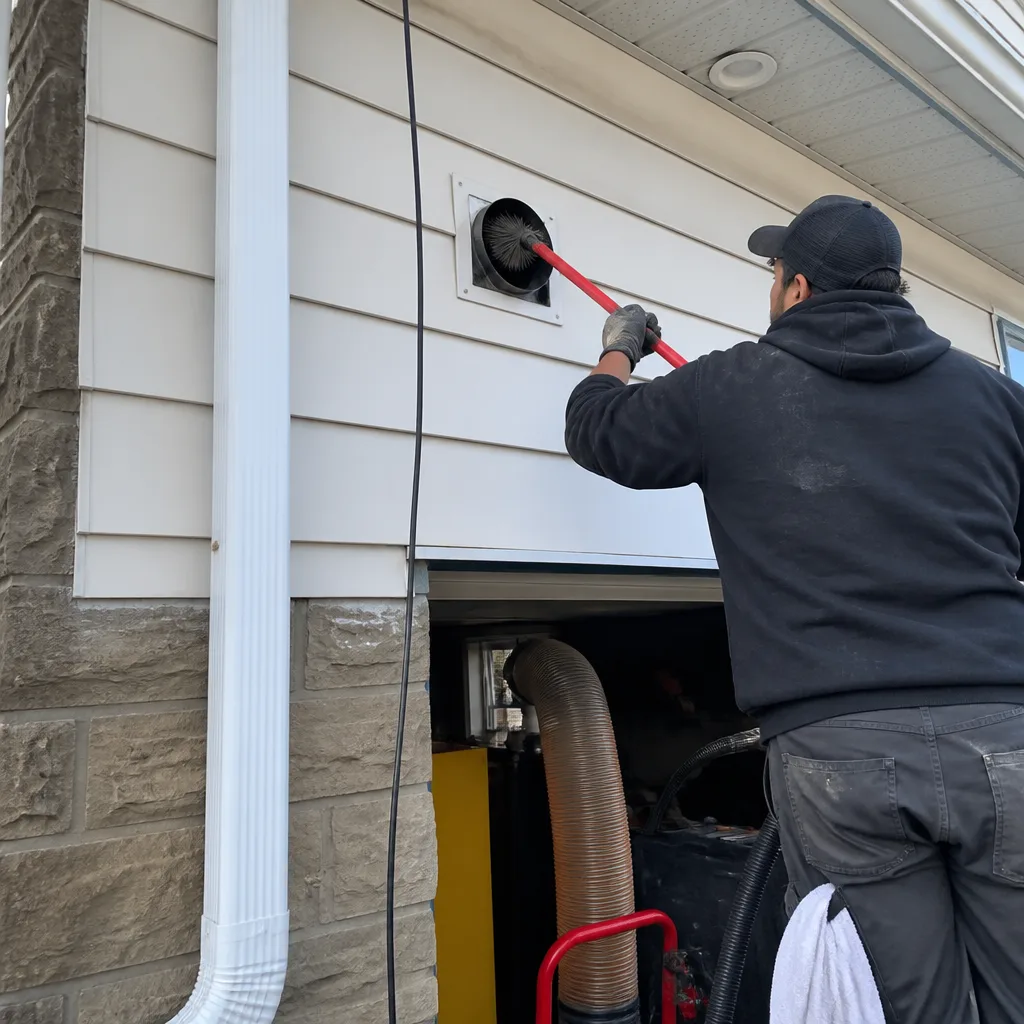
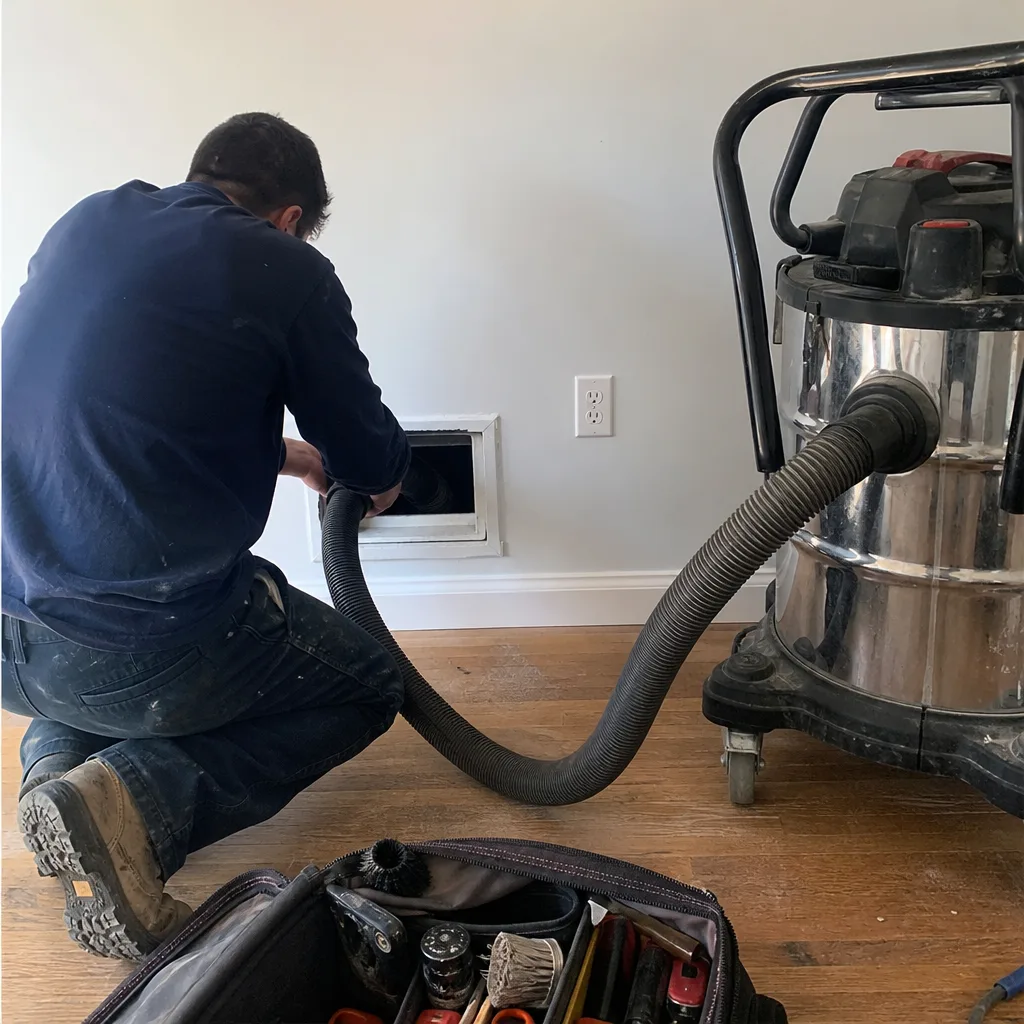
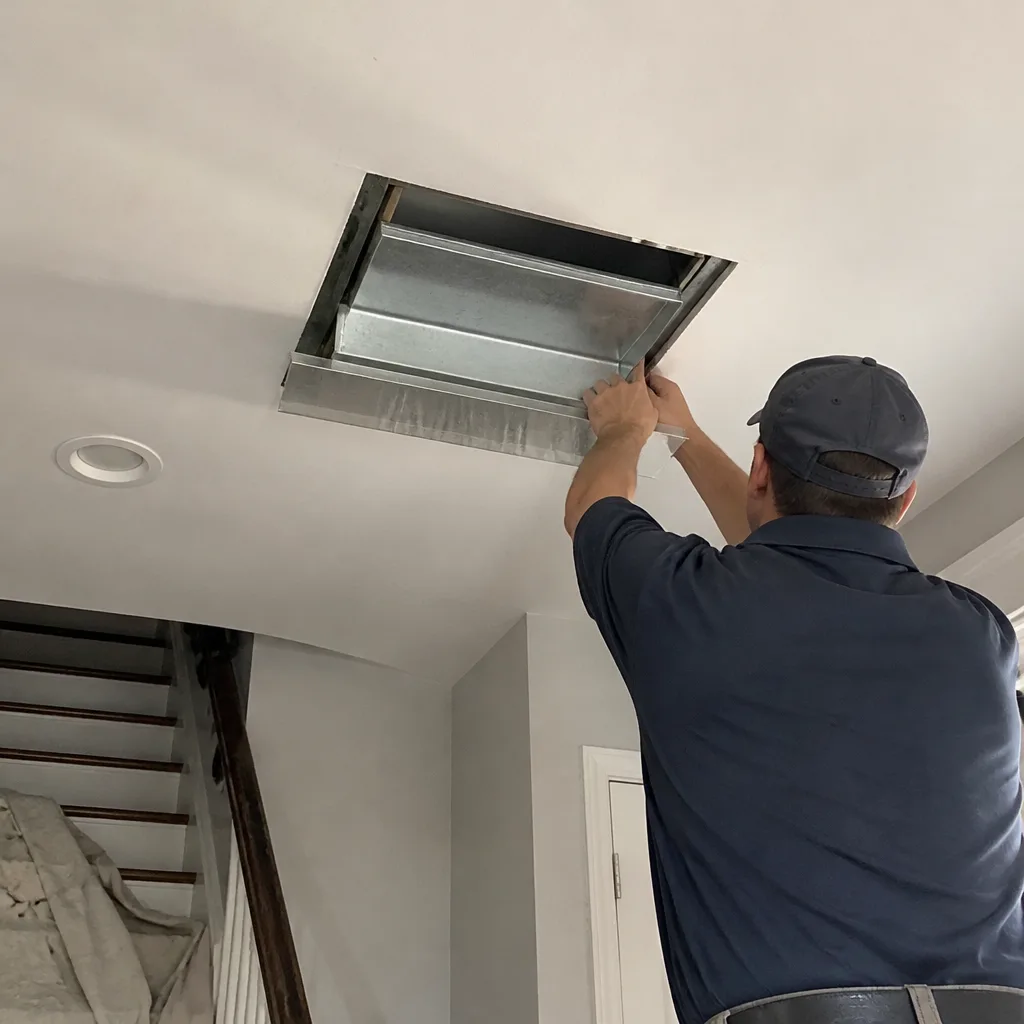
Whole-system duct and dryer vent check with before-and-after photos - you see exactly what came out of your vents
That "$99 whole-house special" is a bait ad - the real number appears once they are in your hallway, or the "clean" is a shop-vac at the register. We photograph the inside of your ducts before and after instead.
Air Duct Cleaning Warning Signs: A Yonkers Homeowner’s Reference Guide
Visible dust on your registers is a late-stage warning sign. By the time you can see it, the restriction in your ducts has been building for months, quietly taxing your furnace and recirculating particles through every room. The earlier signals live in your energy bill, your allergy calendar, and the sounds your HVAC makes at startup. This guide and our companion article on The Complete Guide to Air Duct Cleaning in Yonkers explain what each warning sign actually means mechanically, so you can walk a contractor through your findings and know immediately whether the diagnosis matches. Knowing the difference between a dirty duct and a damaged duct could save you from paying for the wrong service in your Yonkers home.
Quick Answer
The clearest warning signs that your Yonkers home needs Air Duct Cleaning are: visible dust buildup on registers and vents, a 10-15% unexplained increase in heating or cooling costs, allergy symptoms that worsen when your HVAC runs, a musty or burning smell when the system starts, and rattling or whistling sounds from your ductwork. If you notice two or more of these together, your ducts are restricting airflow and recirculating contaminants. Most standard air duct cleanings in Yonkers run $350-$650 for a typical single-family home, and the work usually takes 3-5 hours.
Styles & brands we work with
Table of Contents
- The HVAC Noise Diagnostic: What Your Ducts Are Trying to Tell You
- Energy Bill Pattern Analysis: The Silent Airflow Tax
- Allergy and Respiratory Symptom Mapping: Duct Problem or Outdoor Air?
- Mold Smell vs. Dust Smell vs. Burning Smell: What Each One Means
- Self-Inspection Walkthrough: What to Look For Inside Your Registers
- Common Mistakes to Avoid
- When to Call a Professional
- Frequently Asked Questions
The HVAC Noise Diagnostic: What Your Ducts Are Trying to Tell You
Your ductwork has a vocabulary. Most Yonkers homeowners hear the sounds but never decode them. Here is what each noise pattern indicates, and more importantly, whether a duct cleaner or an HVAC technician is the right call, as explored in our DIY vs Professional Air Duct Cleaning: The Yonkers Homeowner’s Decision Guide.
Rattling: Duct Problem, Usually Correctable by Cleaning
Rattling when your system starts up or runs at full speed typically means debris has accumulated in your duct runs. Loose chunks of drywall from a past renovation, construction screws that fell through a floor register, or compacted dust boulders that broke free from the duct walls. In our experience servicing Yonkers homes, we’ve found everything from children’s toys to a decade of pet hair inside return ducts. The mechanical issue is simple: the debris vibrates against the sheet metal as air rushes past it. This is a cleaning job, not a mechanical failure. Professional-grade equipment from brands like Rotobrush dislodges and extracts this material without you ever needing to replace a duct section.
Whistling or Hissing: Airflow Restriction, Not the Duct Itself
A high-pitched whistle usually points to an airflow bottleneck. Think of it as the same physics as pursing your lips: air moving through a narrowed opening accelerates and creates sound. The restriction can come from a nearly closed damper, a collapsed flexible duct run, or a filter so clogged that the system is starving for air. If the whistle disappears when you remove the filter, that’s your answer. If it persists, the restriction is deeper in the system. A duct inspection can identify collapsed sections, but here is the key distinction: a collapsed duct is a repair job, while a duct coated in years of buildup that narrows the passageway is a cleaning job. A good technician will tell you which one you have before quoting any work.
Thumping or Banging: Mechanical, Call an HVAC Tech First
Thumping at startup is usually not a duct issue at all. It typically indicates a blower motor mount that has loosened, or ductwork that has separated at a connection point and is physically slamming against framing as the system pressurizes. If the thump happens exactly once at startup, it is often the sheet metal flexing as air pressure changes, which is benign and common in Yonkers homes built before modern duct standards. If it repeats, you likely have a piece of ductwork that has come loose. That is when you want an HVAC technician to re-secure the connection first, then have the ducts cleaned while the system is already open.
What most guides won’t tell you: the sequence of sounds matters more than any single sound. A rattle that becomes a whistle over several months tells a story of progressive buildup. That progression is your warning sign, not the noise itself.
Energy Bill Pattern Analysis: The Silent Airflow Tax
A 10-15% unexplained increase in your heating or cooling costs often traces back to airflow restriction in dirty ducts. This is the warning sign most Yonkers homeowners miss because it doesn’t announce itself. It shows up as a line item.
Here is the mechanical chain: your furnace or AC unit is sized for a specific volume of air to move through your ducts each hour. When the inner walls of your ductwork are coated with dust, pet dander, and construction debris, the effective diameter of the duct narrows. Your system compensates by running longer cycles to hit the thermostat’s target temperature. Longer runtime equals more kilowatt-hours and more therms. That is your 10-15%.
To run this analysis on your own bill, compare your current usage against the same month from one or two years ago, not the previous month. Yonkers winters swing hard. January 2023 and January 2024 will not look the same temperature-wise, so you need to account for heating degree days. If your usage climbed while the weather stayed comparable, and you haven’t changed the thermostat settings or added square footage, airflow restriction is a leading suspect.
One distinction worth making: an old furnace doesn’t explain a sudden efficiency drop. A 20-year-old system was inefficient last year too. A change in trend points to a change in condition, and duct restriction is one of the most common changes we see in Yonkers homes, especially after renovations that introduced drywall dust into the return path.
If you want a baseline for your home’s duct condition without spending a dollar, remove one floor register and run your finger along the inside of the duct opening. If you come back with a visible coating of gray fuzz on your fingertip, the restriction is real, and it predates this month’s bill. Our Air Duct Cleaning in Yonkers service includes a full system inspection so you’ll know exactly what’s restricting airflow and what isn’t.
Allergy and Respiratory Symptom Mapping: Duct Problem or Outdoor Air?
The question that confuses every allergy sufferer: are my symptoms worse because of what’s in my ducts, or because ragweed is peaking outdoors? The answer lives in your symptom timing, and it is more specific than “my allergies are bad.”
Track Symptom Onset Against HVAC Runtime
Here is a simple test you can run over one week. Note the time your symptoms begin each day. If your eyes start itching or your nose starts running within 20-30 minutes of your furnace or AC kicking on for the first time in the morning, that is a duct-correlated pattern. Your HVAC system is functioning as a distribution network for whatever has accumulated in your ductwork. Morning is the key window because the system sat overnight, allowing dust and allergens to settle inside the ducts. The first cycle of the day stirs everything loose and pushes it through your registers.
Compare Against Outdoor Air Quality Days
Yonkers sits in a valley pattern that occasionally traps pollen and particulate matter, especially in the summer months. Check your symptoms against local air quality reports on high-pollen or high-PM2.5 days. If your symptoms track with outdoor conditions regardless of whether your HVAC runs, the problem is ambient air, not your ducts. Proper filtration can help in that scenario, but duct cleaning is unlikely to resolve the root cause. What we recommend for Yonkers homeowners is two weeks of symptom journaling. It costs nothing and it prevents you from paying for a service that won’t fix your issue.
When Symptoms Follow You Outdoors
If your symptoms improve within 15 minutes of leaving your home, or worsen specifically when you’re in one room more than others, the source is indoor. It could be ducts, it could be the carpet, it could be a damp basement. But the duct system is the only one of those three that actively distributes the irritant through every room. The pattern of every room being equally bad points hard toward the central air system. The pattern of one room being worse points toward a localized source, which could still be a specific duct run serving that room. A professional inspection can pinpoint which register is delivering the highest particle load.
Mold Smell vs. Dust Smell vs. Burning Smell: What Each One Means
Your nose is the fastest diagnostic tool you own. The challenge is interpreting what you’re smelling, because each odor indicates a different problem and a different urgency level.
Mold Smell: Musty, Earthy, Persistent
A musty, earthy smell that lingers when your HVAC runs indicates moisture inside your ductwork or in the area immediately surrounding it. This is the one to respect. Mold in ducts means there is a water source somewhere: a compromised humidifier, condensation pooling in a low duct run, a roof leak that found its way into the return chase, or a bathroom exhaust venting into the return path rather than outside. The mechanically honest answer is that duct cleaning alone won’t solve a mold problem. You need the moisture source identified and corrected first, then the ducts cleaned with an antimicrobial treatment. If you smell mold in your Yonkers home, schedule an inspection rather than waiting for it to resolve. It won’t. The smell is the notification, not the problem.
Dust Smell: Burning-Lite, Electrical, or Just “Old”
This is the most commonly misread odor, and it typically appears at the start of heating season. The smell of accumulated dust burning off the heat exchanger smells like hot old socks or singed lint. It usually dissipates after the first few heating cycles. If the smell is short-lived in October and doesn’t return, the dust on the system components burned off. If the smell persists through multiple days of heating, the dust reservoir is in your ducts, and every cycle pulls a new batch across the heat exchanger. That is the signal to have the ducts cleaned, not to ignore it until spring.
Burning Smell: Acrid, Plastic, Electrical
A sharp plastic or electrical burning smell is not a duct cleaning issue. Shut the system down at the thermostat and call an HVAC technician. This smell indicates a motor, capacitor, or wiring issue. It will not resolve on its own, and running the system while it’s present risks further damage. The distinction that matters: dust smells like old lint and fades as the system runs. Electrical burning smells acrid and intensifies with runtime. These two are sometimes confused at the start of heating season, but the difference is consequential.
The Unwritten Rule
As a rule of thumb for Yonkers homes of any age: mold smells warrant a same-week inspection, dust smells warrant a scheduled cleaning, and electrical burning smells warrant a same-day HVAC service call. When in doubt, turn the system off and describe the exact smell to a professional over the phone. A good contractor can tell the difference from your description alone.
Self-Inspection Walkthrough: What to Look For Inside Your Registers
Your floor and wall registers are removable for a reason. A 10-minute inspection will tell you more about your duct condition than any online quiz, and it will equip you to describe what you’re seeing to a contractor with precision. Here is the step-by-step walkthrough we recommend for any Yonkers homeowner.
Step 1: Remove the Register Cover
Most register covers lift out vertically or unscrew with two flathead screws. If you have a wall register, it may have a spring clip at the top. Remove it gently and set it aside. Do not drop it into the duct opening; that is a noise problem you do not want to create for yourself.
Step 2: Photograph the Opening Before Touching Anything
Use your phone’s flash. Take three shots: one straight down the duct run, one angled along each side wall. These before-and-after photos are critical. They give you a baseline, and they are the same standards we use at Cardinal Air Duct Yonkers, where every job includes before-and-after photo documentation. If you can see more than one foot of duct, you have a visual record. If the duct curves immediately, you’ll still capture the opening condition, which is the highest-traffic area of the entire run.
Step 3: The Finger Test
Run your index finger along the inside wall of the duct opening. Heavy buildup feels fuzzy or greasy and comes off on your skin. Light dust feels powdery and thin. The fuzzier and darker the deposit, the more organic matter is in the mix, which means pet dander, skin cells, and dust mite material. That is the stuff your allergies respond to.
Step 4: Look for Moisture Stains or Rust
Shine your phone’s flashlight into the duct and look at the sheet metal seams. Rusty streaks or water stains indicate condensation or a leak. Any sign of moisture means you should have a professional inspect before scheduling a standard cleaning, because it changes the nature of the work. Water damaged duct interiors are a different cleanup than dusty duct interiors.
Step 5: Check the Filter Cabinet While You’re at It
The return path is where most dirt enters your ducts. Remove your filter and look at the dark side, the side facing the system. If it’s fully coated with a felt-like layer, your ducts have been running unfiltered or under-filtered. That contamination didn’t stop at the filter. It distributed into the system. High-MERV filtration products from brands like Aprilaire can help prevent recurrence after a proper cleaning, especially in Yonkers homes with pets or multiple occupants.
How to Describe What You See
When you call a contractor, describe it like this: “I removed the register in the living room. The first foot of duct has a gray fuzzy coating, about a quarter-inch thick in spots, and there’s a half-inch layer of debris sitting at the bottom of the run.” That is a precise, actionable description. Contrast that with “my ducts are dirty.” One of those sentences tells the contractor exactly what equipment and time they’ll need. The other is a guess. Precision gets you a more accurate quote, and it tells the contractor you’re not a homeowner who can be upsold into services you don’t need.
Our Cardinal Air Duct Yonkers home guide walks through the full scope of what professional-grade cleaning covers, including the difference between brush agitation and negative-pressure extraction.
Common Mistakes to Avoid
- Waiting until you can see dust on the registers. By the time dust is visible on the outside of the register, the inside of the duct is coated. This is the late-stage signal, not the early warning. The early warning is the energy bill you’ve been ignoring.
- Confusing a dust smell for an electrical problem at the start of heating season. If the smell fades after a few cycles, it’s dust burning off. If it intensifies with runtime, it’s electrical. Learn the difference before you call, because it determines who you call and how urgently.
- Having your ducts cleaned without first identifying why they got dirty so fast. If you have a leaking return duct pulling attic insulation into the system, cleaning alone buys you a year at best. Fix the pathway first, then clean. A contractor who jumps straight to cleaning without asking about the source is selling you a recurring appointment.
- Paying for mold remediation when the real problem is a water leak. Mold in ducts is a symptom. The moisture source is the disease. Clean the ducts, sure, but find and fix the leak or the mold returns. This is the most common homeowner mistake we see repeated in Yonkers homes with older roof and chimney flashing.
- Using a standard fiberglass filter and thinking it’s protecting your ducts. The $2 filter catches large debris and sends everything else through. It protects the furnace coil, not the occupant. A mid-range MERV filter matched to your system’s static pressure rating does more for duct cleanliness than any filter that chokes off airflow.
- Assuming a noisy duct means the system is failing. Most rattling and whistling is correctable with cleaning and minor adjustments. The catastrophic failures announce themselves with different sounds. Before you approve a $3,000 repair estimate, get a duct inspection. The fix might be a $120 cleaning rather than a component replacement.
- Going with the cheapest quote without asking what equipment they run. A truck-mounted shop vac is not a professional air duct cleaning system. Negative-pressure extraction means the loosened debris goes straight into the HEPA-filtered vacuum, not back into your living room. Equipment quality is the difference between a thorough cleaning and a $99 air disturbance.
When to Call a Professional
Call a professional when the warning signs cluster. One sign alone might be ambiguous. Two or three together form a pattern that deserves a diagnosis. Specifically: if you have visible register buildup plus a musty smell plus an unexplained energy increase, you are not guessing anymore. If you removed a register and found more than light dust, or if you’ve lived in your Yonkers home for 3+ years without ever having the ducts cleaned, it’s time. If you’re planning a renovation, schedule duct cleaning after the drywall work is done, not before. Cardinal Air Duct Yonkers offers free estimates in Yonkers. Call (914) 613-6563 and Omar or a member of the team will walk you through what you’re seeing and what it means, with a written price before any work begins.
Frequently Asked Questions
Most standard air duct cleanings in Yonkers run $350-$650 for a typical single-family home with one furnace and 10-15 registers. The final price depends on the number of systems, the accessibility of your duct runs, and the level of contamination. When you call us, you get a written price before any work starts, and that price does not change at the door. Call (914) 613-6563 for a free estimate.
Cheaper quotes usually come from contractors using less effective equipment, doing fewer services, or baiting with a low initial price that increases once they inspect the system. The equipment difference is real: negative-pressure extraction from brands like Nikro and Abatement Technologies pulls debris directly out of your home, while a basic vacuum can redistribute it. The honest price for professional-grade cleaning is well above a $99 special. When you compare quotes, ask what equipment they run and what the written price includes.
Ask for before-and-after photo documentation. At Cardinal Air Duct Yonkers, every job includes before-and-after photos as part of The Relay Standard, so you can see the duct interior condition before and after the cleaning. You should also be able to see the debris the system extracted. If a contractor can’t or won’t show you evidence of the work, that’s a red flag. Call (914) 613-6563 to schedule a cleaning with full photo documentation.
Every 3-5 years is the honest answer for most Yonkers homes. Homes with multiple pets, recent renovations, or household members with allergies may need it every 2-3 years. Homes with minimal carpet, high-quality filtration, and no pets can sometimes stretch to 5-7 years. The single biggest variable is the condition of your return path and what your filter actually catches. If you walk into a home that has never been duct cleaned in 20 years, the first cleaning is the heavy one. After that, maintenance intervals matter.
Yes, and this is common. Duct contamination isn’t always visible at the register. Fine particles and allergen proteins travel through the air stream without ever accumulating visibly. If your symptoms track with HVAC runtime rather than outdoor air quality, your ducts are a suspect regardless of what you see. The symptom-mapping approach in this guide exists specifically because visual confirmation is not reliable.
After, always after. Drywall dust, sawdust, and construction debris will coat every surface including the inside of your ducts. If you clean before a renovation, you’ll pay again after. Schedule the duct cleaning once the drywall sanding and floor work are complete but before you move furniture back in. In Yonkers homes where the original ductwork is being preserved during a renovation, the post-renovation duct cleaning is the one that matters most.
Air duct cleaning addresses the ductwork: the supply and return runs, registers, and plenums. HVAC cleaning includes the mechanical components: the blower motor, evaporator coil, drain pan, and heat exchanger. Think of it as the difference between cleaning the pipes and cleaning the pump. Both are important, but they’re distinct services. Our HVAC Cleaning in Yonkers service covers the mechanical side, and the Air Duct Cleaning in Yonkers service covers the distribution side. A homeowner with dirty ducts and a clean coil will still circulate dirty air. A homeowner with clean ducts and a dirty coil will still lose efficiency. The two services work together.
You can vacuum the first foot of reachable duct interior through your registers, and that helps marginally. What you can’t do is clean the full run length of every duct, the return trunk, and the plenums without professional-grade equipment. The ducts in a Yonkers home twist, branch, and travel through walls and floors. A shop vacuum with a long hose cleans the first few feet and leaves everything else untouched. If you’re going to pay for a service, the machinery matters. A full-system cleaning from Dryer Vent Cleaning in Yonkers to supply registers requires rotary brush agitation and negative-pressure extraction, which is commercial equipment, not residential improvisation.
The Bottom Line
Your ducts will not announce their condition with a single unmistakable signal. They will whisper through energy bill changes, allergy timing patterns, and startup noises that are easy to attribute to other things. The skill of reading these warning signs is a matter of mechanics: restricted airflow costs you money, accumulated dust recirculates through your living space, and moisture becomes mold if left alone. You now know the difference between a dust smell and an electrical one, between a rattling duct and a loose blower mount, and between a dirty duct and a damaged duct. That knowledge protects you from buying the wrong service, and you can explore more guides & resources on our blog. If you see yourself in two or more of the warning signs above, call Cardinal Air Duct Yonkers at (914) 613-6563 for a free estimate, a written price, and a professional diagnosis from someone who will show you the before-and-after proof.
Written by Omar Haddad, Owner at Cardinal Air Duct Yonkers, serving Yonkers since 2005.
See the difference
 Before
 After
After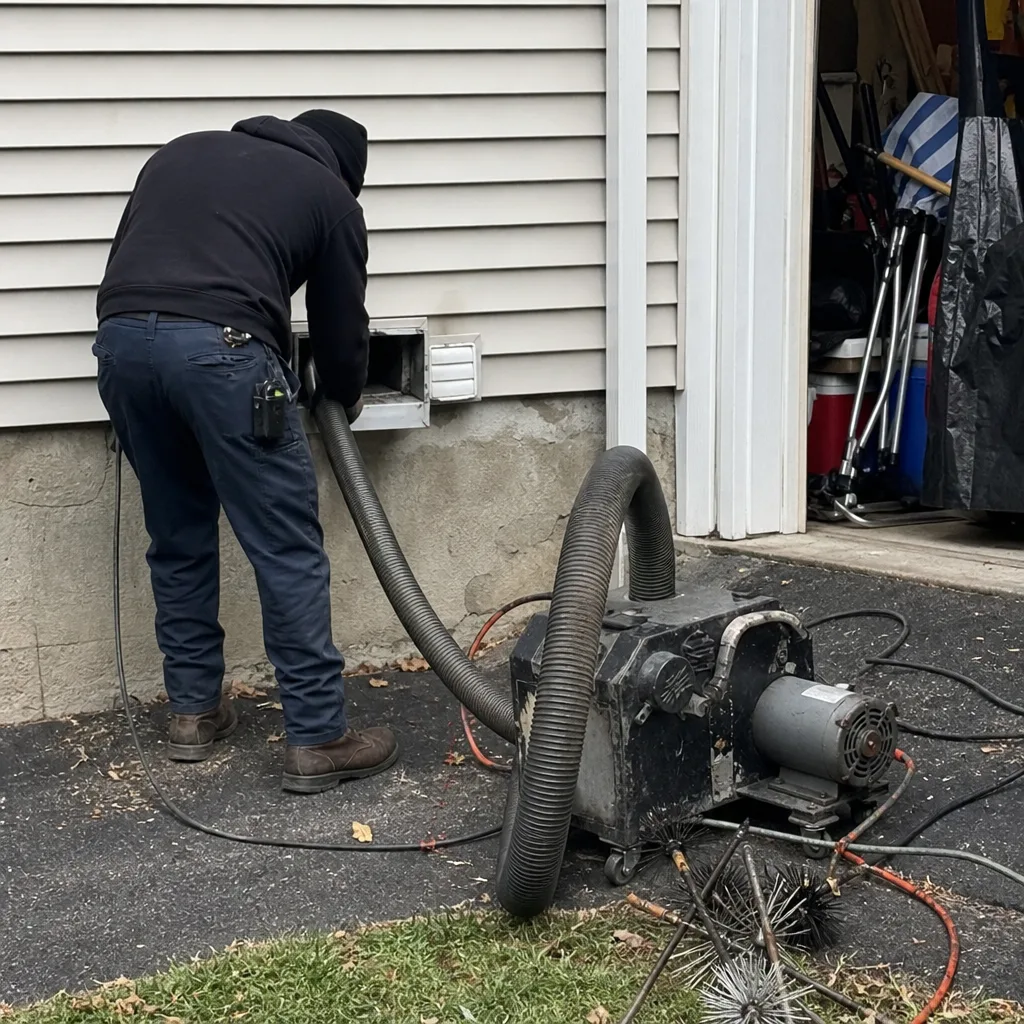 Before
 After
After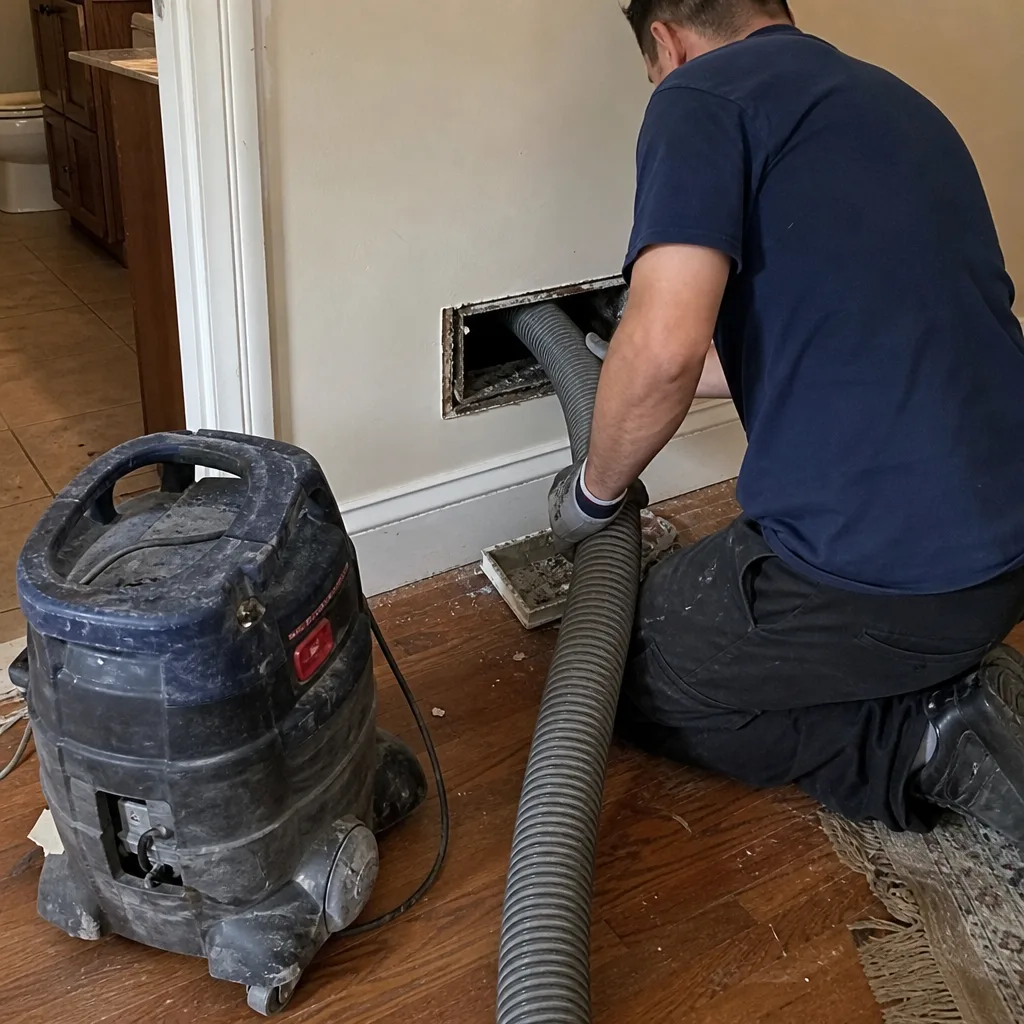 Before
 After
After