
Last updated October 15, 2026
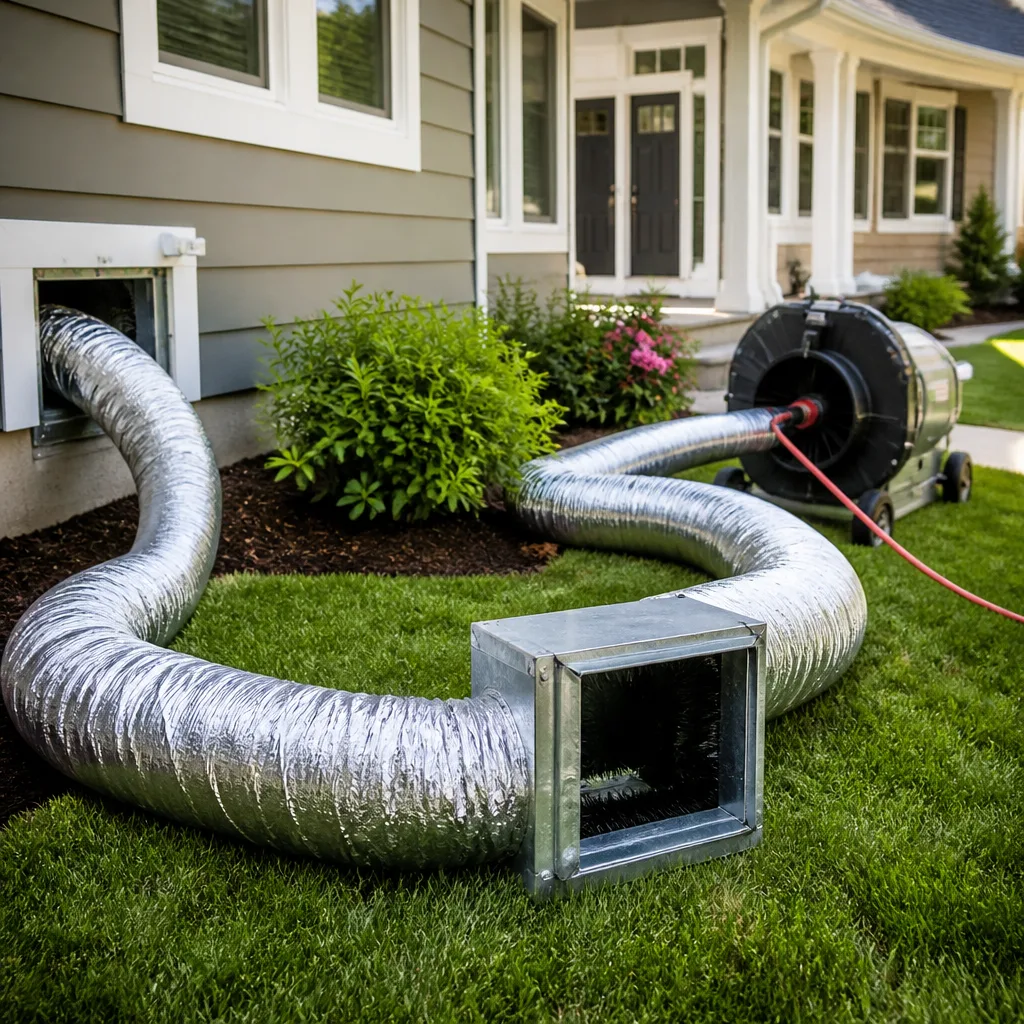 Whole-home duct cleaning
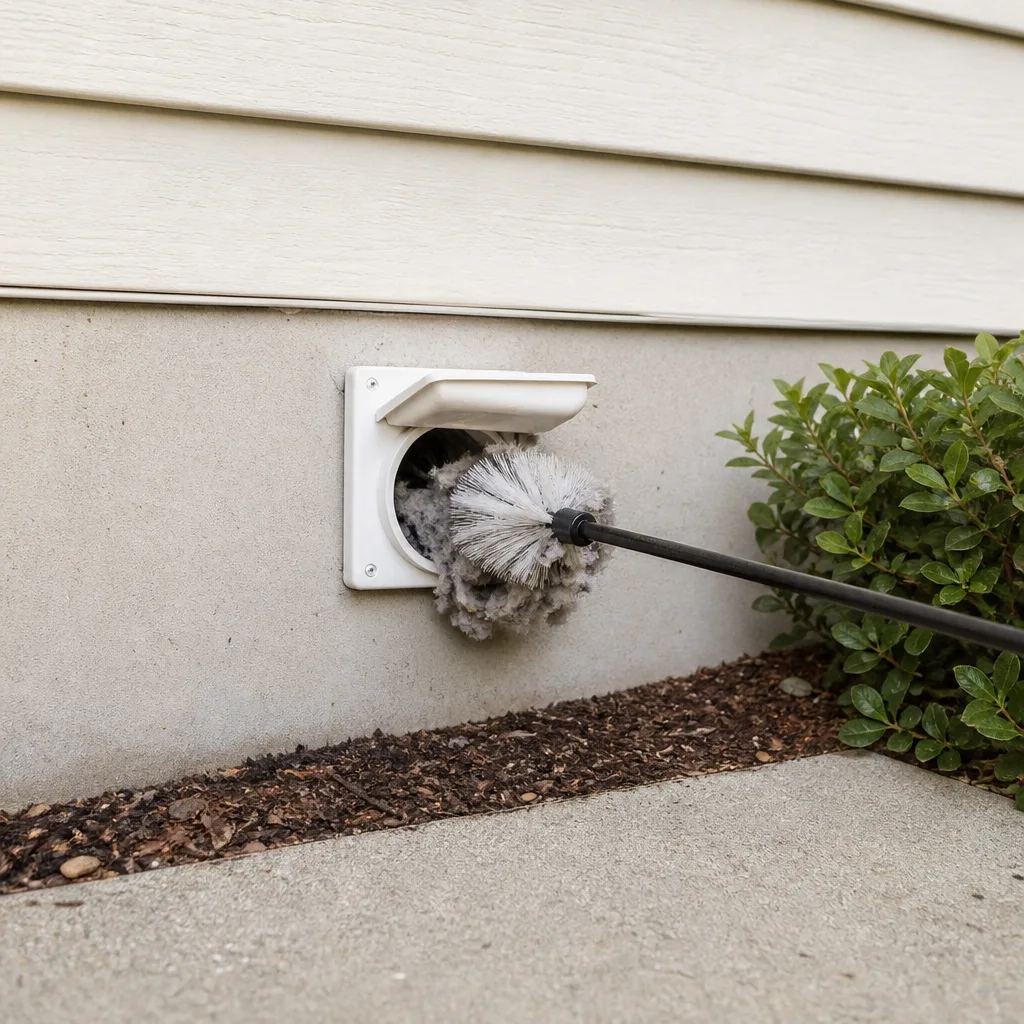 Dryer vent cleaning
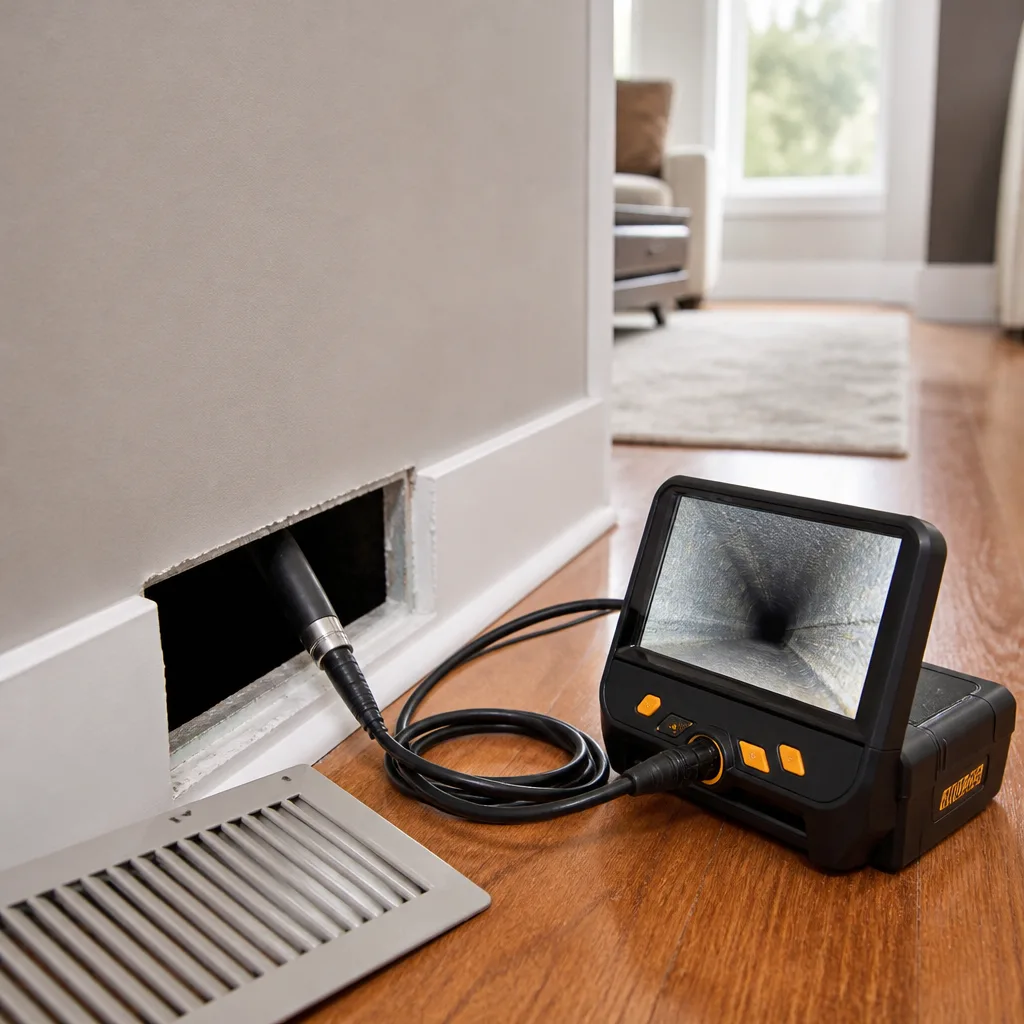 Camera inspection
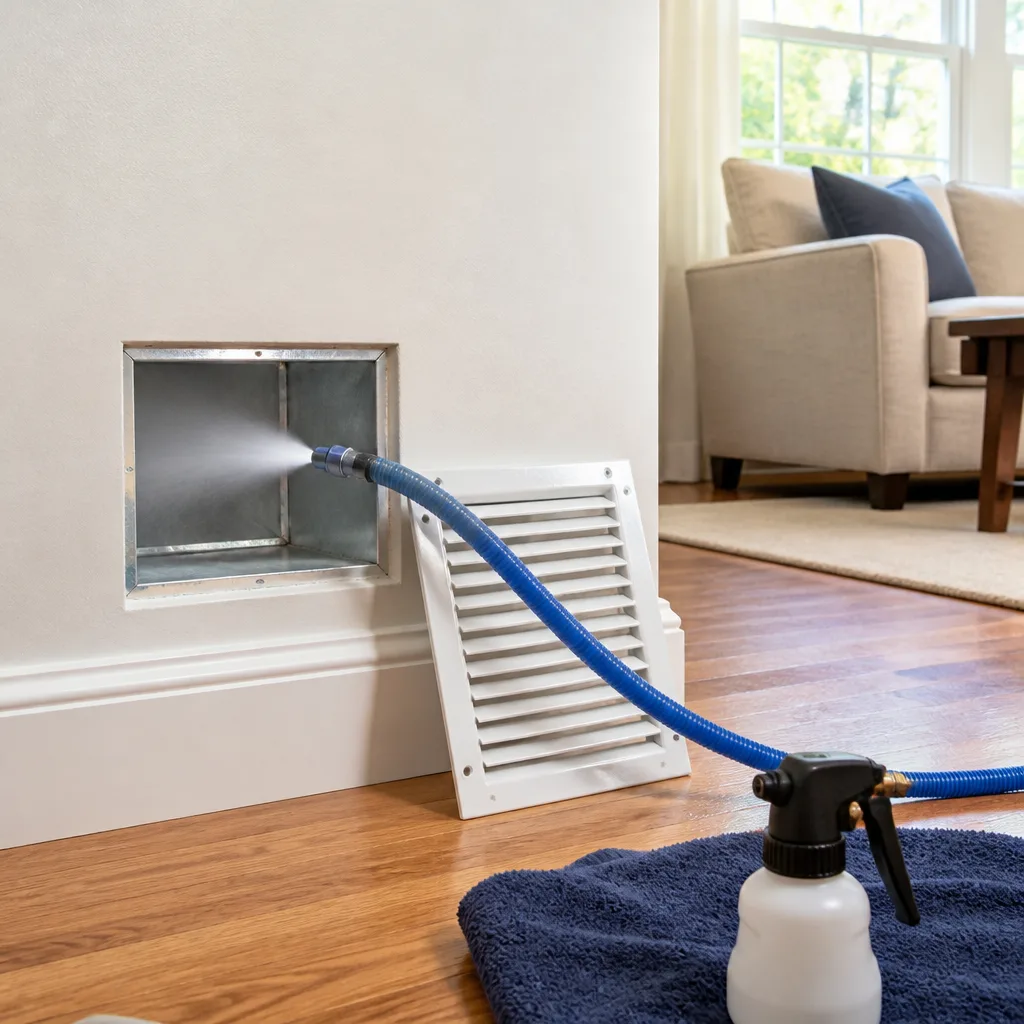 Sanitizing & deodorizing
Whole-system duct and dryer vent check with before-and-after photos - you see exactly what came out of your vents
That "$99 whole-house special" is a bait ad - the real number appears once they are in your hallway, or the "clean" is a shop-vac at the register. We photograph the inside of your ducts before and after instead.
Air Duct Cleaning Permits, Codes & Inspections in NY: What You Need to Know
Here’s a fact that surprises most Yonkers homeowners: the actual act of cleaning your air ducts requires zero permits anywhere in New York State. No filing, no inspection, no sign-off from the City of Yonkers Building Department. But the moment someone opens your HVAC cabinet to access the coils, cuts into a duct run, replaces a section of plenum, or discovers mold and recommends remediation, you’ve crossed from “cleaning” into “alteration” – and that’s a different legal animal entirely. What follows is a straight-line walk through what needs a permit, what doesn’t, and where Westchester homeowners get burned most often, especially after renovations or during home sales. For a deeper look at when to schedule service, see Air Duct Cleaning Warning Signs: A Yonkers Homeowner’s Reference Guide.
Quick Answer
Air duct cleaning itself does not require a permit, license, or inspection anywhere in New York State – it’s considered routine maintenance under the NYS Mechanical Code. However, any physical alteration to the duct system (replacing, rerouting, or cutting ducts), any service that involves mold remediation, and certain post-renovation scenarios can trigger permit requirements or require a licensed mold professional. In Yonkers specifically, unpermitted duct alterations discovered during a home sale or insurance claim can become a homeowner liability. So the rule is simple: cleaning, no permit. Alteration, permit. Mold, licensed assessor or remediator.
Styles & brands we work with
Table of Contents
- Cleaning vs. Alteration: Where the NYS Mechanical Code Draws the Line
- When Mold Remediation Enters the Duct Cleaning Job
- Yonkers-Specific: How the Building Department Handles Unlicensed HVAC Work
- Post-Construction Duct Cleaning in Westchester: Who Is Responsible for What
- Documenting a Professional Duct Cleaning for Insurance Claims
- Common Mistakes to Avoid
- Frequently Asked Questions
Cleaning vs. Alteration: Where the NYS Mechanical Code Draws the Line
The New York State Mechanical Code, which governs HVAC work in Yonkers and throughout Westchester County, distinguishes between what it calls “maintenance” and “alteration.” The distinction hinges on whether a person is restoring existing equipment to its original condition – or changing, adding to, or removing part of the system. Let’s break both terms down in plain language.
Cleaning (Maintenance) – No Permit Required. A standard air duct cleaning involves accessing the registers or return grilles, inserting a rotary brush or agitation tool, and running a negative-pressure extraction unit (that means the loosened debris goes straight into a HEPA-filtered vacuum, not back into your living room). The work does not modify the physical structure of the duct system. No permit, no license, no inspection. Professional duct cleaners in Yonkers do this every day using equipment like Rotobrush rotary brush systems paired with Nikro HEPA-rated vacuums, and the City of Yonkers does not require a permit for it. If you’re ready to schedule, explore our Air Duct Cleaning services.
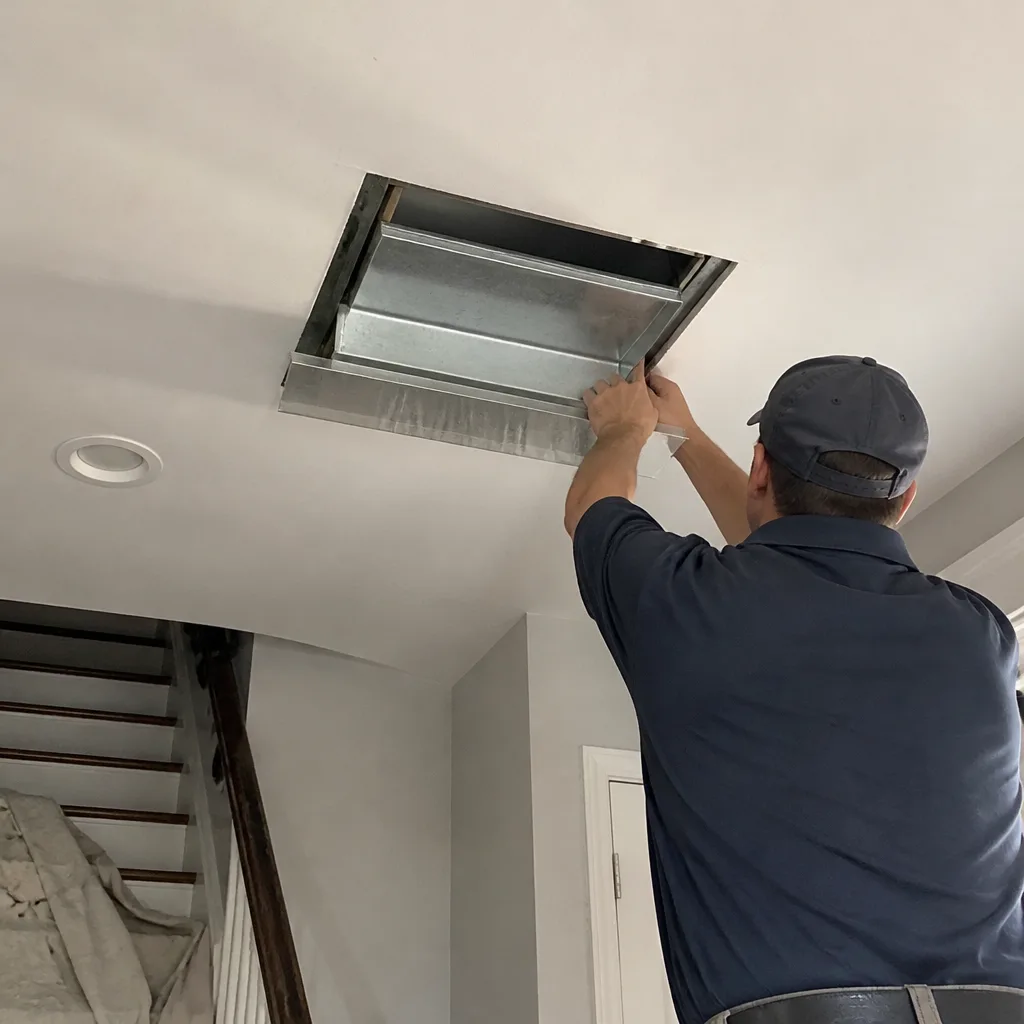
Alteration – Permit Required. A permit is required under NYS Mechanical Code Section 106 the moment the service involves any of the following: cutting into a duct to create a new access panel, replacing a section of damaged ductwork, rerouting a supply run during a kitchen remodel, adding a new register to an existing trunk line, replacing the plenum (the box that sits atop the furnace and distributes air into the ducts), or installing a new return air drop. In each case, the physical configuration of the air distribution system changes, and that triggers a permit application through the City of Yonkers Building Department. The permit must be pulled by a licensed mechanical contractor or the homeowner, and the work must pass a final inspection.
The gray zone that catches homeowners: access panels. In our experience throughout Yonkers – from Park Hill to Lincoln Park – one scenario trips people up more than any other. A homeowner calls for a cleaning, the technician discovers a section of duct that can’t be reached without cutting an access panel, and the homeowner authorizes the cut. That cut is technically an alteration. If the technician is not a licensed mechanical contractor, and if no permit was pulled, that access panel becomes an unpermitted modification. When the home goes up for sale a year later, a sharp home inspector may flag it, and the seller is now negotiating a repair credit or retroactive permit.
What This Means for Your Service Call
When you schedule an air duct cleaning in Yonkers, the technician should inspect the system first and tell you plainly: “This is a cleaning job, no permit needed” or “You have a section of duct that’s crushed/disconnected/undersized, and fixing it requires a permit.” Air duct cleaning in Yonkers from a transparent company will never quietly cross that line without telling you. The permit distinction is not bureaucratic nitpicking. It exists because altered ductwork affects air balance, static pressure, and – in some cases – fire spread ratings. The City of Yonkers enforces this because a badly modified return plenum can depressurize a combustion appliance zone and pull carbon monoxide back into the house.
When Mold Remediation Enters the Duct Cleaning Job
New York State draws a hard regulatory line between cleaning and mold remediation – and that line matters because mold work is governed not by the Mechanical Code but by the New York State Department of Labor (NYS DOL) under Article 32 of the Labor Law. Here’s the distinction that most homeowners in Yonkers don’t know: a duct cleaner may notice mold on a register, inside a duct, or on the evaporator coil. What they may NOT do is remediate it – not legally, not without a mold remediation license.
What “noticing mold” means during a duct cleaning. Suppose a technician is running a camera through a return duct in a Dunwoodie home and sees visible mold growth on the interior duct lining. At that point, the cleaning alone does not solve the problem. In fact, agitating moldy surfaces with a rotary brush can aerosolize mold spores into the living space if proper containment isn’t in place. That’s why NYS DOL regulations require that any assessment of a mold condition over 10 square feet must be performed by a licensed mold assessor – an independent third party who does not do the remediation themselves. The assessor writes a remediation protocol. Then a licensed mold remediator performs the work, typically with Abatement Technologies-style containment and negative air pressure. Then, and only then, does the duct cleaner come back to clean the ductwork itself.
The 10-square-foot threshold. For mold under 10 square feet, a property owner can clean it themselves or hire a contractor without a mold license. But inside ductwork, the geometry matters. Mold inside a 6-inch supply duct that runs 25 feet may cover less than 10 square feet of surface, but it’s inaccessible and requires disturbing the HVAC system. NYS DOL guidance tends to treat duct-distributed contamination as a potential airborne concern, and many remediators will tell you plainly that any visible mold inside the air handling system should be evaluated by a licensed assessor before the system is cleaned. The conservative, insurance-friendly move in Yonkers is to document the condition, pause the cleaning, and get the assessment.
How this intersects with the 365-Day Done Right Promise. A company that stands behind its work for a full year will not quietly “clean around” a mold problem. It will flag it. That’s the standard we hold ourselves to in Yonkers, and it protects the homeowner from a situation where a cleaning spreads spores and potentially creates a liability. If you suspect mold or see visible growth on registers, in the return plenum, or around the coil, raise it before the cleaning starts.
Yonkers-Specific: How the Building Department Handles Unlicensed HVAC Work
The City of Yonkers Building Department – located in the same building as City Hall on South Broadway – handles complaints about unlicensed and unpermitted HVAC work through its inspections division. Homeowners who are used to other municipalities may not realize how proactive Yonkers can be when a complaint is filed. The most common trigger is a disgruntled neighbor or a utility worker who notices an obvious code violation. The second most common trigger is a home sale.
The home sale discovery scenario. When a Yonkers home goes under contract, the buyer’s home inspector walks the property. If the inspector sees what appears to be newer ductwork, a relocated return, or a modified furnace cabinet, the inspector will often request copies of permits. If no permits exist, the issue lands on the seller’s lap during the negotiation. In a strong buyer’s market, that translates to a price concession. In a strong seller’s market, it still translates to a disclosure headache. The seller now has two choices: pull a retroactive permit (which means opening walls or ducts to prove the work is code-compliant) or issue a closing credit so the buyer assumes the risk. Neither is free.
What the homeowner’s actual liability looks like. Under Yonkers City Code, performing HVAC alterations without a permit is a violation. In practice, the Building Department’s enforcement tends to be event-driven – meaning they don’t go door to door looking for unpermitted ductwork, but they do respond to complaints and to the paper trail that emerges during a sale or insurance claim. If a violation is confirmed, the property owner is responsible for correcting it. That often means hiring a licensed mechanical contractor to inspect the work, make necessary corrections, and pull the proper permit – not a cheap process, but far cheaper than discovering it three days before closing.
How to verify a contractor in Yonkers. Any mechanical contractor doing permit-required HVAC work in Yonkers must hold a home improvement contractor license from the Westchester County Department of Consumer Protection. You can verify a license by asking for the license number and checking it with the county – and you should, because the county maintains a searchable list of licensed contractors. A lack of license is not always a sign of bad workmanship, but it is a sign that the contractor cannot legally pull a permit in Yonkers. That matters the moment the words “replace” or “reroute” enter the conversation.
Post-Construction Duct Cleaning in Westchester: Who Is Responsible for What
Westchester County has a lot of older housing stock, and Yonkers is no exception. Renovations are constant. When drywall dust, sawdust, and construction debris settle into a newly finished home’s ductwork, a post-construction duct cleaning is usually part of the punch list. But the responsibility split between general contractor and homeowner is less clean than people assume.
- The general contractor’s responsibility ends at the system’s protection. Under standard Westchester construction practice and the NYS Mechanical Code, a general contractor is responsible for protecting ductwork from contamination during the renovation. That means sealing registers, covering open duct ends, and running the system only with proper filtration – not letting the HVAC run passively while drywall dust floats through the returns. If the GC failed to seal a return during demolition and the system sucked in powdered drywall compound, the GC bears responsibility for correcting it, including the cost of a professional cleaning and new filters, possibly even new media filters from brands like Aprilaire.
- The homeowner’s responsibility often surfaces after the final cleaning. Most GCs will arrange a post-renovation duct cleaning and include it in the contract. Here’s the gap we see repeatedly in Yonkers: the GC schedules a cleaning, the cleaning company arrives with a negative-pressure extraction unit but no containment protocol, and the cleaning does not include the evaporator coil or the blower wheel. The system looks fine at first, but within six months the homeowner is dealing with reduced airflow and musty smells. The lesson: put the duct cleaning requirement in writing, define the scope, and ask for before-and-after photos.
- What falls outside the general contractor’s job. If a renovation in Yonkers requires moving a supply duct because a wall is being removed, that’s an alteration. The permit is pulled by the GC or the mechanical subcontractor, the work is inspected, and the final cleaning addresses any construction residue. But if the homeowner later notices the system isn’t balanced – one room is cold, one room is stuffy – that’s a balancing or duct-design issue, not a cleaning issue. It may require a licensed mechanical contractor and potentially another permit if the fix involves resizing ductwork.
The documentation step that protects you. After any post-construction duct cleaning in Westchester, request a written report of what was cleaned, what was found, and what was not addressed. If the home is a recent purchase with a renovation warranty, that report becomes evidence if a dispute arises. Better yet, a company that operates on The Relay Standard – live arrival tracking, before-and-after photos, a written price before work begins – gives you a digital paper trail from the start.
Documenting a Professional Duct Cleaning for Insurance Claims
Insurance companies do not love paying for duct cleanings, but they will reimburse for one in specific circumstances: water damage that soaked the duct insulation, smoke damage from a fire, or post-loss contamination from a sewage backup. The key to getting the claim approved is documentation – and most homeowners in Yonkers wait until after the cleaning to think about what the insurer will want. By then it’s too late to photograph the before state.
What insurers actually want:
- Pre-cleaning photos. Before any work begins, the insurer wants to see the condition of the duct interior: water stains on the insulation, soot streaks, visible debris. If the cleaning company does not provide pre-cleaning photos, the claim becomes harder to prove.
- A written scope of work. What exactly was cleaned: all supply ducts, return ducts, the plenum, the evaporator coil, the blower wheel, the registers. Insurers look for line-item detail, not “system cleaned.”
- The equipment used. A claim for smoke or water damage carries more weight if the cleaning was performed with professional-grade equipment – a Nikro HEPA-rated extraction unit, a rotary brush system, proper containment. It signals that the job was done properly, not with a shop vac.
- The technician’s name and date. This seems obvious, but many invoices don’t include it. Insurers want to know who did the work and when.
- The final condition report. A post-cleaning summary: what was removed, any remaining conditions (e.g., “duct insulation in return drop showed water staining but is dry and intact; no replacement required at this time”), and any recommendation with a dollar estimate if follow-up work is needed.
In Yonkers, the documentation standard matters more after Sandy-era and river-adjacent flooding. Homes near the Saw Mill River and the Hudson have seen their share of water events. When a basement flood soaks a return duct that runs through the foundation, the remediation and drying come first, then the duct cleaning, then the claim. If the duct cleaning invoice is a one-line entry, the adjuster will push back. If it includes before-and-after photo proof via the Relay Standard model, the conversation changes. Having worked with countless Yonkers homeowners on exactly this, we tell them the same thing every time: document before you call the insurance company, not after.
How to Verify a Duct Cleaner Is Legitimate in Yonkers
Since a standard duct cleaning requires no permit or license in New York, the burden of due diligence falls entirely on the homeowner. For everything you need to know about the process, read The Complete Guide to Air Duct Cleaning in Yonkers. Here’s how to separate the pros from the fly-by-night operations in Yonkers.
- Ask whether the company is licensed for HVAC work. A cleaning-only company does not need a license. But a company that also does HVAC cleaning or repair work should hold a Westchester County home improvement contractor license. Ask and verify.
- Ask what equipment they use. A professional duct cleaner in the Westchester market should be running a rotary brush system from a known manufacturer (Rotobrush is the benchmark), a HEPA-rated negative air machine (Nikro and Abatement Technologies are the standards), and appropriate agitation tools. If a company’s entire rig fits in the trunk of a sedan, you’re not getting a professional cleaning.
- Ask how they price. Every company that operates on disclosure will hand you a written price before work starts, with no per-vent upcharges and no add-ons at the door. In Yonkers, a standard whole-system air duct cleaning typically runs $350 – $600 for a single-family home, depending on square footage, number of systems, and accessibility. If a quote is dramatically below that, ask what “cleaning” means to them.
- Ask about photos. This is the single most telling question. A company that documents its work with before-and-after photos – not just of the van and equipment, but of the actual duct interior – has nothing to hide. A company that can’t or won’t provide photo documentation gives you no way to verify the work was actually done.
- Ask about the guarantee. The 365-Day Done Right Promise is the standard we work under in Yonkers: if the work isn’t right within a full year, we return and correct it at no charge. That promise, plus a written guarantee on every repair, plus a free second visit if any repair fails, is what keeps a company honest.
It’s something we’re direct about: you’re trusting a person to enter your home, open your air handler, send a brush through your ductwork, and tell you what’s in your air. That trust should be earned with documentation, not with a coupon.
Common Mistakes to Avoid
- Assuming a cleaning company can legally do everything they offer. A duct cleaner who offers to “fix that crushed return” for an extra $200 is doing unpermitted mechanical work in Yonkers. Cleaning, yes. Alteration, no – not without a license and a permit.
- Letting a technician cut an access panel without a permit. That access panel is an alteration. If it’s necessary, the proper sequence is: licensed mechanical contractor pulls a permit, does the work, passes inspection, then the cleaning proceeds. Skipping the permit may save time now and cost real money at closing.
- Treating mold sightings as a cleaning issue. If you see mold on registers or inside the return plenum, do not let the cleaning proceed without an assessment. New York State has specific licensing for mold assessors and remediators, and a duct cleaner is generally not one of them. Cleaning over mold can aerosolize spores.
- Failing to document a post-flood or post-fire cleaning. An insurance adjuster will not approve a one-line duct cleaning claim. Get pre-cleaning photos, a line-item scope, the technician’s name, and the equipment used. Make the documentation request before the job starts.
- Choosing a duct cleaner solely on price. In Yonkers, a very low quote often means one of two things: a shop-vac operation that doesn’t actually clean the duct interior, or a bait-price that balloons once the technician is in the driveway. The honest middle is a written price before work starts, no per-vent upcharges, and a guarantee that extends a full year.
- Not checking contractor licensing for any work beyond cleaning. If you’re replacing duct sections, reconfiguring the plenum, or upgrading to a Guardsman filtration system that requires a cabinet modification, the contractor must hold the appropriate Westchester County license. Ask for the number and verify it.
See the difference
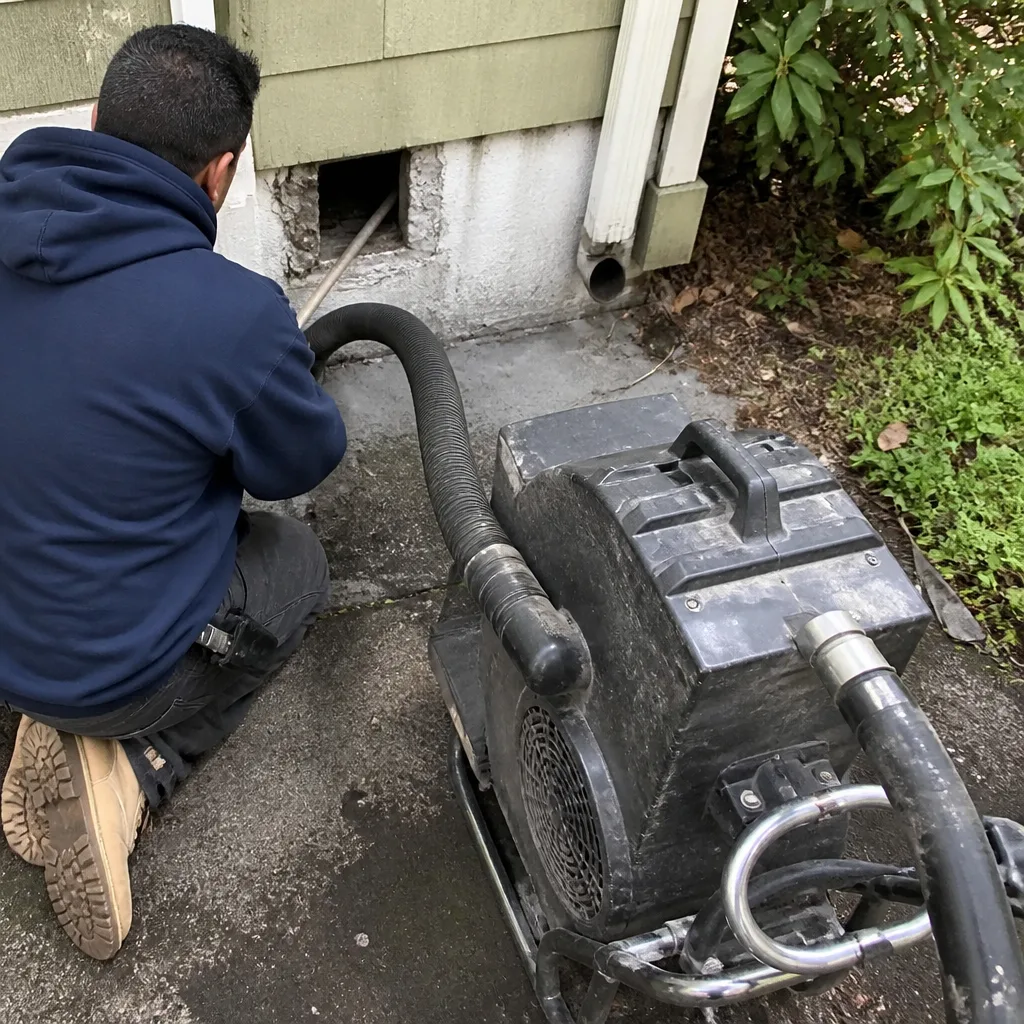 Before
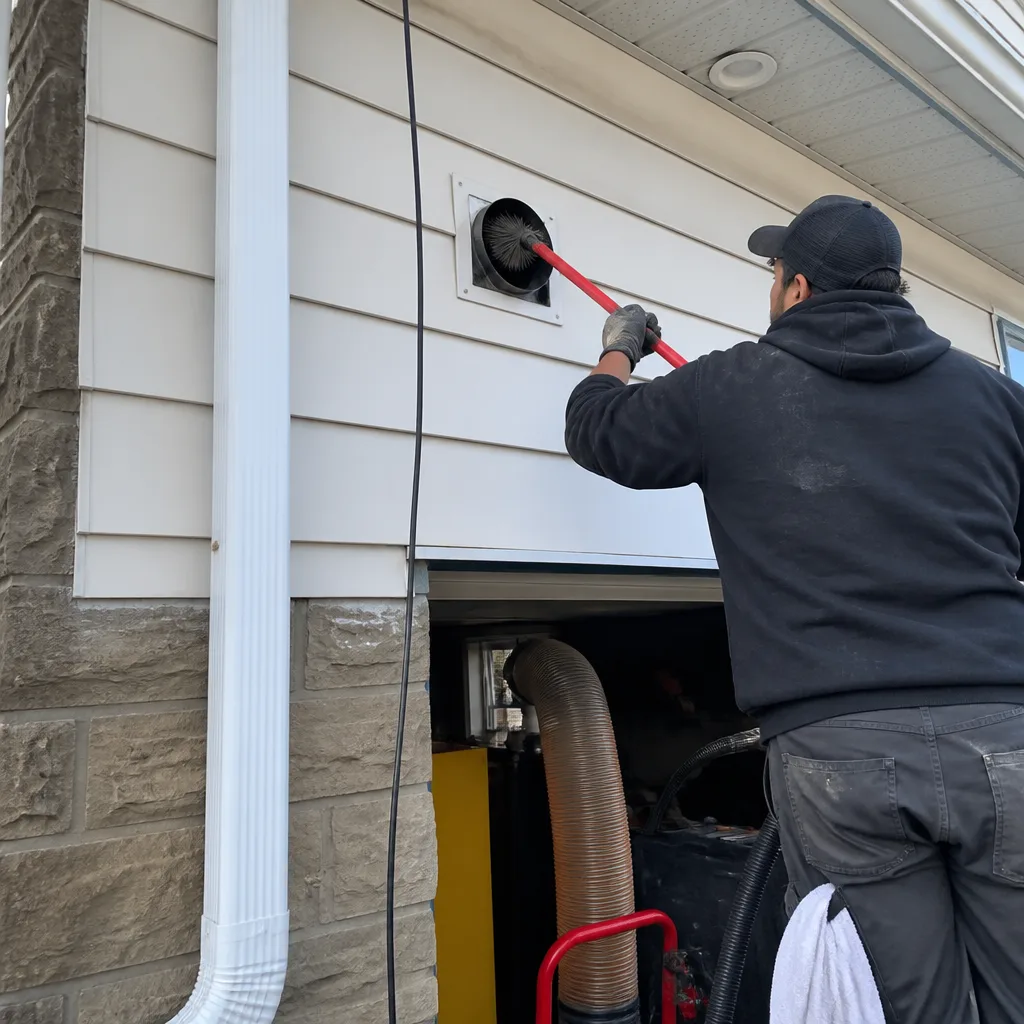 After
After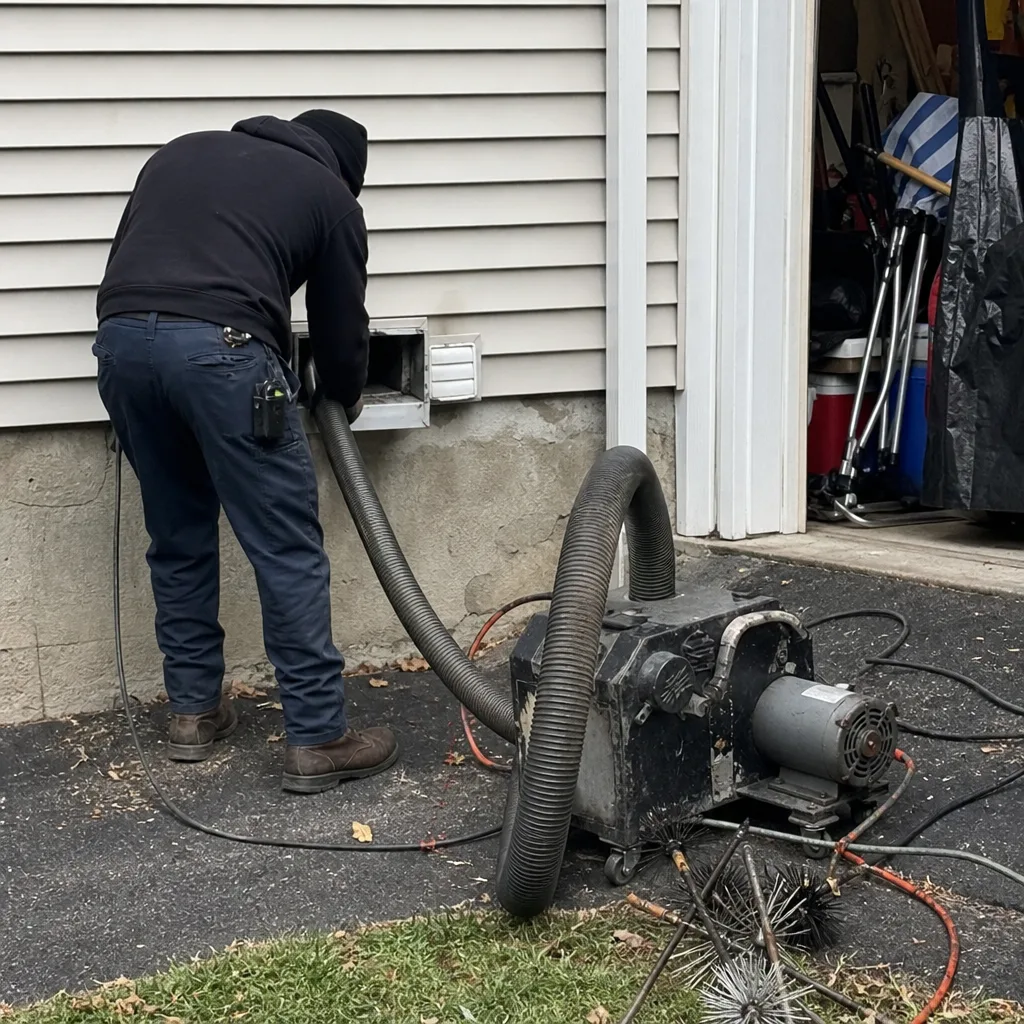 Before
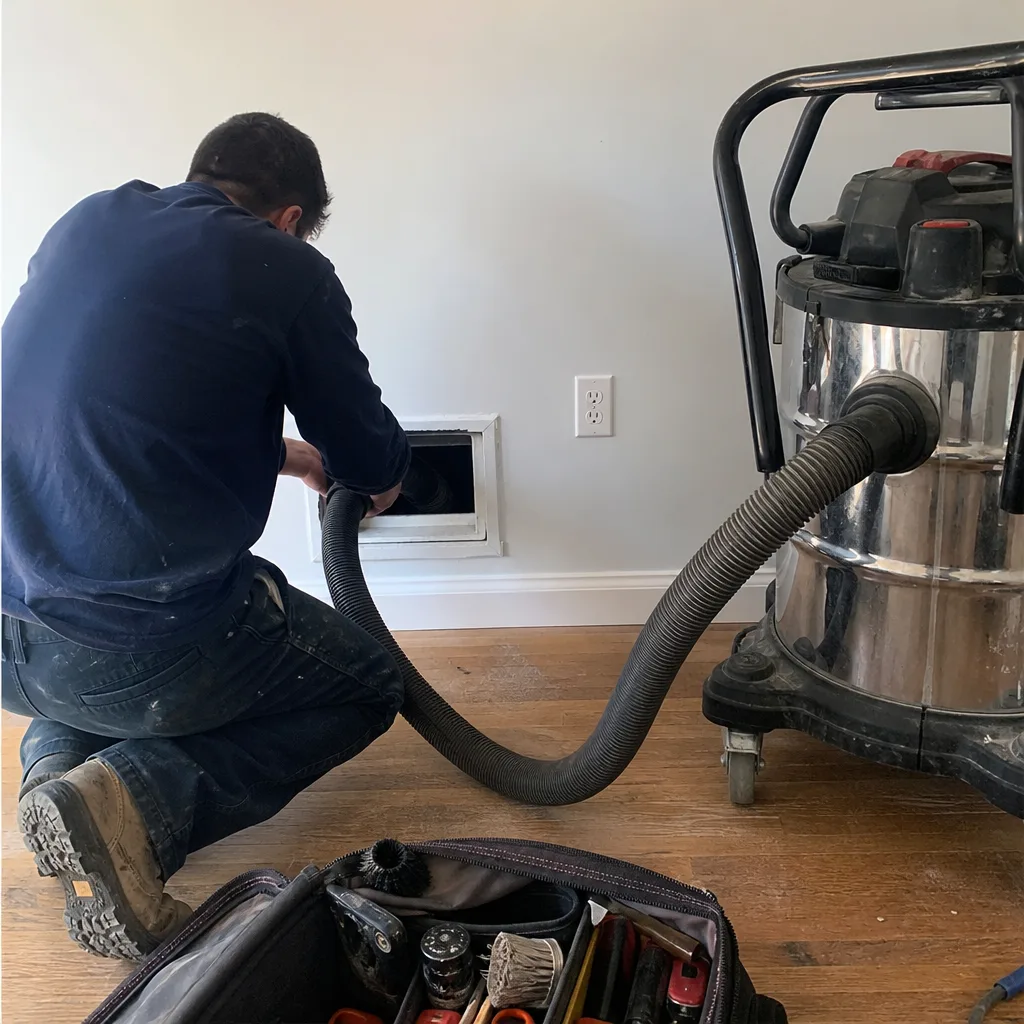 After
After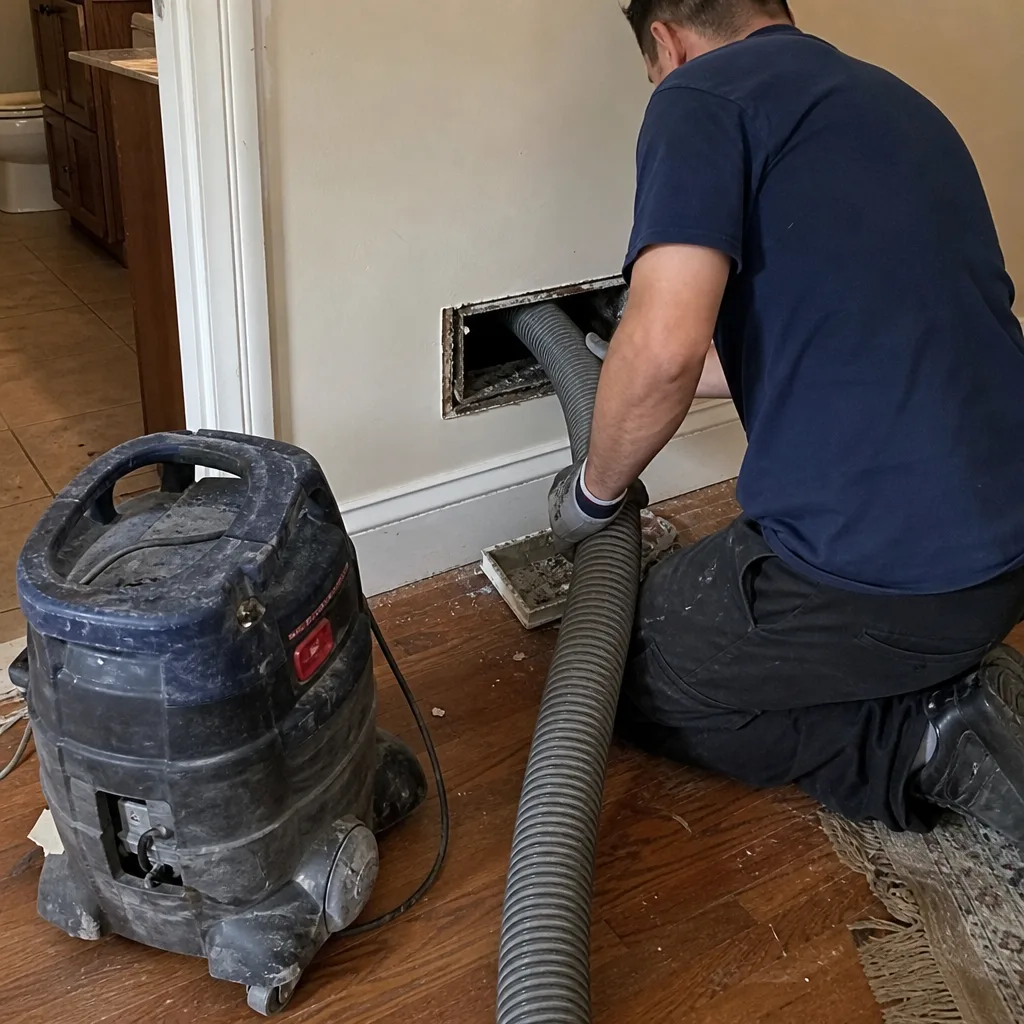 Before
 After
AfterOmar Haddad’s Perspective: What Yonkers Homeowners Actually Face
I’ve spent years working in homes across Yonkers and Westchester, and there’s a pattern that shows up over and over. It starts with a simple cleaning. The homeowner wants the system cleaned because of dust, allergies, or a renovation. We arrive, we scope the job, and we find something: a disconnected return in the basement that’s been pulling crawlspace air into the house for years. A crushed supply duct that’s been choking airflow to two bedrooms. Visible mold on the evaporator coil. Sometimes a previous “cleaning” left a broken access panel or a dangling flexible duct that was never reattached.
That’s the moment when the conversation about permits, codes, and inspections stops being theoretical. A homeowner who understands the distinction between maintenance and alteration is equipped to make a good decision. For additional help, browse more guides & resources. A homeowner who doesn’t understand it is at the mercy of whoever shows up to the door. At Cardinal Air Duct Yonkers, we operate on The Relay Standard: live arrival tracking, before-and-after photo documentation, a written price before any work begins, and the 365-Day Done Right Promise on every job. That’s not marketing. That’s the minimum standard for trust in a trade with no license requirement for the basic cleaning itself.
If you’re hiring for a basic air duct cleaning in Yonkers, make sure you get photos. If you’re considering any modification to the system, make sure the contractor is licensed and the permit path is clear. And if you’re dealing with mold, stop and call an assessor. The rules exist to protect the house and the people in it. Understanding them is free, and it’s worth the hour it takes to read a guide like this one.
Frequently Asked Questions
No. Air duct cleaning is classified as routine maintenance under the New York State Mechanical Code, and no permit, license, or inspection is required for the cleaning itself anywhere in New York, including Yonkers. The permit requirement kicks in only when the service involves physical alteration of the duct system – cutting access panels, replacing duct sections, rerouting runs, or modifying the plenum. Those alterations require a permit. Call (914) 613-6563 for a free estimate on a straightforward, no-alteration duct cleaning.
For a typical single-family home in Yonkers, a professional whole-system air duct cleaning generally runs $350 – $600, depending on square footage, number of HVAC systems, and accessibility of the ductwork. That range assumes a transparent, written-price model with no per-vent upcharges and no surprise add-ons at the door. Homes with multiple systems, very long duct runs, or pest contamination will run higher. Any quote far below that range should be examined carefully – it often means a superficial “blow and go” cleaning that doesn’t touch the coil, the plenum, or the return drop. For an exact price on your Yonkers home, call (914) 613-6563.
No. In New York, mold remediation is regulated by the NYS Department of Labor under Article 32. Any mold condition over 10 square feet requires a licensed mold assessor to evaluate the condition and write a remediation protocol, followed by a licensed mold remediator to perform the work. A duct cleaning company is not licensed to remediate mold and should not agitate moldy duct surfaces – doing so can aerosolize spores throughout the home. If mold is found during a duct cleaning in your Yonkers home, the right move is to stop the cleaning, document the condition, and bring in a licensed assessor. Once remediation is complete, the duct system can be professionally cleaned.
Insurers typically require pre-cleaning photos of the duct interior, a written scope of work with line-item detail, the equipment brands used, the technician’s name and date of service, and a final condition report noting any remaining issues. That’s the paperwork standard we’ve seen Yonkers homeowners need after water damage, smoke damage, or sewage backup events. A one-line invoice will almost certainly be rejected or heavily negotiated. Request before-and-after photo documentation from your duct cleaning company before the job begins – not after.
If a buyer’s home inspector identifies duct modifications without permits, the issue typically lands on the seller during negotiation. The seller may need to pull a retroactive permit, which often requires a licensed mechanical contractor to open the affected area and prove code compliance, or issue a closing credit so the buyer assumes responsibility. Either path costs money. That’s why any duct alteration in Yonkers – cutting an access panel, replacing a section, moving a register – should go through the proper permit channel upfront, not retrospectively.
For most Yonkers homes, every 3 – 5 years is a reasonable cadence, assuming the HVAC system includes decent filtration and the home isn’t undergoing constant renovation. Homes with pets, smokers, or residents with significant allergy concerns may benefit from every 2 – 3 years. Homes that just completed a major renovation in Westchester should get a post-construction cleaning before the family fully moves back in – drywall dust and construction debris settle in the ducts and then recirculate for months. Homes near the Saw Mill River or the Hudson may also benefit from more frequent inspections for moisture-related contamination in basement return drops.
When to Call a Professional
Call a professional duct cleaner when you see visible dust on registers, when the system hasn’t been cleaned in 5 or more years, when airflow in some rooms feels noticeably weaker than others, or – critically – after any renovation that involved drywall work, demolition, or floor sanding. Call before you suspect mold. And call a licensed mechanical contractor – not a duct cleaner – the moment you need duct sections replaced, returns relocated, or an access panel cut into an existing duct. Any company worth your time will tell you the difference between the two scopes without being asked. Cardinal Air Duct Yonkers offers free estimates in Yonkers – call (914) 613-6563 and we’ll help you determine exactly what your system needs and whether any permit considerations apply.
The Bottom Line
Air duct cleaning in New York is a permit-free service call – but only when it stays a cleaning. The moment ductwork is cut, replaced, rerouted, or opened as part of a mold remediation, the rules change. In Yonkers specifically, the City of Yonkers Building Department enforces permit requirements for HVAC alterations, and unpermitted work can surface as a liability during a home sale. The intelligent homeowner understands the distinction, documents every service, and asks hard questions before the technician arrives. That’s the standard we’ve built Cardinal Air Duct Yonkers around, and it’s the standard that keeps your home safe, your air clean, and your sale clean too. For a free estimate or a second opinion on a quote you’ve received, call (914) 613-6563 – a live person answers, and the price is always in writing before any work begins.
Written by Omar Haddad, Owner at Cardinal Air Duct Yonkers, serving Yonkers since 2005.