
Last updated October 15, 2026
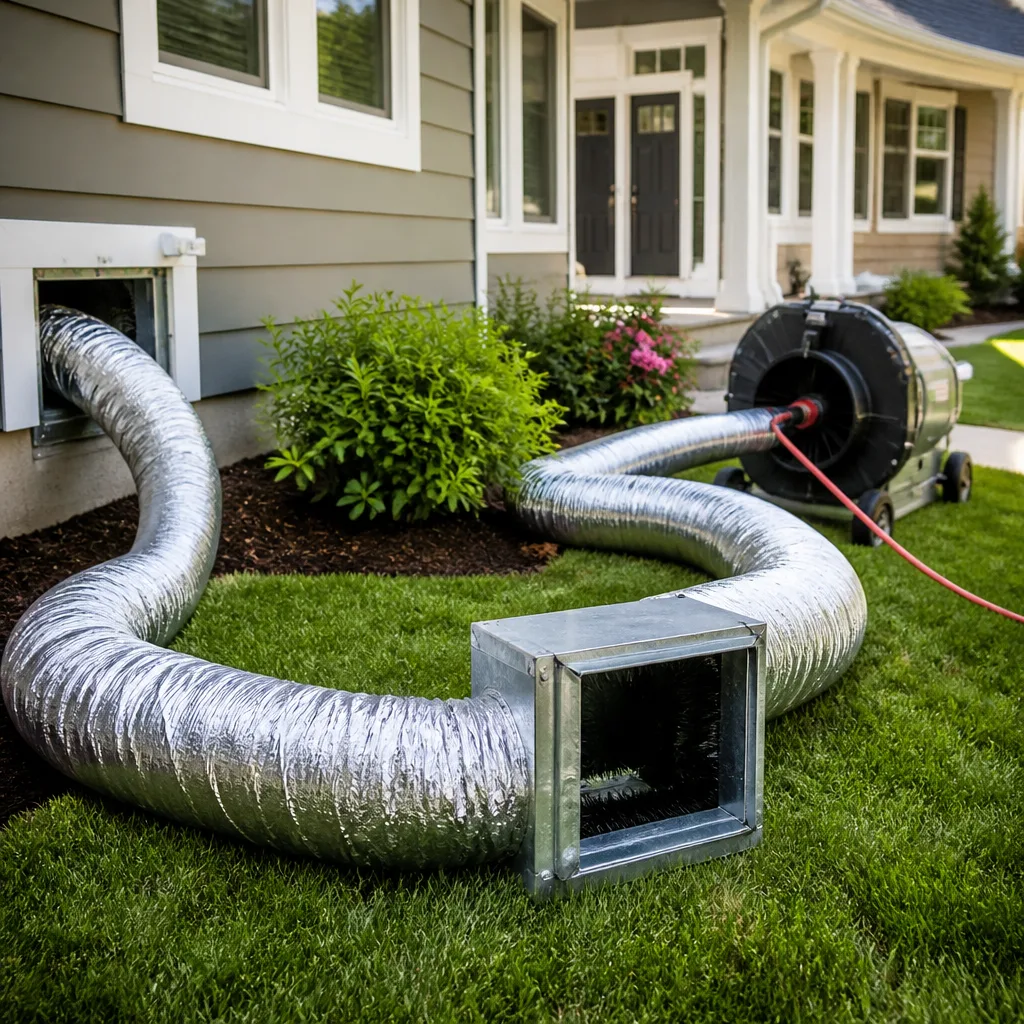 Whole-home duct cleaning
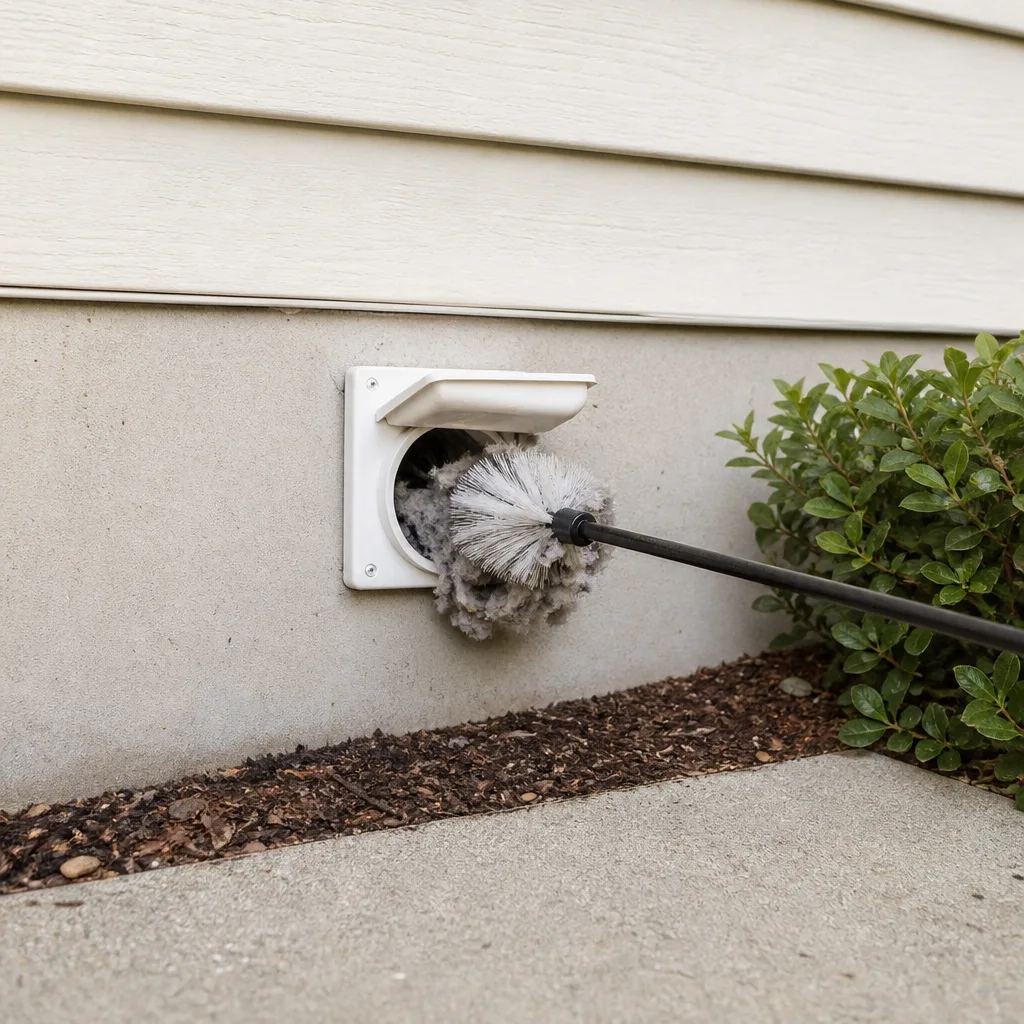 Dryer vent cleaning
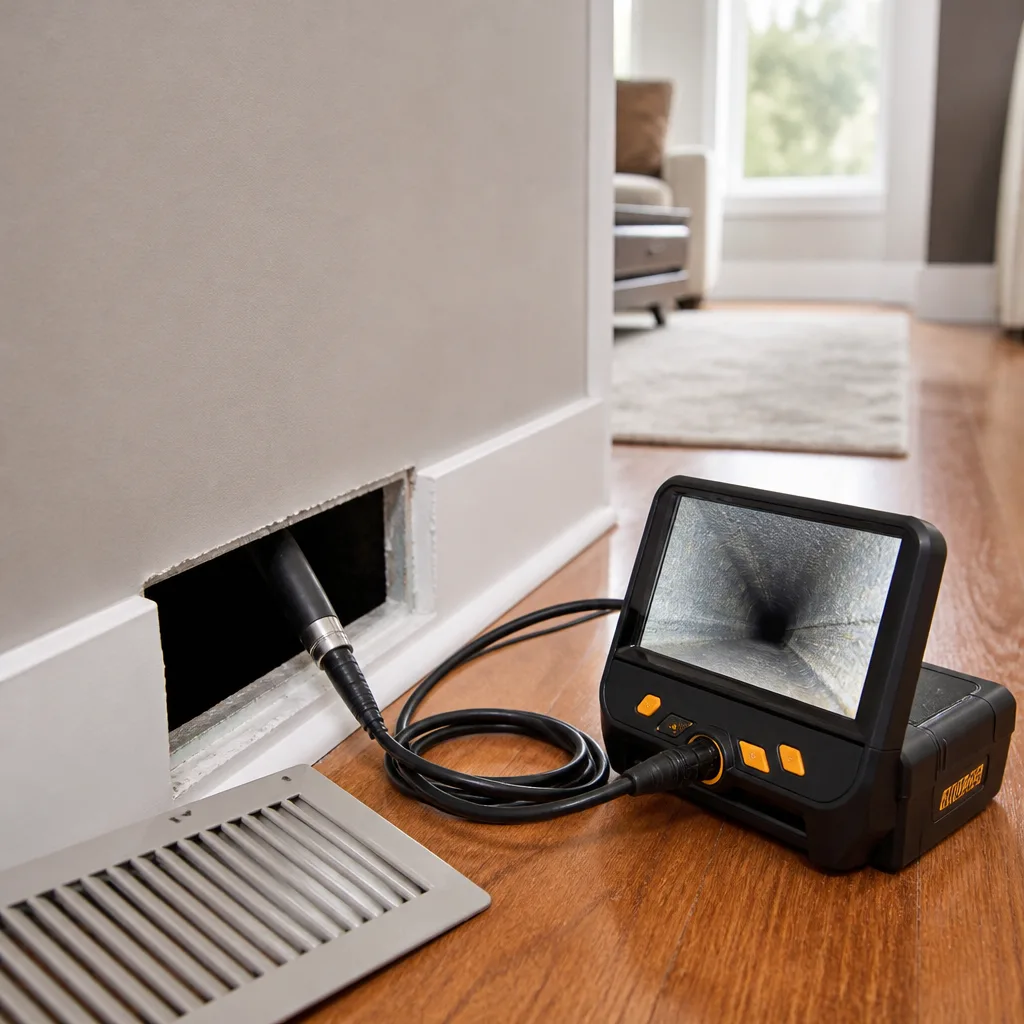 Camera inspection
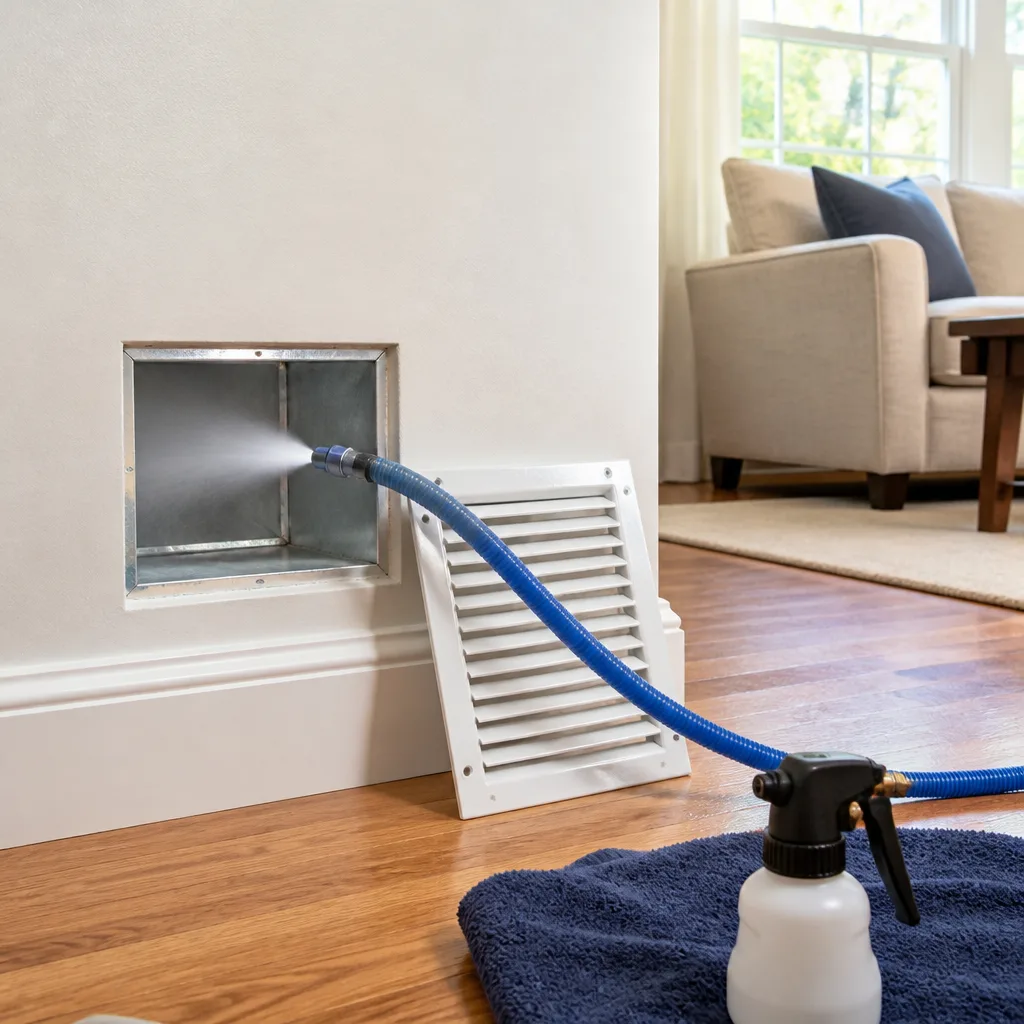 Sanitizing & deodorizing
Whole-system duct and dryer vent check with before-and-after photos - you see exactly what came out of your vents
That "$99 whole-house special" is a bait ad - the real number appears once they are in your hallway, or the "clean" is a shop-vac at the register. We photograph the inside of your ducts before and after instead.
The Complete Guide to Air Duct Cleaning in Yonkers
Yonkers sits in one of the highest humidity corridors in the New York metro area, and a surprising number of homes here built before 1980 run ductwork through unconditioned crawl spaces and basements. That combination creates a simple equation: warm, moist air meets cool metal and flex duct surfaces, condensation forms, and that condensation traps dust, pollen, and eventually mold spores. The result is a duct system that accumulates contamination faster than the EPA’s national guidance suggests, which is why Yonkers homeowners often need cleaning more frequently than the commonly cited five-to-seven-year cycle. This Air Duct Cleaning guide covers what actually lives inside the ducts of Yonkers homes, how the cleaning equipment works, what honest pricing looks like here, and how to verify the job was done right.
Quick Answer
Air duct cleaning in Yonkers typically costs between $450 and $850 for a full system cleaning of a home up to 2,500 square feet, depending on duct material, accessibility, and contamination level. Most homes in Yonkers need the service every three to five years, not the five-to-seven years often cited nationally, because of the area’s humidity and older housing stock. A reputable Yonkers duct cleaning company will use HEPA-filtered negative-pressure extraction, hand you a written price before starting, and document the work with before-and-after photos. See our DIY vs Professional Air Duct Cleaning: The Yonkers Homeowner’s Decision Guide for help choosing the right approach.
Styles & brands we work with
Table of Contents
- Why Yonkers Ducts Get Dirty Faster Than the National Average
- What’s Actually Inside Your Ducts: Yonkers-Specific Contaminants
- Duct Material Matters: Flex Duct vs. Sheet Metal in Yonkers Homes
- How Professional Equipment Works: Rotobrush, Nikro, and Negative-Pressure Extraction
- How Much Does Air Duct Cleaning Cost in Yonkers?
- What Before-and-After Photos Actually Show You
- Common Mistakes to Avoid
- When to Call a Professional
Why Yonkers Ducts Get Dirty Faster Than the National Average
Two factors separate Yonkers from drier, newer housing markets: climate and construction era. The Hudson River and Long Island Sound keep ambient humidity high from May through October. That humidity infiltrates crawl spaces, basements, and the duct runs that pass through them. When an air conditioning system pushes cool air through a duct sitting in an 80-degree, 70-percent-humidity crawl space, the exterior of that duct sweats. The interior does something similar in reverse during winter heating cycles. That moisture binds airborne particles: dust, dander, pollen, and the fine particulate that drifts across the Saw Mill River Parkway corridor daily.
The second factor is age. A significant portion of Yonkers housing stock in neighborhoods like Nodine Hill, northwest Yonkers, and the apartment rows near Getty Square predates 1980. These homes often have original duct runs or systems retrofitted decades ago. Older ductwork has more interior seams, joints, and irregularities where debris accumulates. Many systems also draw return air through wall cavities or chases that were never sealed properly, pulling in dust from between floors and stud bays. A newer home in Westchester’s northern suburbs with tightly sealed duct runs will show accumulation years slower than a prewar colonial near McLean Avenue with original sheet metal and a wide-open return path.
What this means in practice: if a national website tells you ducts only need cleaning every five to seven years, that advice doesn’t account for a 1920s Yonkers home with duct runs through a damp basement and a family of four running the HVAC system ten months a year. We regularly inspect duct systems in Yonkers that show visible accumulation within three years of a previous cleaning.
What’s Actually Inside Your Ducts: Yonkers-Specific Contaminants
Every region has a signature contaminant profile. Here’s what we find in Yonkers duct systems, in order of frequency.
1. Mold and mildew from humidity
Yonkers summers are humid, and homes without basement dehumidification or proper crawl space encapsulation will see moisture migrate into duct interiors. Mold spores are always present in outdoor air; the inside of a duct becomes a viable colony site only when moisture is present. We see the highest mold readings in duct systems that run through unconditioned spaces and in homes where the AC system is oversized, a common issue in older Yonkers homes where HVAC systems were replaced without proper load calculations. An oversized AC cools the house too quickly and never runs long enough to strip humidity from the air, leaving ducts damp for hours after each cycle.
2. Construction dust from ongoing neighborhood renovation
Yonkers has been in a steady state of renovation for two decades. Drive through Lincoln Park, Ludlow, or the neighborhoods off South Broadway and you’ll see dumpsters and scaffolding. Construction generates fine silica and gypsum dust that hangs in the air and gets pulled into return ducts. If you’ve renovated your own kitchen, bathroom, or basement, that dust is almost certainly inside your ducts. It’s not just cosmetic; gypsum dust is abrasive and can wear on blower motor bearings over time.
3. Rodent and pest debris in older homes
Pre-1980 homes in Yonkers, particularly those near wooded areas like Tibbetts Brook Park or the Sprain Ridge corridor, see regular rodent pressure. Mice and squirrels find entry points where duct runs penetrate foundation walls or rim joists. They nest in insulation near ducts, and their droppings, urine residue, and nesting material find their way into return and supply runs. This is a health concern, not just a cleanliness issue, because dried rodent waste becomes airborne particulate when the system runs.
4. Pet hair and dander
Yonkers households own a lot of pets, and multi-pet homes with interior air returns located near floors will pull dander and hair into the system. Hair mats in duct interiors become collection points for other debris.
5. The usual dust and skin cells
Every home sheds organic material daily. The difference in Yonkers is the humidity factor that turns that dust into a sticky film on duct walls, which then captures more dust. It’s a compounding cycle.
Duct Material Matters: Flex Duct vs. Sheet Metal in Yonkers Homes
One of the most overlooked variables in duct cleaning is what the ducts are made of. The method and the price change depending on the answer, and most national guides never mention it.
Sheet metal ducts
Homes built before roughly 1985 in Yonkers typically have galvanized sheet metal supply trunks and branches. Sheet metal is durable, but it has interior edges at every joint, elbow, and takeoff where debris catches. Cleaning sheet metal requires mechanical agitation, a brush that physically scrubs the interior surfaces, combined with suction to capture the dislodged debris. Sheet metal can handle aggressive brush contact without tearing.
Flex duct
Homes built or renovated after the mid-1980s, and many townhouse communities in Yonkers, use flexible duct with an interior plastic lining wrapped around a spiral wire coil and insulated on the outside. Flex duct is quieter to install and cheaper, but the interior liner is fragile. It cannot withstand aggressive rotary brush contact. Cleaning flex duct requires gentler agitation, often with softer nylon brushes at lower RPM, or compressed-air systems designed specifically for flex interiors. A contractor using the wrong brush on flex duct will tear the liner, creating air leaks and new debris sources.
What this means for your home
Before any cleaning starts, the technician should identify what mix of duct material your system uses. Most Yonkers homes have a combination: original sheet metal trunks with flex branches added during renovations. A professional assessment means knowing which sections can take a rotary brush and which need the gentler approach. If a contractor quotes you a single flat price without asking about your home’s age or showing any interest in your duct material, that’s a red flag. The method they use may not match what your system can safely handle.
Homes near the Saw Mill River and Old Croton Aqueduct corridors, and in older single-family neighborhoods like Lawrence Park and Beech Hill, skew heavily toward older sheet metal systems. Mid-century apartment buildings around Getty Square and South Broadway also run metal duct risers. Newer townhouse developments along the riverfront lean flex. Knowing your home’s era tells us a lot before we even open a register.
How Professional Equipment Works: Rotobrush, Nikro, and Negative-Pressure Extraction
Proper duct cleaning uses a combination of agitation and containment, and the equipment matters. Here’s what the names mean and what they actually do inside your ducts.
Negative-pressure extraction: the non-negotiable
The central principle of legitimate duct cleaning is negative-pressure extraction. That means the system is placed under suction while agitation happens, so the loosened debris goes straight into the vacuum, not back into your living room. Without negative pressure, you’re just kicking dust around inside the ducts and pushing some of it through the registers while you work. A HEPA-filtered vacuum unit is connected to the duct system, typically at the main trunk near the furnace or air handler, creating a constant pull on the entire run.
HEPA matters. HEPA is a filtration standard that captures 99.97% of particles at 0.3 microns. In a Yonkers home with rodent debris or mold spores in the ducts, a HEPA filter ensures the vacuum is not exhausting those contaminants back into the house through its own exhaust port. Some contractors use shop vacs or truck-mounted units without HEPA filtration. That should disqualify them immediately for this kind of work.
Rotobrush: mechanical agitation for sheet metal
Rotobrush is a brand name for a rotary brush system, a motorized brush head on a flexible shaft that spins at high speed while being fed through the duct. The brush physically scrubs the interior walls, knocking loose the sticky film that humidity creates. Rotobrush units are paired with vacuum extraction so the loosened material is pulled out as it’s released. This is the standard approach for metal ducts, where the aggressive brush contact is safe and effective.
Nikro: HEPA-rated vacuum extraction
Nikro builds HEPA-filtered vacuum collection units and complementary agitation tools. In a typical cleaning, the Nikro vacuum unit is connected at the main trunk, establishing negative pressure, while a Rotobrush or similar agitation tool works through each supply and return branch from the register openings. The combination is what separates professional cleaning from a guy with a shop vac and a drill brush. The Nikro unit also contains the debris in sealed collection bags or canisters that are removed and disposed of outside the home.
Abatement Technologies: containment
Abatement Technologies builds containment and air-scrubbing equipment used in higher-risk cleanings, including duct systems with confirmed mold growth or rodent contamination. Their units create a sealed negative-air environment and filter the air continuously during the work. For most Yonkers homes, this level of containment is unnecessary, but if your system has active mold in the ducts, it’s the standard that protects your home during the process. Any contractor who dismisses containment as overkill when mold is present does not understand the health risk they’re managing.
When a technician arrives at your Yonkers home, you should be able to ask what equipment they carry and why. The answer should cite the specific tools for your home’s duct type and contamination level. Generic answers like “we use professional equipment” don’t tell you whether they use the right tool for your system.
We run Rotobrush brush systems, Nikro HEPA vacuums, and Abatement Technologies containment units. We also install filtration products from Honeywell, Aprilaire, and Guardsman for Yonkers homeowners who want to address air quality at the source after their ducts are clean. The right filter media makes a measurable difference in how quickly a clean system re-accumulates debris.
How Much Does Air Duct Cleaning Cost in Yonkers?
Let’s give you real numbers for the Yonkers market, not national averages that don’t reflect local labor rates, travel costs, and the specific conditions of older housing stock here.
Most standard air duct cleanings run $450 to $850 for a typical home in Yonkers up to 2,500 square feet. That range assumes a single HVAC system with 10 to 18 supply registers. Here’s what drives the variance:
| Factor | Effect on Price |
|---|---|
| System size (register count) | Larger homes, more registers, higher price |
| Duct material | Sheet metal uses aggressive brushes; flex uses gentler tools with more labor per foot |
| Access to main trunk | Finished basements with tight mechanical rooms add time and complexity |
| Contamination level | Visible mold, rodent debris, or heavy construction dust require containment and additional passes |
| Number of systems | Some larger Yonkers homes have two separate HVAC systems |
| Additional services | Dryer vent cleaning, filter upgrades, and sanitizing treatments are priced separately |
Homes under 1,500 square feet with simple duct layouts, common in Yonkers townhouse communities, often land on the lower end. Large single-family homes near the Greystone and Hudson River Museum districts, with multiple systems and long duct runs through finished ceilings and walls, can exceed $850.
Here’s what a fair Yonkers duct cleaning quote looks like: a single written price for the entire system, agreed before work starts, with no per-vent pricing and no add-on charges at the door. This matters in this market specifically because Yonkers has a mix of old and new construction in a tight geographic area, which gives less scrupulous operators room to quote low and inflate. A written price is the only real protection.
We hand you a written price before a single duct is touched. It does not change at the door. That’s part of how Cardinal Air Duct Yonkers home operates, and it’s one of the reasons we put the 365-Day Done Right Promise behind every job: if the work isn’t right within 365 days, we return and correct it at no charge. The longest-standing satisfaction window in the trade covers every booking without exception.
What Before-and-After Photos Actually Show You
Most homeowners have never seen the inside of their own ducts. That’s a problem when you’re paying hundreds of dollars for work that happens entirely out of sight. This is where photo documentation becomes the single most useful verification tool you have.
Before-and-after photos should capture the interior of your duct runs at multiple points: the inside of a return boot, the inside of a supply branch, and ideally a trunk line if access permits. A proper before photo will show the layer of debris that’s accumulated. The after photo should show bare metal or clean flex liner.
Here’s what to look for in the photos:
- Same-angle shots. The before and after should be from the same register, same angle. A contractor who shows you a dirty duct from one register and a clean duct from a different one is not showing you honest work.
- Interior visibility. The photo should look into the duct, not at the register cover or the floor grille. You want to see the duct interior surface.
- Multiple locations. At least three to four registers photographed, not one. Debris distribution is uneven; a single photo doesn’t prove the whole system was cleaned.
- Date and time stamps. Digital metadata should show the photos were taken during your appointment window.
This is what The Relay Standard requires. The Relay Visibility Guarantee means every Cardinal Air Duct Yonkers booking includes a live trackable arrival time, before-and-after photo documentation, and a digital invoice payable by link. You see the work. You know the price. You track the arrival. No part of the job happens in a black box.
For Yonkers homeowners specifically, before-and-after photos matter more because so much of the city’s housing stock has ducts in places you can’t access: crawl spaces with low clearance, finished basement ceilings, and closed wall chases. You’re paying for work done in spaces you will never enter. The photos are your proof.
See the difference
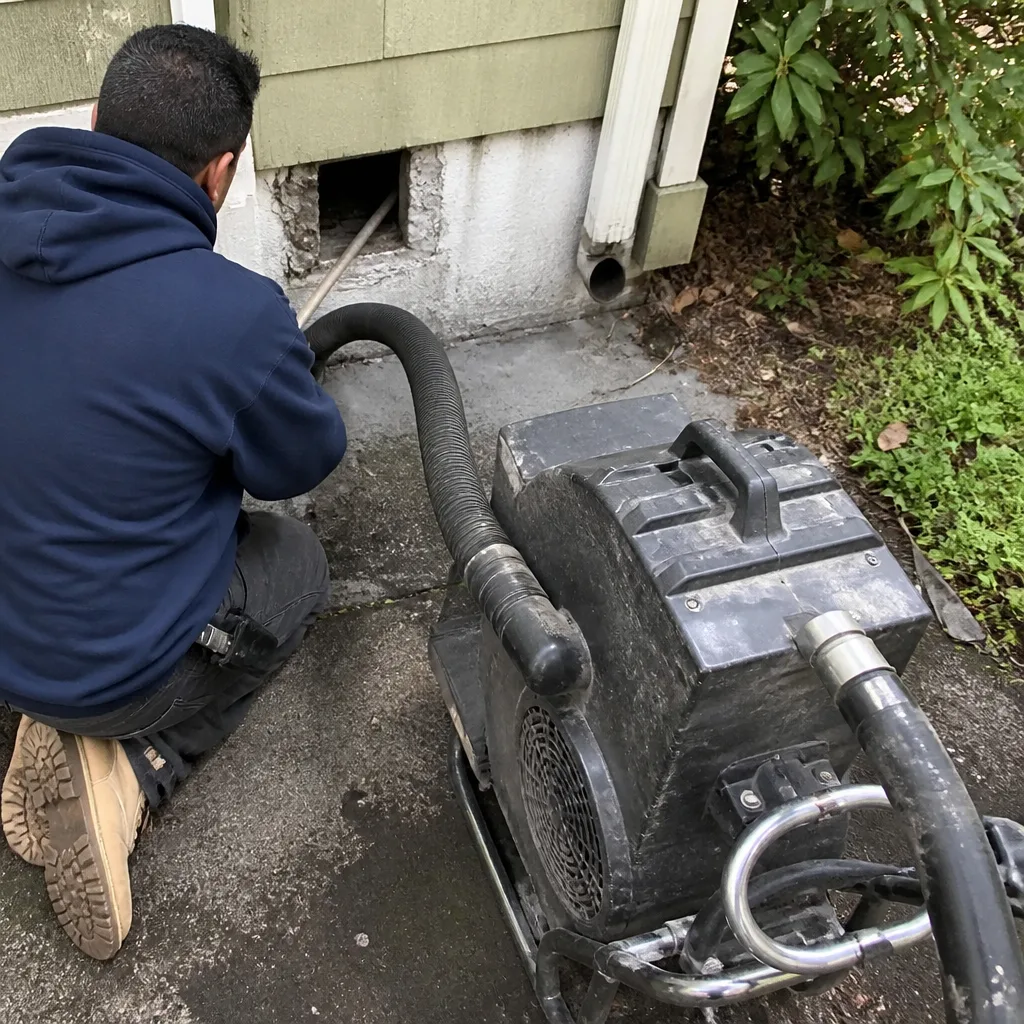 Before
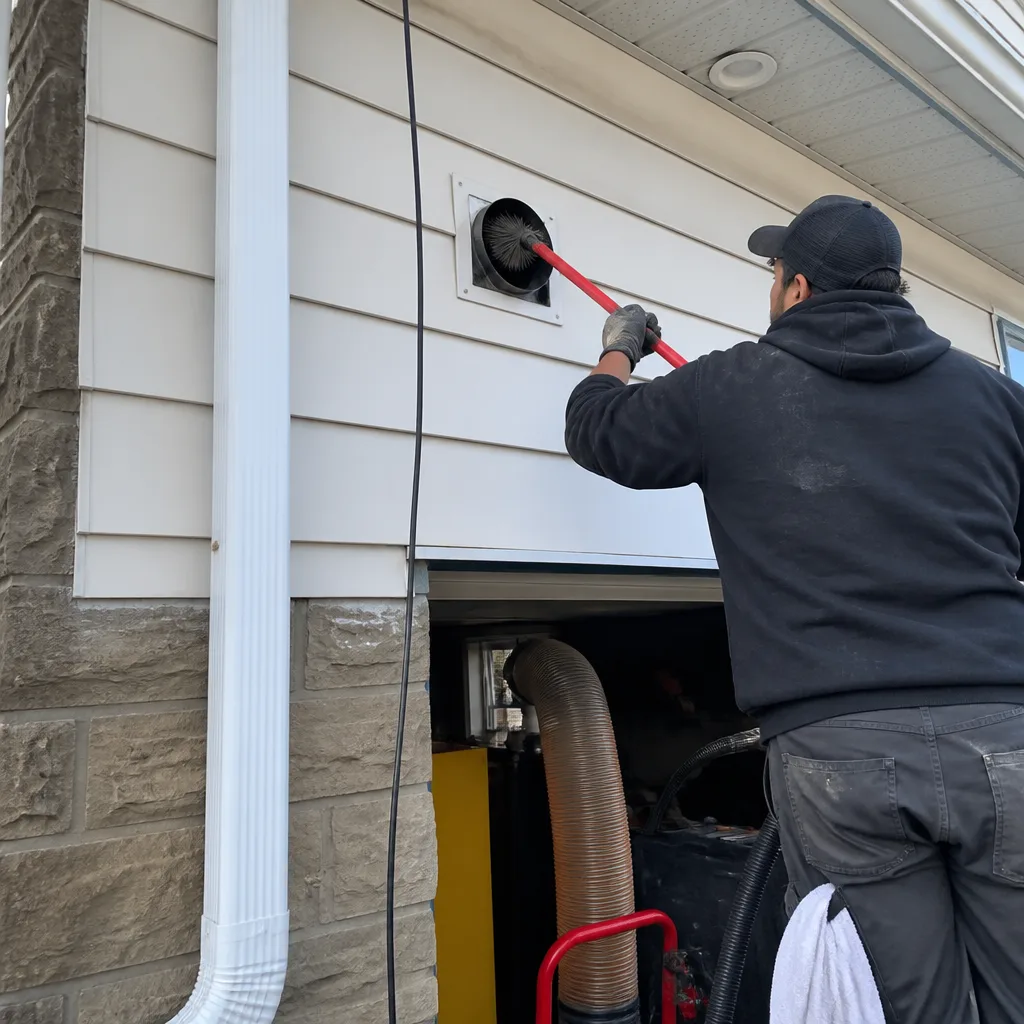 After
After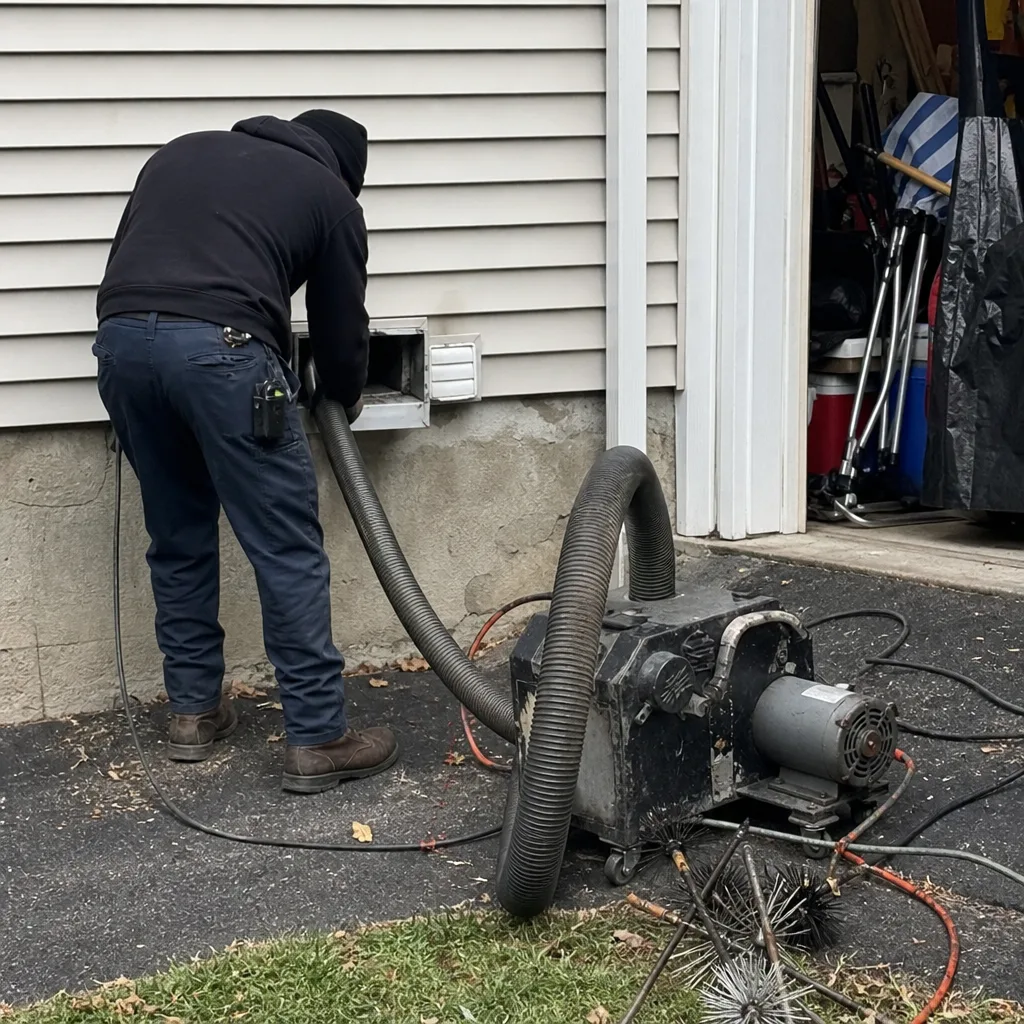 Before
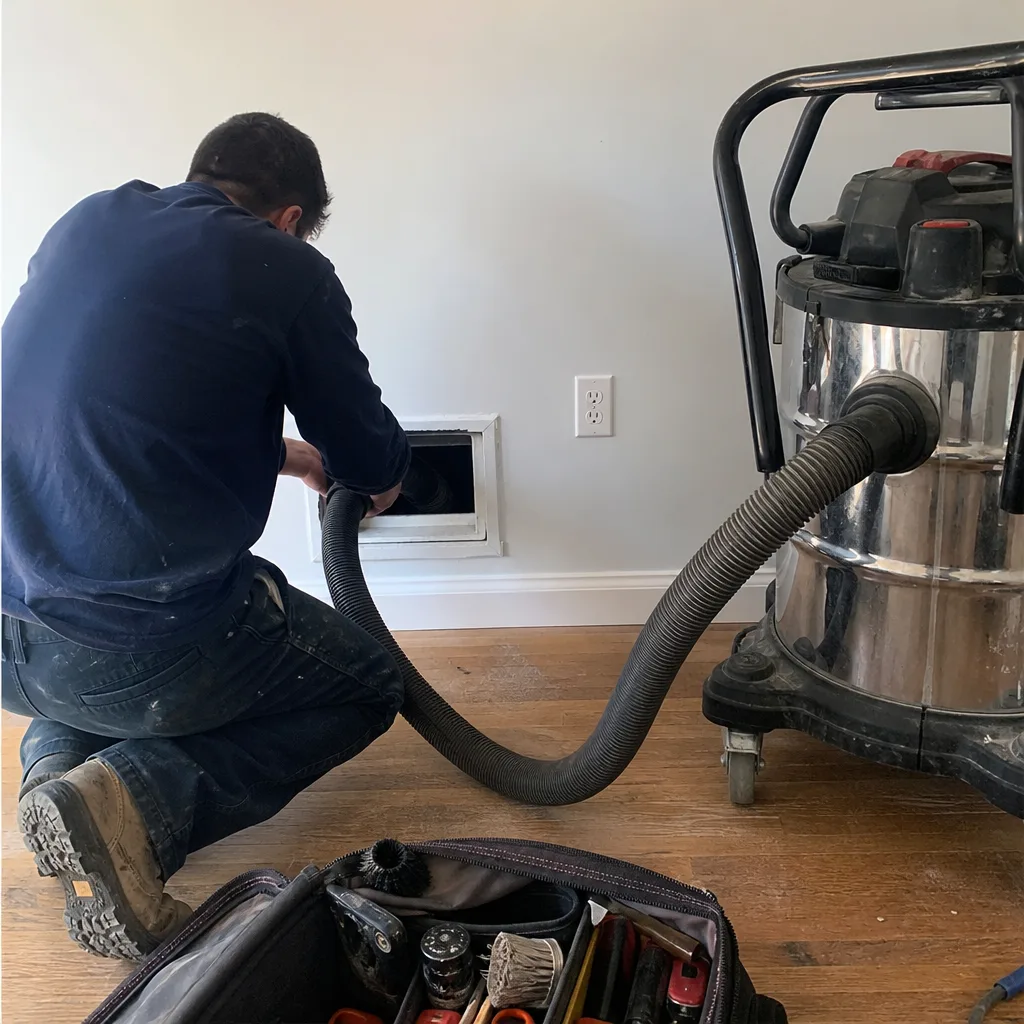 After
After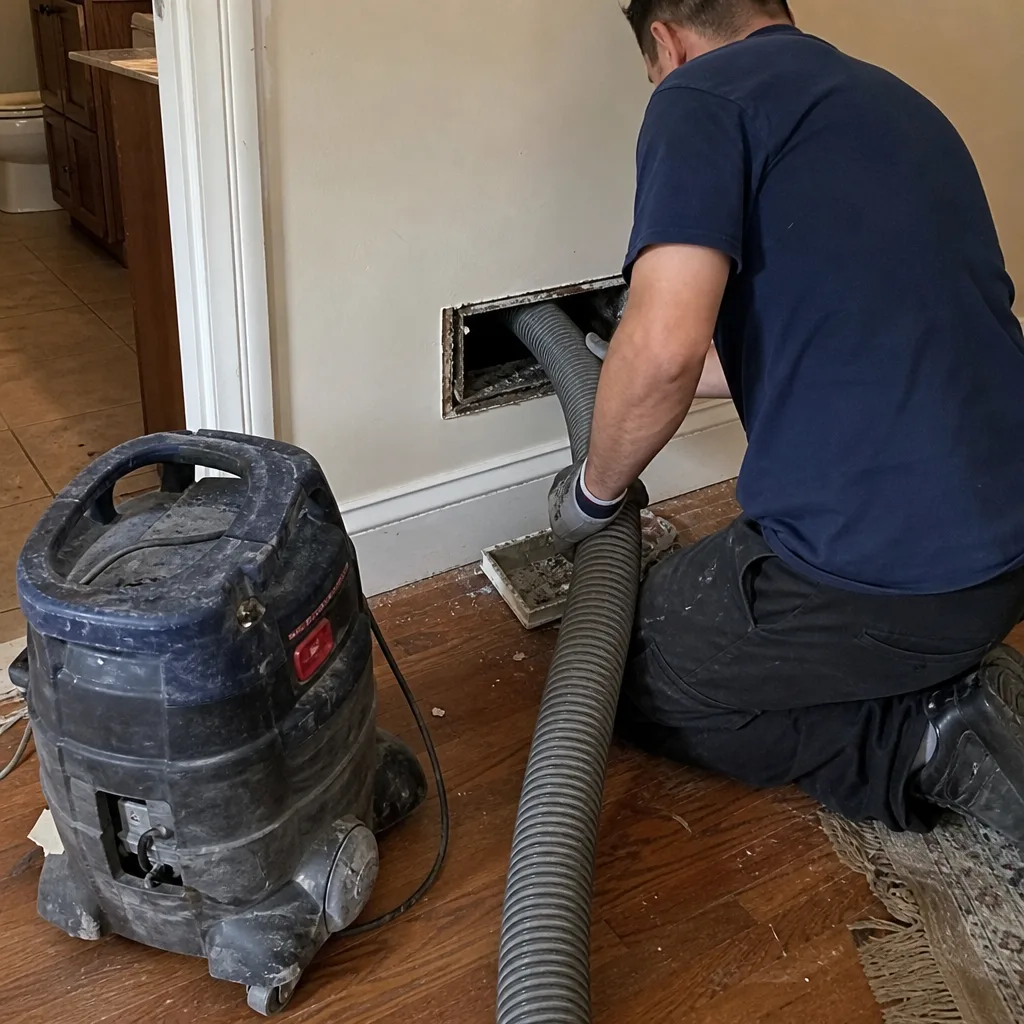 Before
 After
AfterHow Often Should You Really Clean Your Ducts in Yonkers?
The national guidance websites repeat is every five to seven years. For Yonkers homes, that guidance breaks down in practice. Here’s a more useful framework based on what we see in the field.
Every three to four years: Homes with pets, homes with occupants who have allergies or asthma, homes near active renovation, and homes with duct runs through unconditioned crawl spaces or damp basements. This covers a large share of Yonkers single-family housing.
Every five years: Newer construction with sealed duct runs, no pets, no smokers, and dry basements with dehumidification. This is the baseline for a well-maintained modern home.
Sooner than three years if: You renovate, you discover rodent activity, you see visible mold on registers or return grilles, or you move into a home where the previous owners owned pets and you don’t have documentation of a recent cleaning. A move-in cleaning is one of the most common service calls we get in Yonkers, because buyers recognize that a clean inspection doesn’t mean clean ducts.
Signs your ducts need attention now: visible dust trails at register edges after the system runs, a musty odor that kicks in with the AC, increasing dust accumulation on furniture despite regular cleaning, and uneven airflow between rooms. Any one of these is reason enough to schedule an inspection. Call (914) 613-6563 for a free estimate and we’ll tell you honestly whether your system needs the work.
Common Mistakes to Avoid
- Choosing a contractor based on a per-vent price. Per-vent pricing is a bait tactic. The quoted number covers the visible registers, then the contractor adds charges for the main trunk, the return, the plenum, or the access work once they’re inside. A legitimate quote is one price for the entire system.
- Accepting a quote without a physical inspection. No honest contractor can price your duct cleaning without looking at your system’s register count, access points, and duct material. Phone quotes from Yonkers listings without a site visit are guesses.
- Skipping the photo documentation. If the contractor can’t show you the inside of your ducts before and after, you’re paying on faith. Demand photos.
- Believing the $99 whole-house coupon. No legitimate full-system duct cleaning in Yonkers costs $99. The labor, equipment, and time involved make that number impossible without the contractor planning to upsell aggressively once on site.
- Using the wrong tool on flex duct. If your Yonkers townhouse has flex branches and the contractor runs a hard rotary brush through them, you’ll get torn liners and air leaks. Ask what tool they’ll use and why.
- Ignoring the dryer vent. The dryer vent is a separate run, and it’s a fire hazard when clogged. Dryer Vent Cleaning in Yonkers should be done annually, and many of our duct customers bundle it with their system cleaning.
- Waiting until you can see the problem. By the time dust is visibly blowing from your registers, the system has been circulating contaminated air for months. The goal is to clean before it becomes an indoor air quality problem, not after.
When to Call a Professional
Duct cleaning is not a DIY project. The interior of a duct system is inaccessible without commercial equipment, and working inside duct interiors without proper containment can spread contaminants through your entire Yonkers home. If you see visible mold growth at register openings, find rodent droppings inside return boots, notice dust blowing from registers when the system starts, or you’ve completed a renovation without sealing off the supply and return runs, call a professional. If you’ve moved into an older Yonkers home and have no record of previous cleaning, schedule an inspection. If someone in your household has respiratory conditions that worsen when the HVAC runs, don’t wait. Air Duct Cleaning in Yonkers from Cardinal Air Duct Yonkers includes a written price before work starts and free estimates, call (914) 613-6563.
Frequently Asked Questions
Most homes in Yonkers pay between $450 and $850 for a complete system cleaning, with the price driven by system size, duct material, access difficulty, and contamination level. Homes with multiple HVAC systems or heavy mold or rodent contamination run higher. Call (914) 613-6563 for a written estimate, free and specific to your home.
Cheap duct cleaning quotes usually come from companies using per-vent pricing, running non-HEPA equipment, or planning to upsell heavily once the technician is inside your home. No legitimate full-system cleaning in Yonkers costs $99 or $199. When a price is dramatically below the market, the shortfall is recovered somewhere else, either through add-ons at the door or by skipping the actual work.
Ask for before-and-after photos of the interior of your ducts from multiple registers, taken on the same day as the service. A legitimate contractor will show you bare metal or clean flex liner in the after photos. Our bookings include before-and-after photo documentation as part of The Relay Visibility Guarantee, so you never take the work on faith. Browse our more guides & resources for additional home maintenance tips.
For most Yonkers homes, every three to five years. The city’s humidity, older housing stock, prevalence of crawl space duct runs, and renovation activity all accelerate accumulation compared to national averages. Homes with pets, allergy sufferers, or recent renovations should plan for the shorter end of that range.
Yes, if the system has real accumulation. Cleaning removes the reservoir of dust, dander, and mold spores that recirculates every time the HVAC runs. In Yonkers, where humid summers create ideal conditions for mold inside ducts, a clean system with proper filtration makes a measurable difference for allergy and asthma sufferers. Pairing a cleaning with a high-efficiency filter from Aprilaire or Honeywell extends the benefit.
Yes, when the smell originates in the ducts. Musty odors that intensify when the AC runs are a sign of mold or mildew inside the system, common in Yonkers due to humidity. Cleaning removes the source; we can also recommend filtration and humidity control products to prevent it from returning. If the musty smell persists after cleaning, the source is elsewhere in the home, and we’ll say so honestly.
Yes. HVAC Cleaning in Yonkers includes the air handler, blower motor, evaporator coil, condensate pan, and the plenum. Cleaning the ducts without cleaning the components that push and condition the air leaves a major contaminant source untouched. A complete system cleaning addresses the whole airflow path.
The Bottom Line
Yonkers homes accumulate duct contamination faster than national guidance suggests, driven by humidity, pre-1980 construction, and the city’s steady renovation cycle. At Cardinal Air Duct Yonkers, we clean with professional-grade Rotobrush, Nikro, and Abatement Technologies equipment, hand you a written price before a single duct is touched, and document the work with before-and-after photos. The 365-Day Done Right Promise means if the work isn’t right within a full year, we return and correct it at no charge. Omar Haddad leads the team, and a live person answers the phone at (914) 613-6563. Call for a free estimate and get a straight answer about your system’s condition.
Written by Omar Haddad, Owner at Cardinal Air Duct Yonkers, serving Yonkers since 2005.