
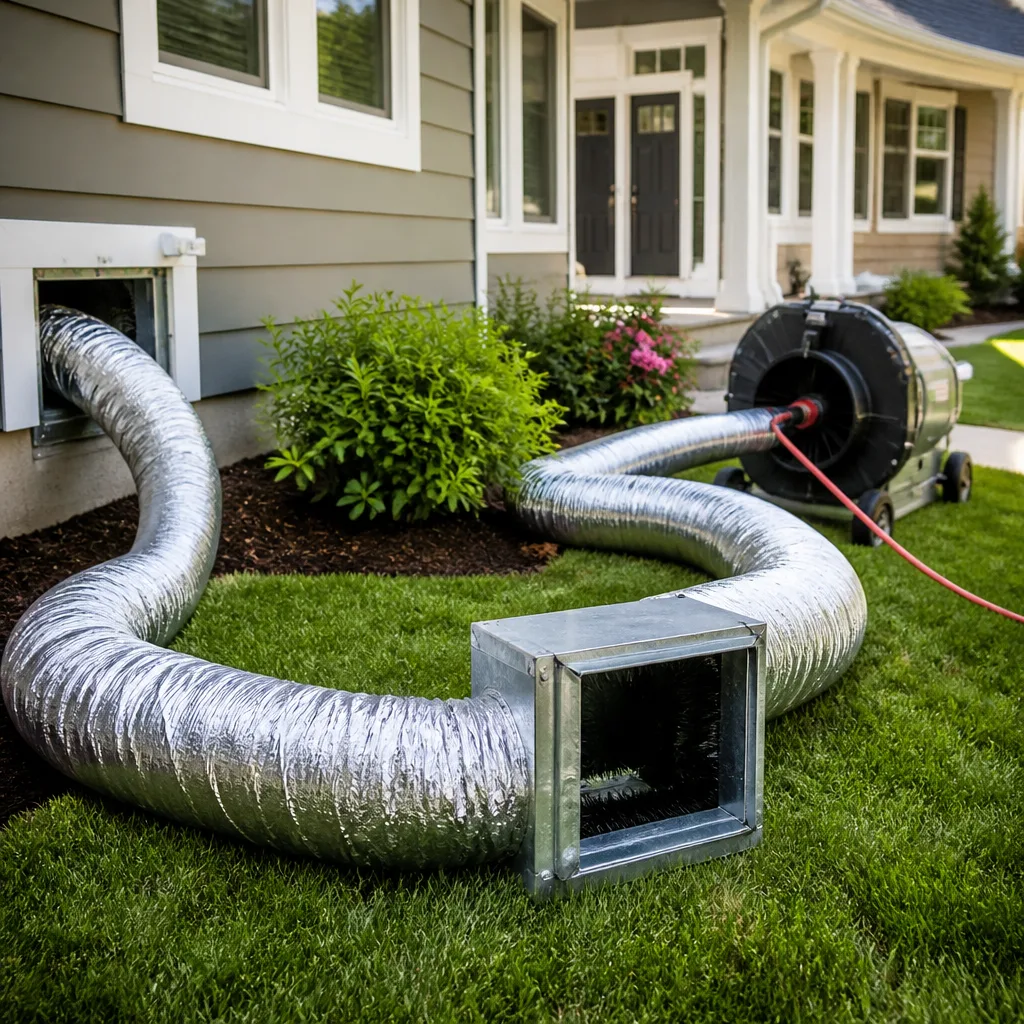
 Whole-home duct cleaning
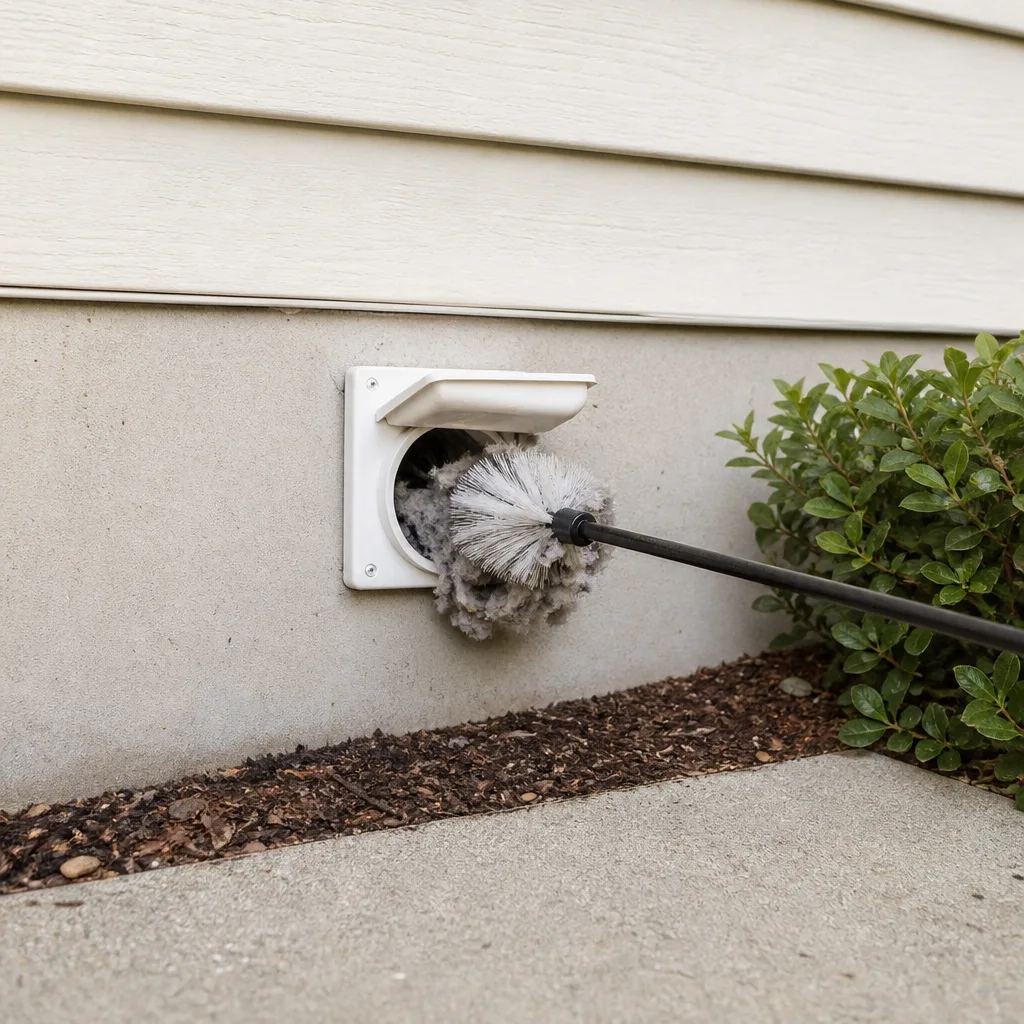 Dryer vent cleaning
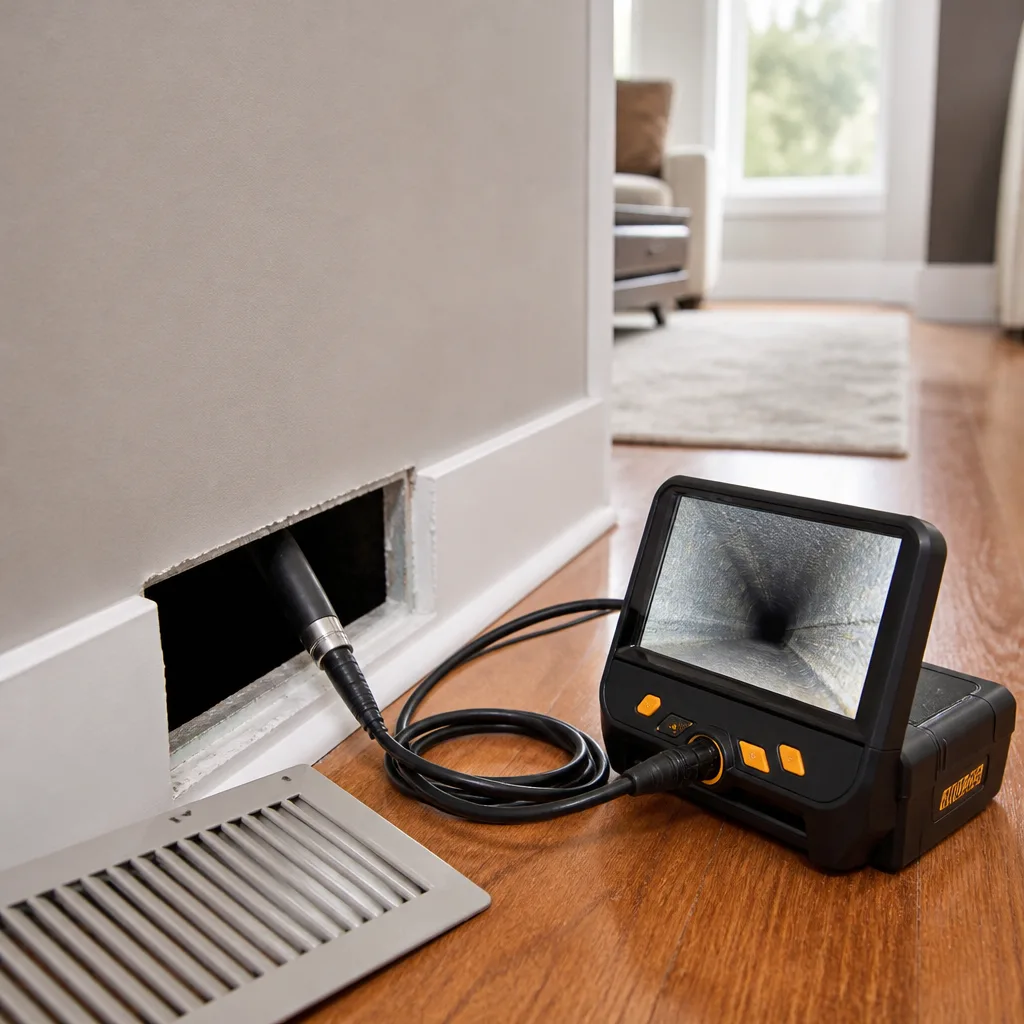 Camera inspection
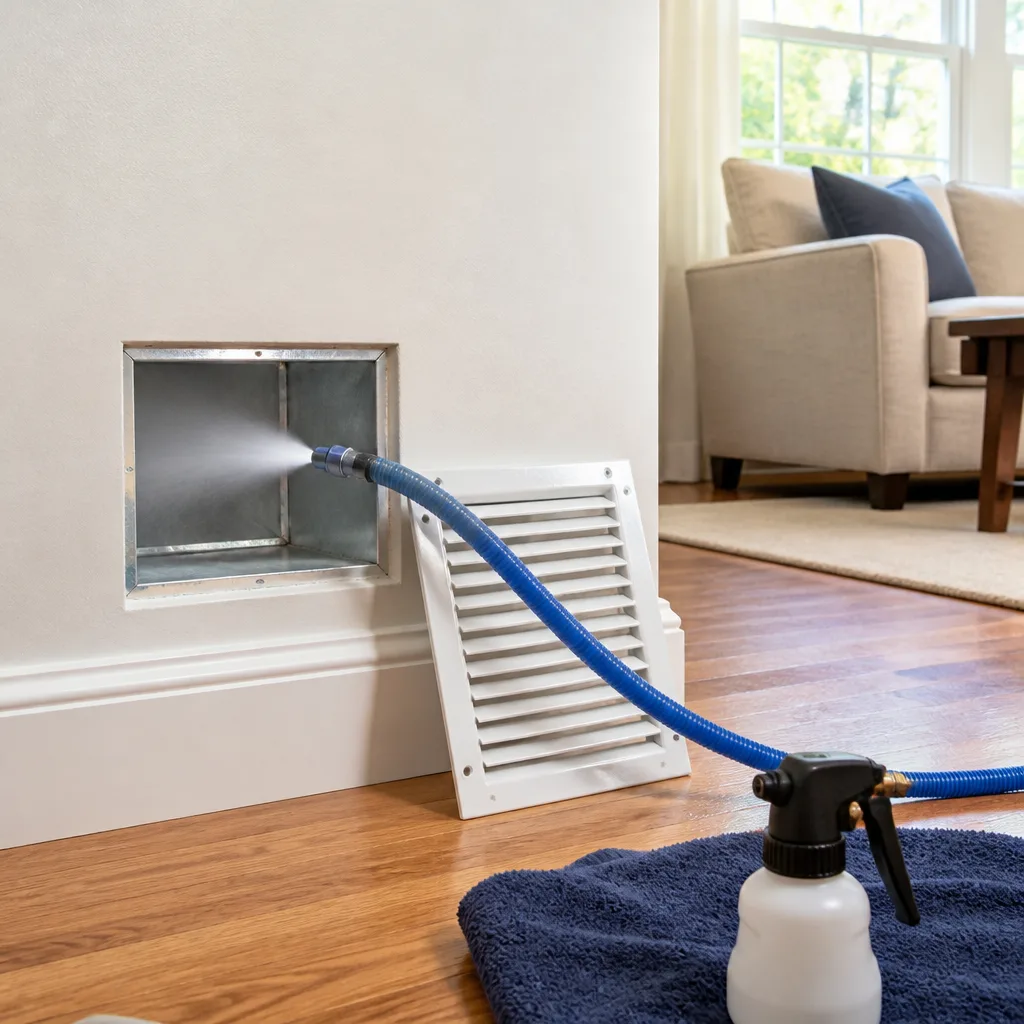 Sanitizing & deodorizing
Whole-system duct and dryer vent check with before-and-after photos - you see exactly what came out of your vents
That "$99 whole-house special" is a bait ad - the real number appears once they are in your hallway, or the "clean" is a shop-vac at the register. We photograph the inside of your ducts before and after instead.
Rotobrush Duct Sealing & Repair: The Yonkers Owner’s Guide
We stock and install Rotobrush-compatible duct sealing components and repair parts across Yonkers, with most sealing and repair jobs running $340 – $690 installed, parts and labor included. Most owners discover the failure the same way: a utility bill that creeps up, a room that never quite reaches temperature, or a musty smell that gets stronger every time the HVAC kicks on. You’ll have a written price before we touch anything, and in most cases we can have your system sealed and back to full performance the same day we diagnose it.
Omar Haddad and our crew work on Rotobrush systems regularly, which means we know exactly which seals, gaskets, and duct collars tend to fail on these units and how to match the right part to your specific model. Clean ducts aren’t a luxury – they’re just the part of your HVAC system nobody thinks about until something goes wrong.
Which Rotobrush Models This Applies To
Rotobrush has shipped several series over the years, and the duct sealing components are not universally interchangeable. The AiR+ and the BOSS series (including the BOSS 2000, BOSS 3000, and the newer BOSS 4000) use different shaft seals and vacuum gaskets than the older Roto-Vision and Roto-Pulse units that are still running in plenty of Yonkers basements. If you have a unit from before roughly 2010, the sealing parts are getting harder to source, and that’s exactly where we’ve spent the most time building our parts relationships.
The quickest way to identify what you need is the serial plate on the back of the unit near the power cord. We’ll ask for that number when you call, plus the hose diameter (most Rotobrush units run a 4-inch or 6-inch intake) and a photo of the failed part. For older units where Rotobrush OEM parts are discontinued, we carry quality aftermarket equivalents that match the original spec, but we’ll always tell you when we’re using aftermarket and why. On newer units, we recommend OEM seals and gaskets because the tolerances are tighter and the performance difference is measurable. Cardinal Air Duct Yonkers is an independent service provider; we’re not affiliated with Rotobrush itself, but we work with their equipment every week.
Styles & brands we work with
Signs Your Rotobrush Duct Sealing & Repair Is Failing
- Dust buildup around the hose connection. When the intake seal starts to degrade, fine dust escapes at the connection point and settles on the floor or nearby surfaces. You’ll see a light film of gray dust even after a cleaning job is finished.
- Reduced suction at the nozzle. A worn vacuum gasket lets air bypass the intake, which drops the negative pressure at the cleaning head by 20 – 40%. If the brush still spins but barely pulls debris, suspect a seal before the motor.
- A whistling or sucking noise from the unit body. Air finding its way through a cracked housing seam or failed shaft seal makes a high-pitched sound that changes with the motor RPM. It’s not a normal operating noise, and it means unfiltered air is leaving the system.
- Musty odor when the unit runs, especially for the first minute or two. Moisture gets past a compromised seal, sits in the filter chamber or hose liner, and breeds mildew. You’ll smell it before you see it in a lot of Yonkers homes where basement humidity runs high.
- Debris bypassing the collection bag. If the bag gasket or clamp ring is worn, you’ll find dust inside the unit body or on the exterior of the canister. That’s the tell that the system hasn’t been truly sealed for a while.
See the difference
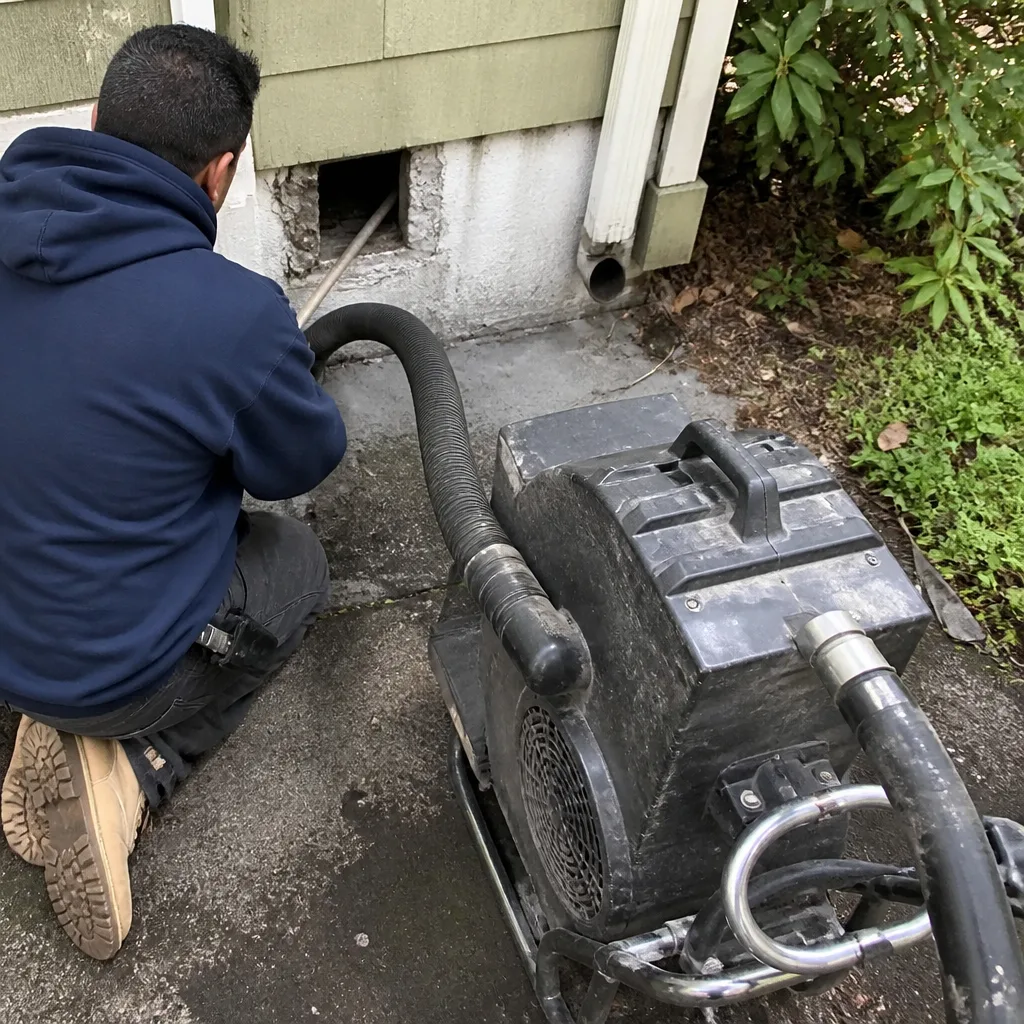 Before
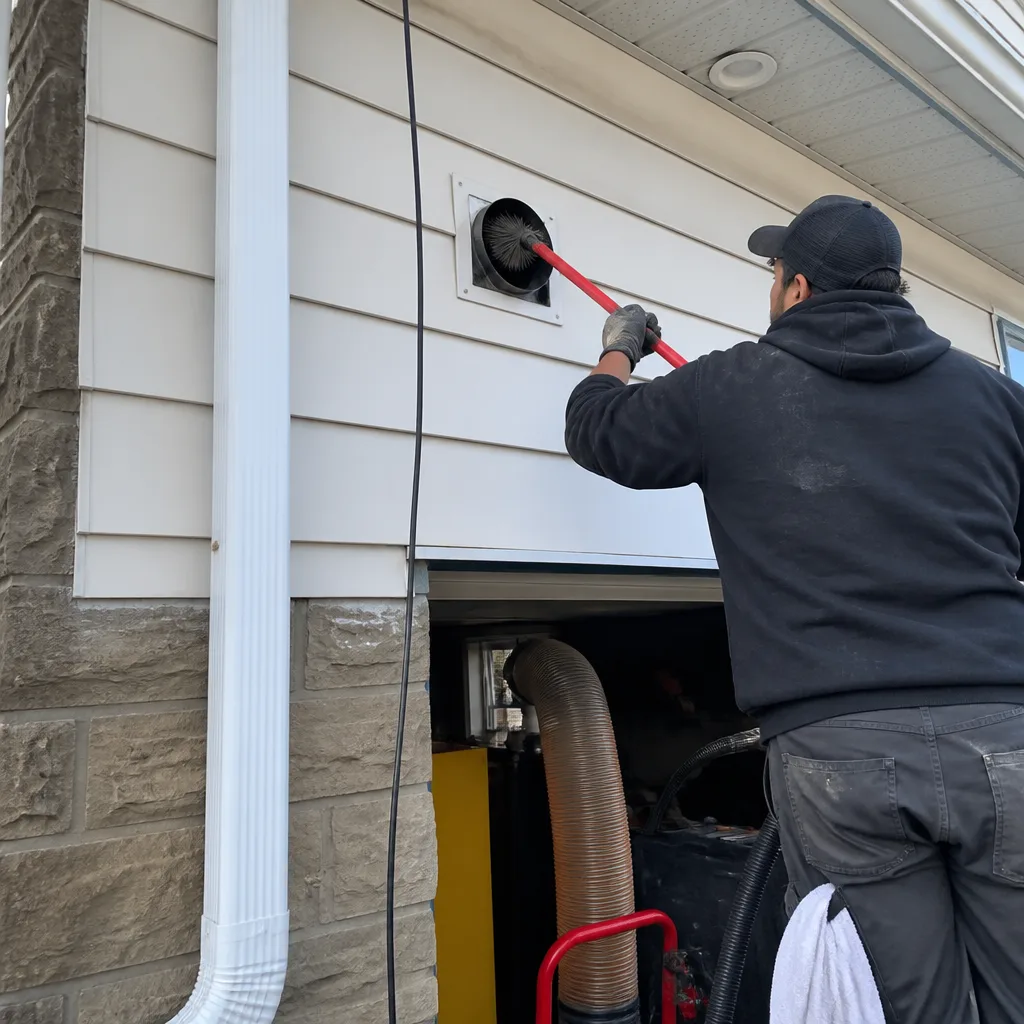 After
After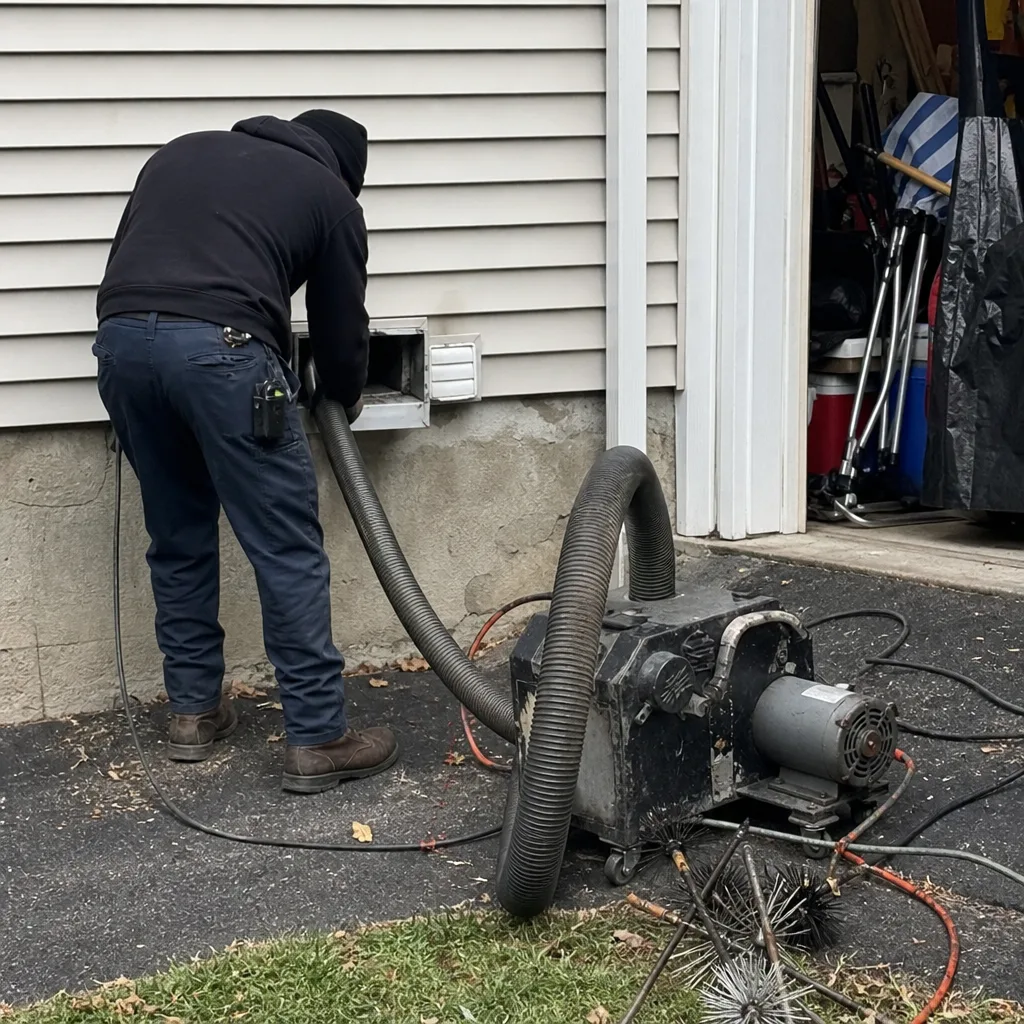 Before
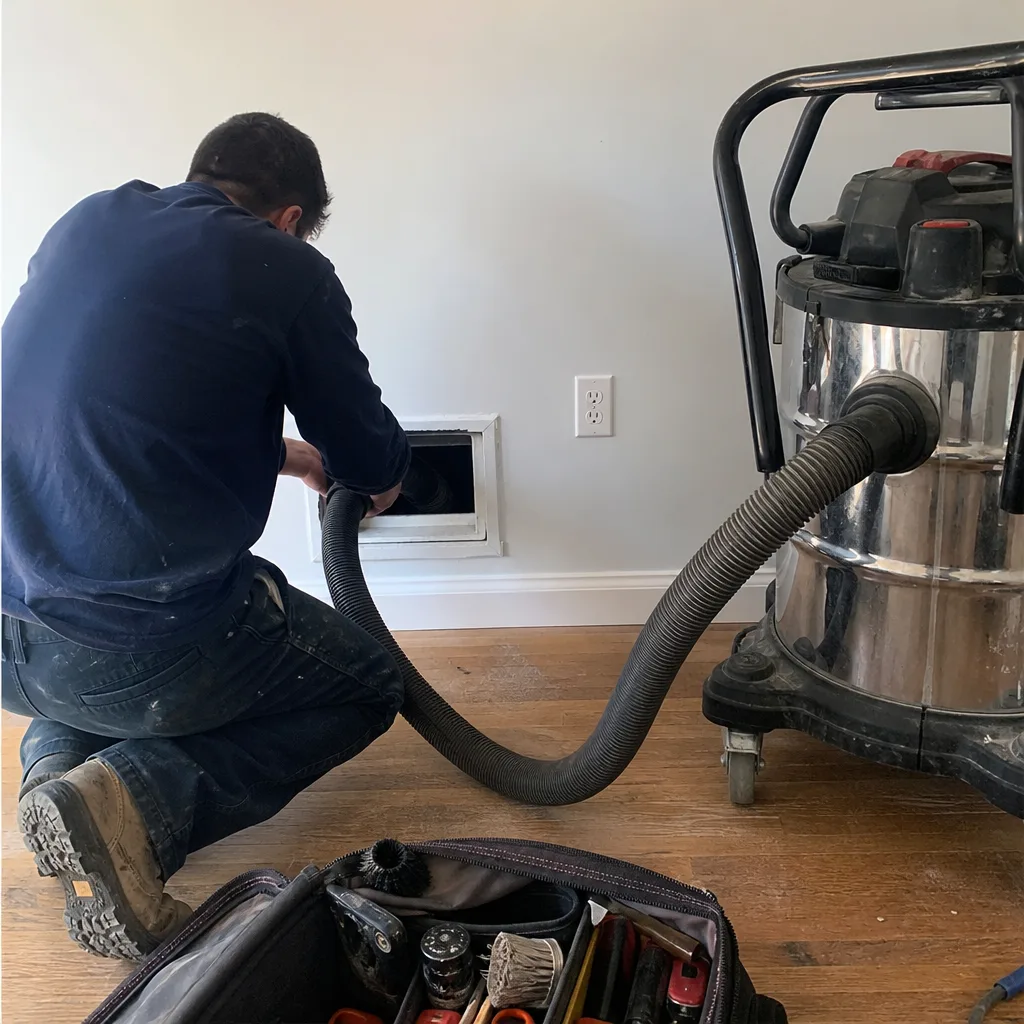 After
After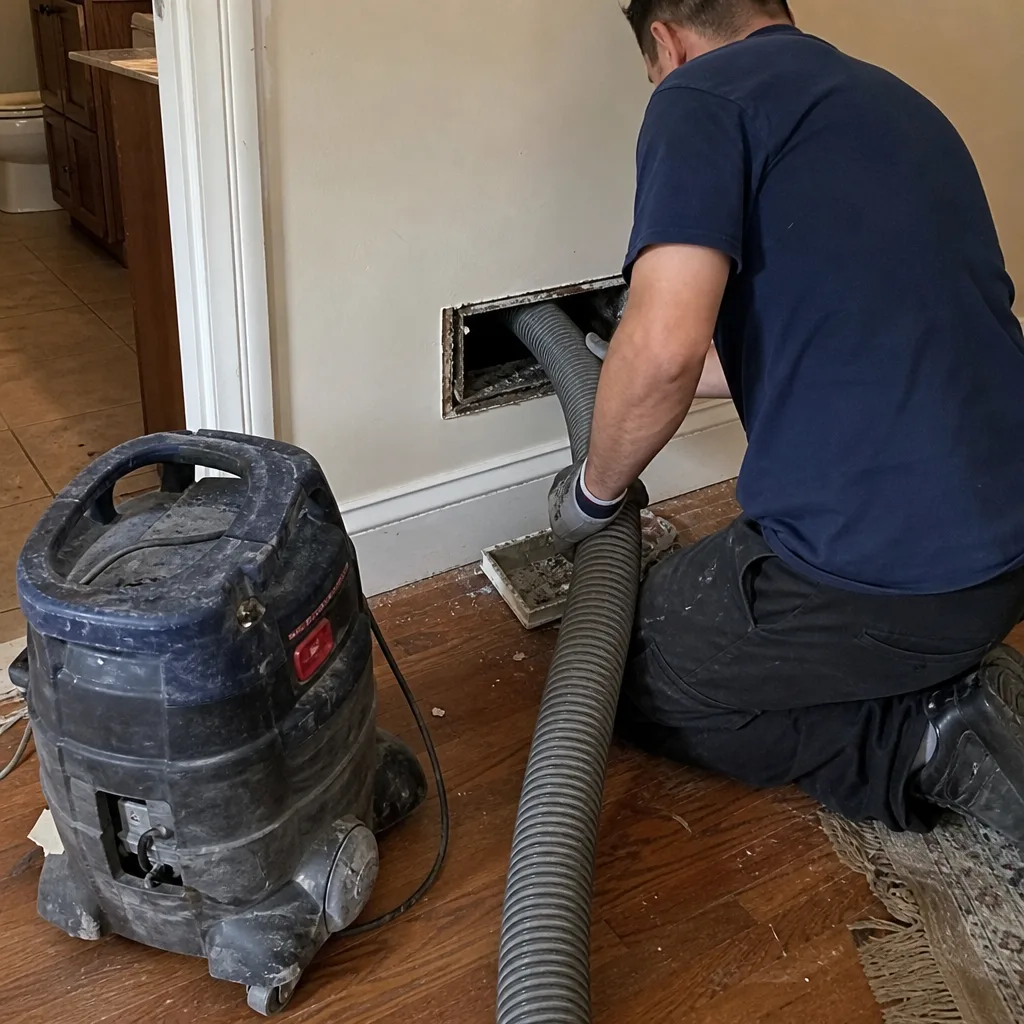 Before
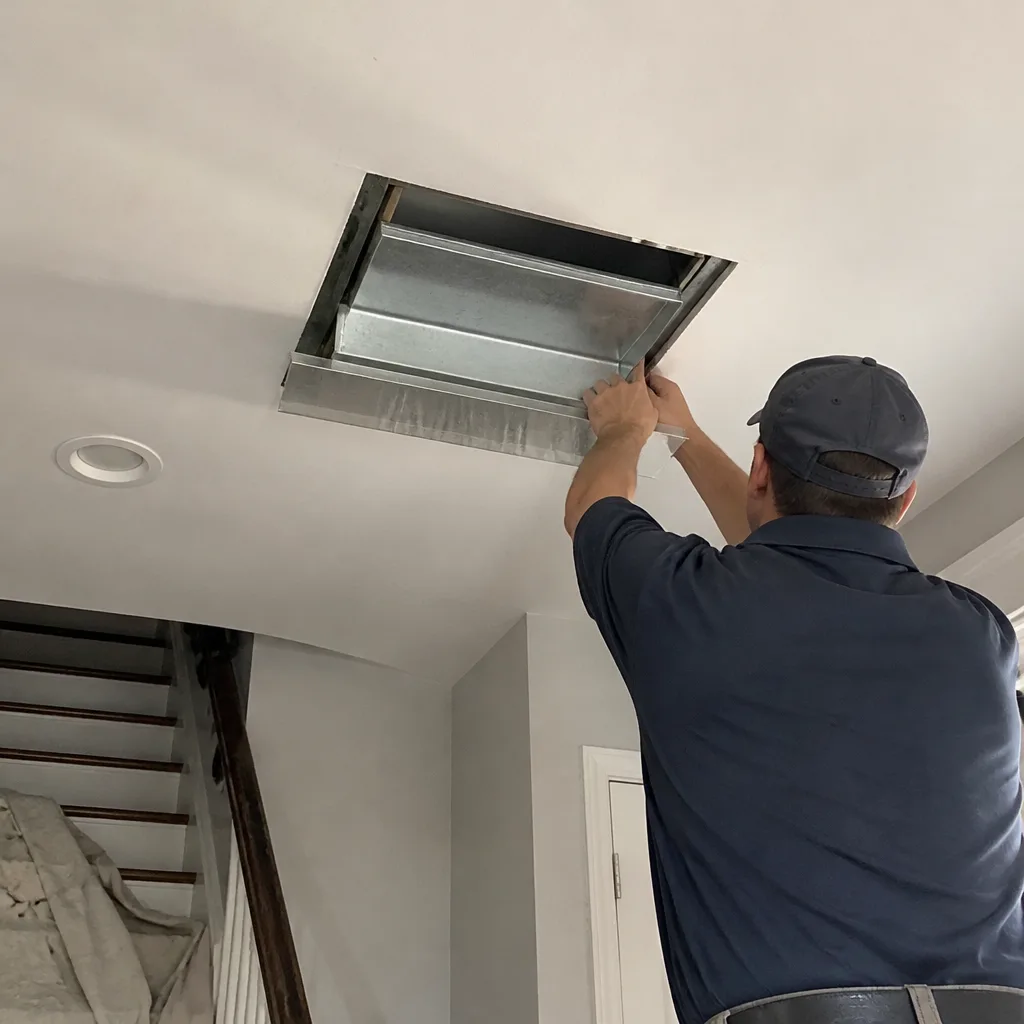 After
AfterReplacement Cost & What’s Included
In Yonkers, a standard Rotobrush duct sealing and repair job runs $340 – $690 installed. The range depends on which series you have, whether we’re replacing a single gasket or a full seal kit, and whether the repair requires opening the unit body or just swapping parts at the hose end. For older BOSS 2000 or Roto-Vision units, expect the lower end of that range; for newer AiR+ units with tighter OEM component pricing, expect the higher end.
What you get for that price: the correct seal or gasket matched to your serial number, the labor to install it properly, a vacuum-pressure test to confirm the fix, and a written guarantee on the repair. If that seal fails within 365 days, we come back and replace it at no charge. That’s the 365-Day Done Right Promise, and it applies to every Rotobrush repair we do in Yonkers, no exceptions and no fine print. You get the written price before work starts, and that number doesn’t change at the door.
DIY or Call Us?
Some things you can safely check yourself: disconnect the unit from power (unplug it, don’t just switch it off), remove the hose, and inspect the connection collar for cracking or compression. If the gasket looks flattened or torn, you’ve found the problem. Regreasing a hose-end collar or tightening the clamp ring is reasonable for a careful owner to attempt.
Where DIY goes wrong is inside the unit body. The shaft seal on a Rotobrush sits close to the motor spindle, and getting it seated correctly requires disassembling the housing in the right order. If it’s done wrong, you’ll have a unit that pulls more air through the motor compartment than through the hose, which shortens motor life and puts dust back into your air. That’s a repair we’ve had to redo after well-intentioned attempts, and it always costs more the second time. If the failure is at the unit body or shaft, call us at (914) 613-6563 and we’ll get it right the first time.
FAQs
On a Rotobrush AiR+ or BOSS unit used regularly in Yonkers, seals and gaskets typically last 3 – 5 years before they start to show measurable wear. In practice, homes with high basement humidity (common in neighborhoods like Nodine Hill and along the Hudson River waterfront) push that number toward the shorter end because the seals absorb moisture and lose their compression faster.
Most gaskets and shaft seals on Rotobrush units are compression-fit components that can’t be meaningfully repaired once they’ve lost their flexibility or cracked. A temporary fix like tightening a clamp or applying sealant might buy you a few weeks, but the only real fix is a new part. That’s why we keep the most common Rotobrush seals in stock on the truck and quote the replacement honestly rather than patching something that will fail again.
A standard seal or gasket replacement on a Rotobrush takes our technicians 45 – 90 minutes on site, including the vacuum-pressure test we run to confirm the repair. Most Yonkers customers schedule us in the morning and have the unit back in service before noon. When you book through Cardinal Air Duct Yonkers, you get the Relay Standard: a live trackable arrival window, before-and-after photos of the work, and a digital invoice you can pay from your phone.
We stock the most common Rotobrush seals, gaskets, and collar clamps on our service trucks, including parts for the AiR+, BOSS 3000, and BOSS 4000 series. For older Roto-Vision and Roto-Pulse units, we usually need 2 – 3 business days to source the right component. Alongside Rotobrush, we service and stock parts for Lennox, Trane, and Carrier systems as well. Call (914) 613-6563 with your serial number and we’ll tell you the lead time before we leave the shop.
If you’re dealing with a Rotobrush that isn’t pulling the way it used to, or you’re seeing dust where it shouldn’t be, call Cardinal Air Duct Yonkers at (914) 613-6563. We’ll match the part to your machine, hand you a written price before any work starts, and stand behind the repair for a full year.
Written by Omar Haddad, Owner, Cardinal Air Duct Yonkers at Cardinal Air Duct Yonkers, serving Yonkers and nearby areas.