
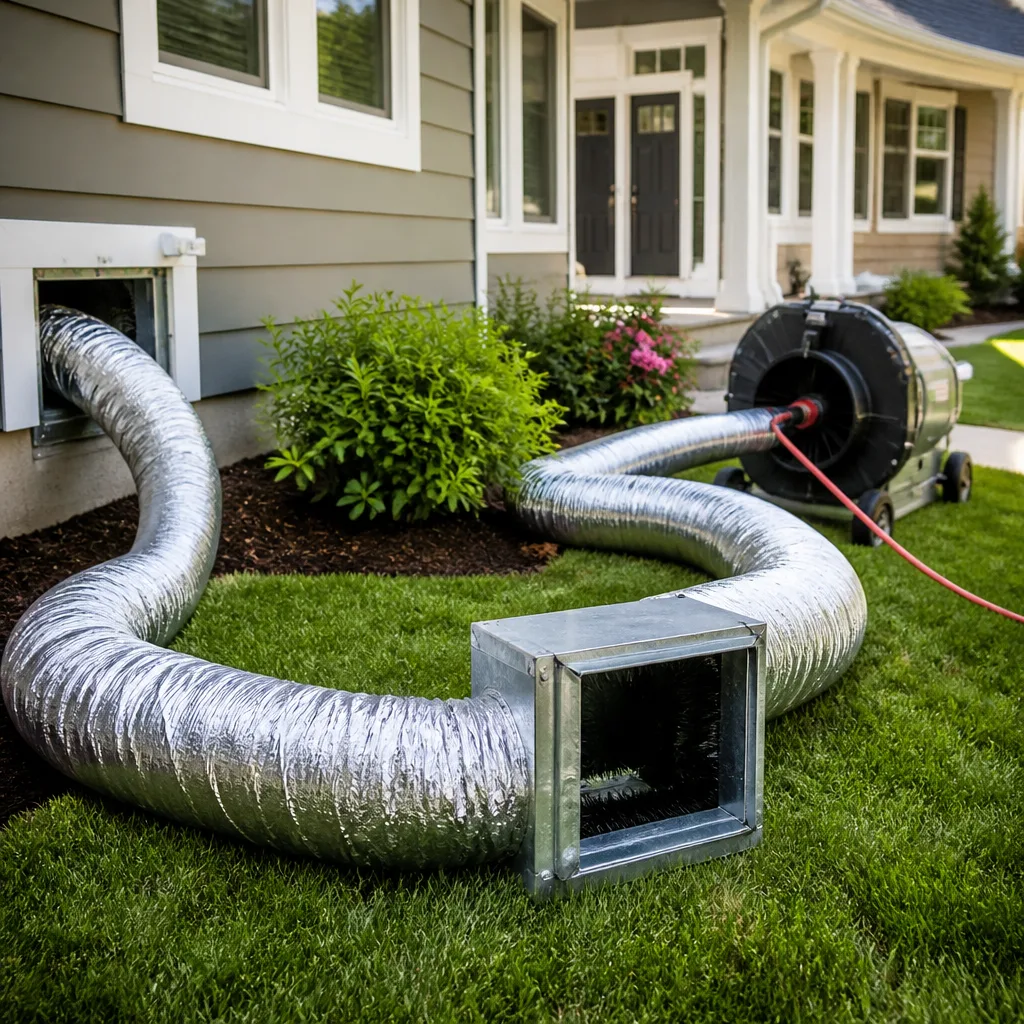
 Whole-home duct cleaning
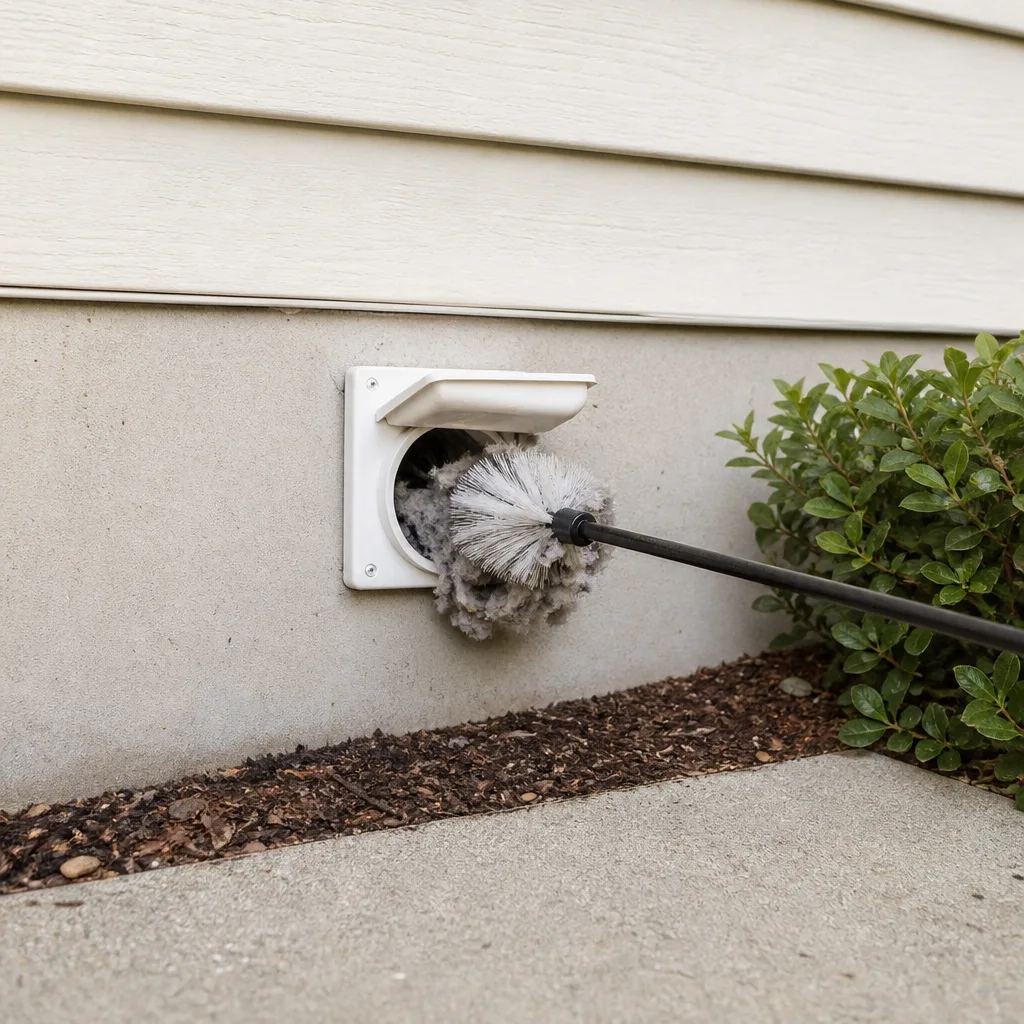 Dryer vent cleaning
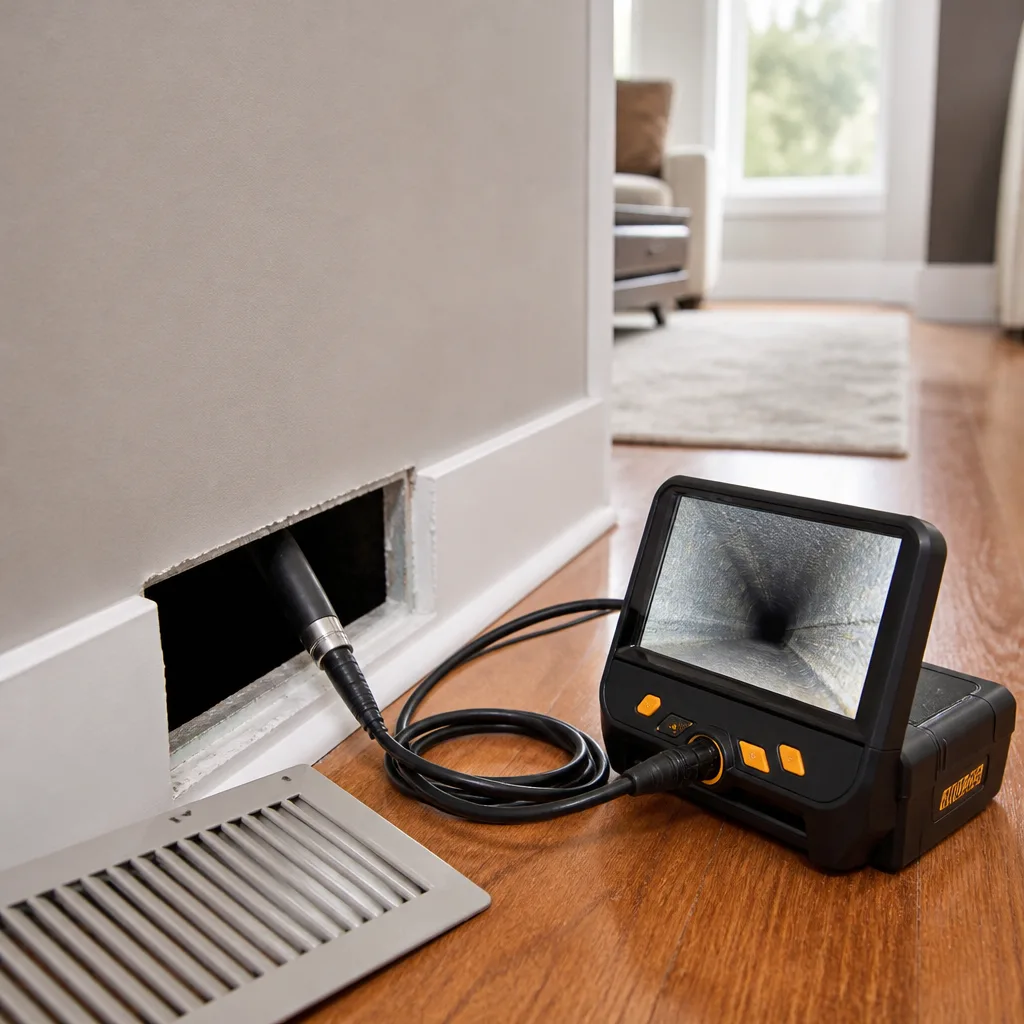 Camera inspection
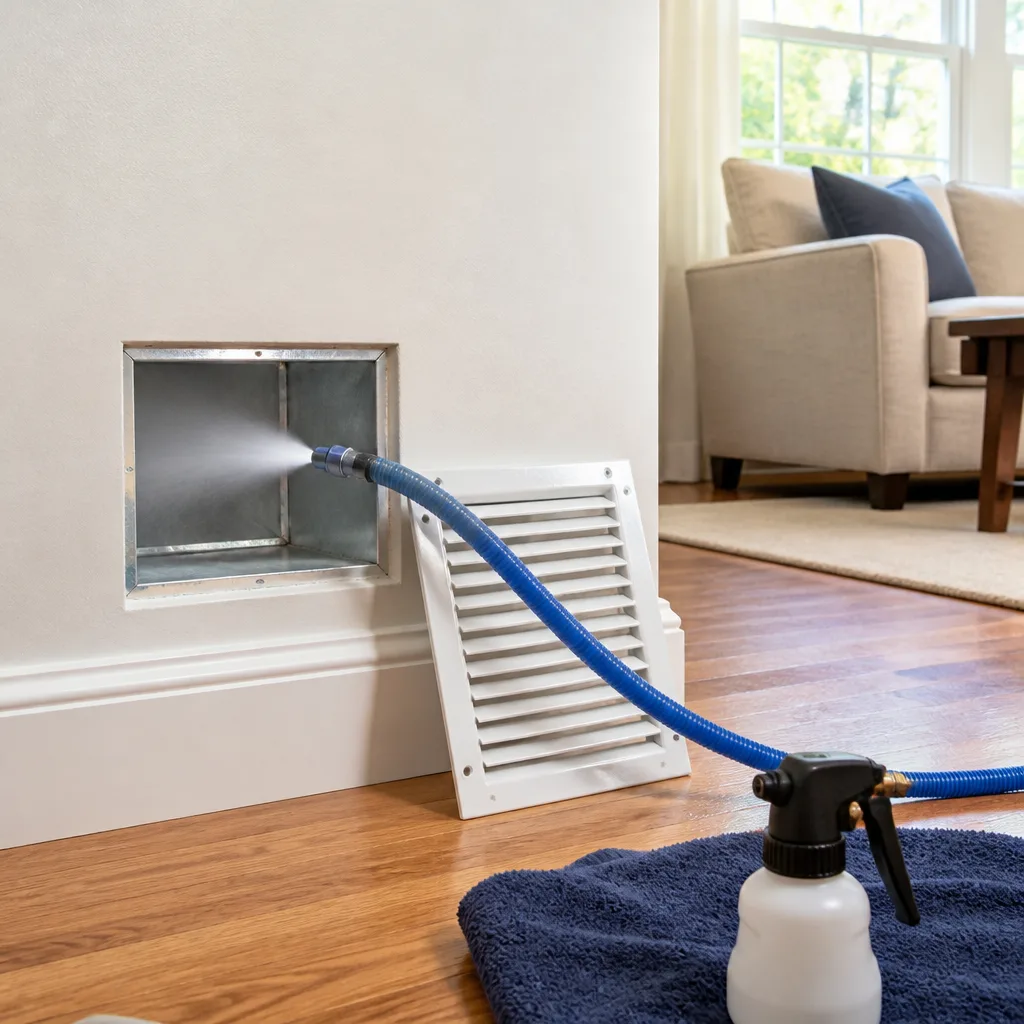 Sanitizing & deodorizing
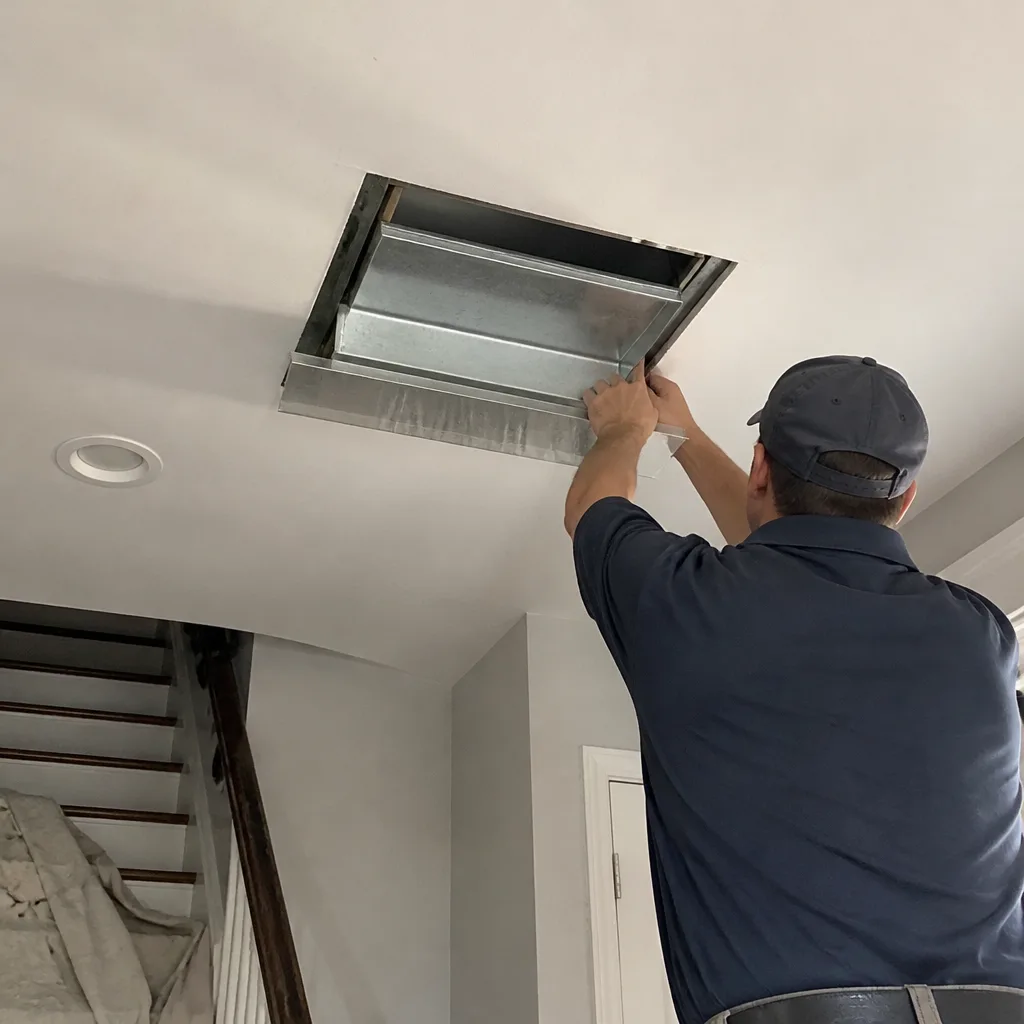
Whole-system duct and dryer vent check with before-and-after photos - you see exactly what came out of your vents
That "$99 whole-house special" is a bait ad - the real number appears once they are in your hallway, or the "clean" is a shop-vac at the register. We photograph the inside of your ducts before and after instead.
Honeywell Coil Cleaning: The Yonkers Owner’s Guide
We stock Honeywell-compatible coil cleaning products and perform evaporator coil cleaning on Honeywell systems throughout Yonkers, with most jobs running $180 – $400 depending on how accessible your coil is and how badly it’s fouled. If your AC is blowing warm or your energy bill spiked in July, a gummed-up coil is one of the first things we check. Here’s what you need to know before you touch that access panel.
Most Yonkers homeowners discover the problem the same way: the AC runs constantly but the house won’t drop below 78, or there’s water pooling under the air handler. That’s the coil telling you it’s suffocating. Honeywell systems, especially the older evaporator coils mounted inside the air handler, collect a film of dust, pet hair, and the grey sludge that forms when condensation mixes with airborne dirt. Once that film thickens past a certain point, airflow drops, heat transfer drops, and your compressor starts working overtime. Which is expensive, and eventually fatal to the compressor.
Key Takeaways
- Honeywell coil cleaning in Yonkers typically runs $180 – $400 installed
- We carry OEM-spec and professional-grade aftermarket coil cleaners in the van
- You’ll know the coil is failing when AC runs constantly but won’t cool, or water pools under the unit
- Skipping coil cleaning shortens compressor life and raises Yonkers electric bills every month it’s neglected
- We’re an independent local service provider, not affiliated with Honeywell
Which Honeywell Models This Applies To
Honeywell has produced evaporator coils across several series lines over the years, and the two you’ll most likely find in Yonkers homes are the Honeywell/Resideo air handler coils paired with Honeywell thermostats and zone panels, and the older Honeywell humidifier and coil configurations found in retrofit HVAC systems from the late 90s through the mid-2010s. If you have a Honeywell coil inside a Rheem, Carrier, or Trane air handler (they OEM’d coils for several major brands), this page applies to you as well.
Here’s the compatibility gotcha most people miss: the coil cleaner we use has to match the coil’s fin material. Older Honeywell coils are copper tube with aluminum fins, and those respond well to standard alkaline coil cleaners. Newer systems sometimes run all-aluminum or microchannel coils, and those need a milder, pH-neutral cleaner. Hit a microchannel coil with the wrong chemical and you’ll corrode the fins before you clean them. That’s why we identify the coil type by label and visual inspection before anything gets sprayed. As for OEM vs aftermarket: Honeywell doesn’t manufacture coil cleaning chemicals themselves. They spec generic solvent and foaming cleaners rated for HVAC evaporator use. We carry professional-grade Nu-Calgon and DiversiTech products in the truck, both acceptable for Honeywell coil service, and we’ll tell you exactly what we’re using and why before we start.
Styles & brands we work with
Signs Your Honeywell Coil Cleaning Is Failing
- AC runs nonstop but the house won’t cool below the mid-70s. The coil is so coated that refrigerant can’t absorb heat from the air passing over it. The system is running, but it’s just burning electricity without moving heat.
- Water pooling under the air handler or forming puddles on the utility room floor. A dirty coil blocks condensation from draining properly. When the condensate pan backs up, water finds its own way out. In Yonkers basements, this often shows up as a rusty stain on the concrete.
- Your July and August electric bills climbed $40 – $80 over last year with no change in usage. A fouled coil forces the compressor to run longer cycles to hit the same thermostat setting. Longer cycles, more kWh, more money to Con Ed.
- Ice forming on the copper lines where they enter the air handler. Restricted airflow across the coil drops the refrigerant temperature below freezing. The coil ices over, which makes airflow even worse, which makes more ice. It’s a death spiral for the compressor.
- Musty, dirty-sock smell when the air kicks on. The biofilm that accumulates on a dirty coil holds moisture, and moisture breeds bacteria. What you’re smelling is the coil’s ecosystem. In Yonkers where summer humidity runs high, this smell is a warning sign, not a nuisance.
See the difference
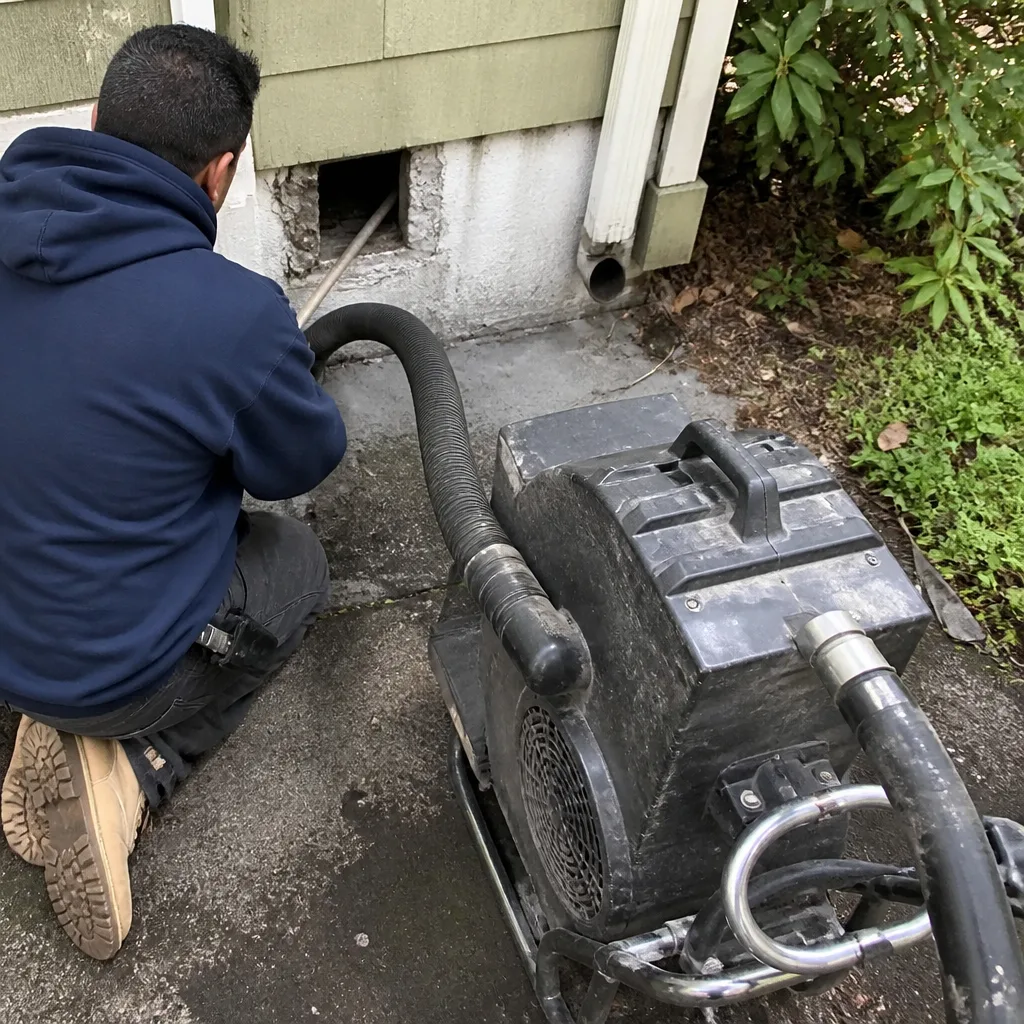 Before
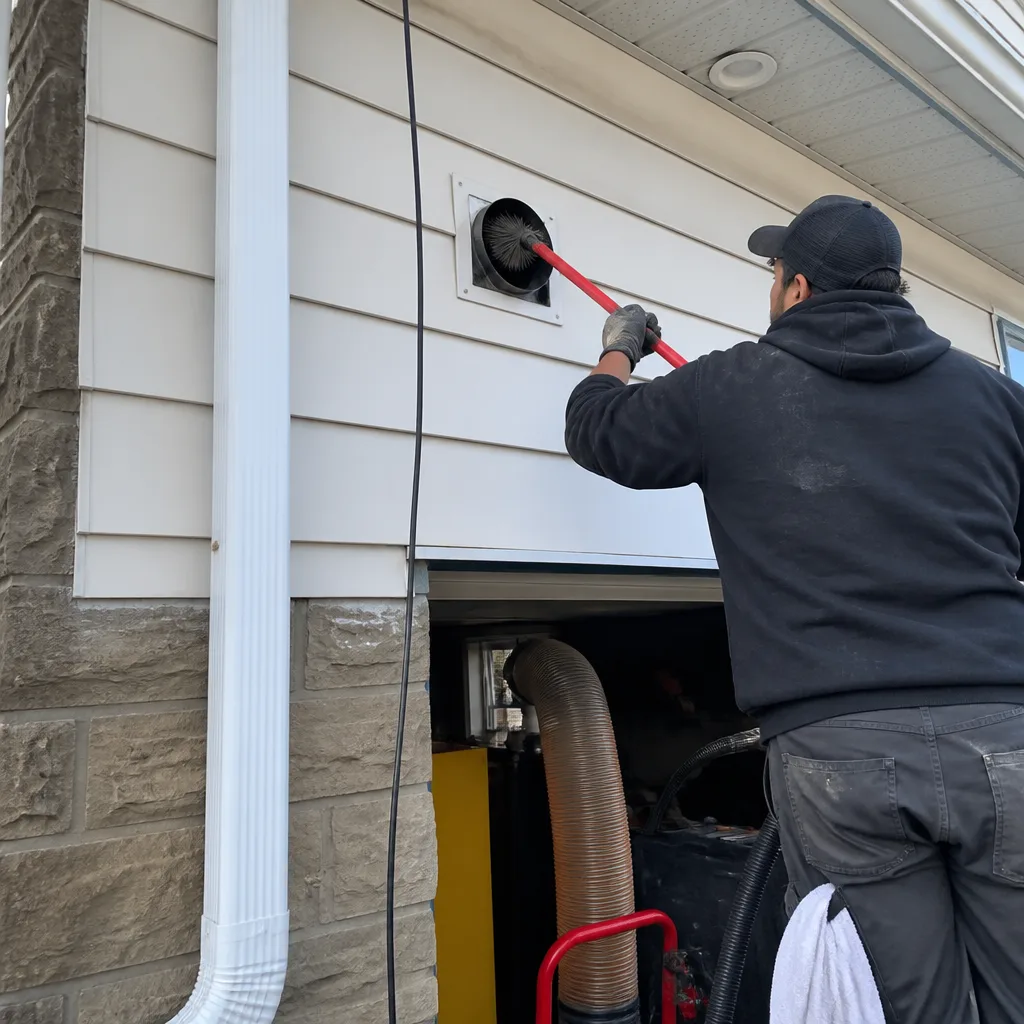 After
After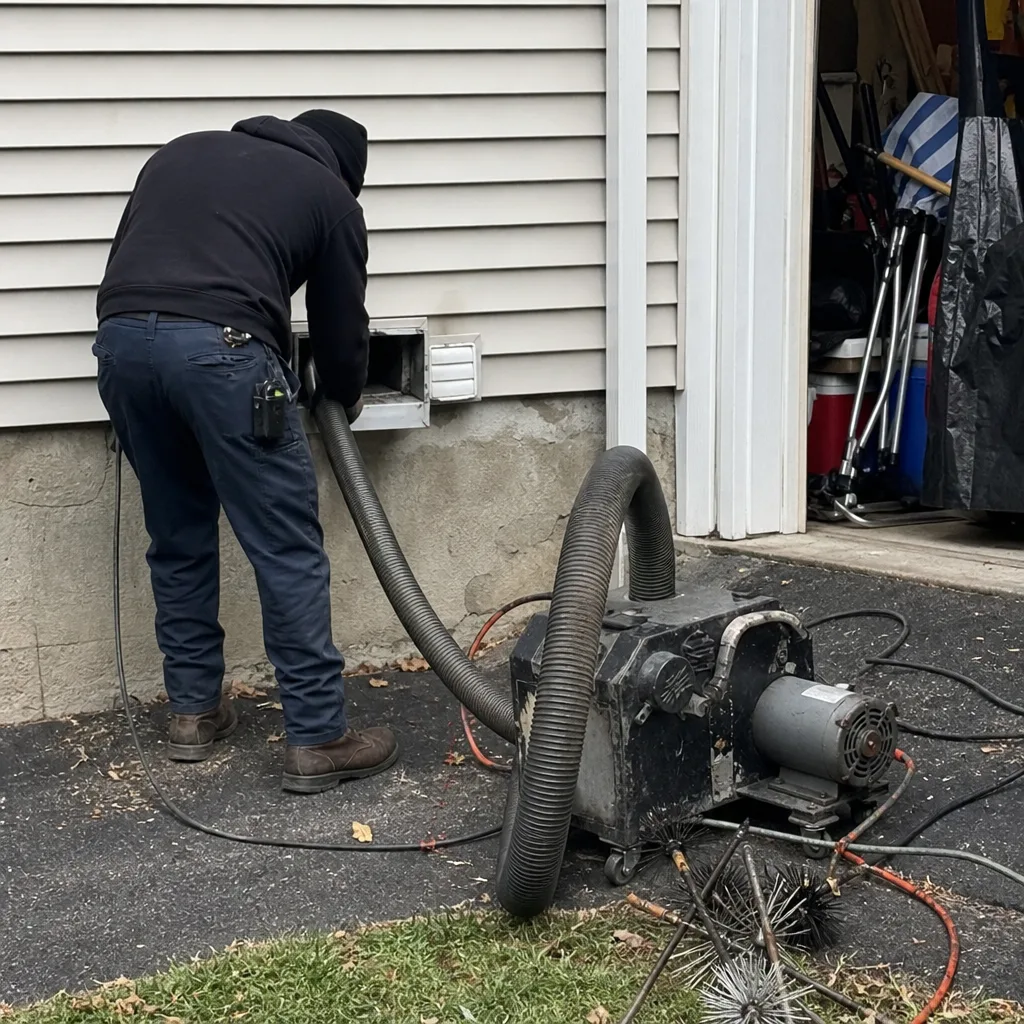 Before
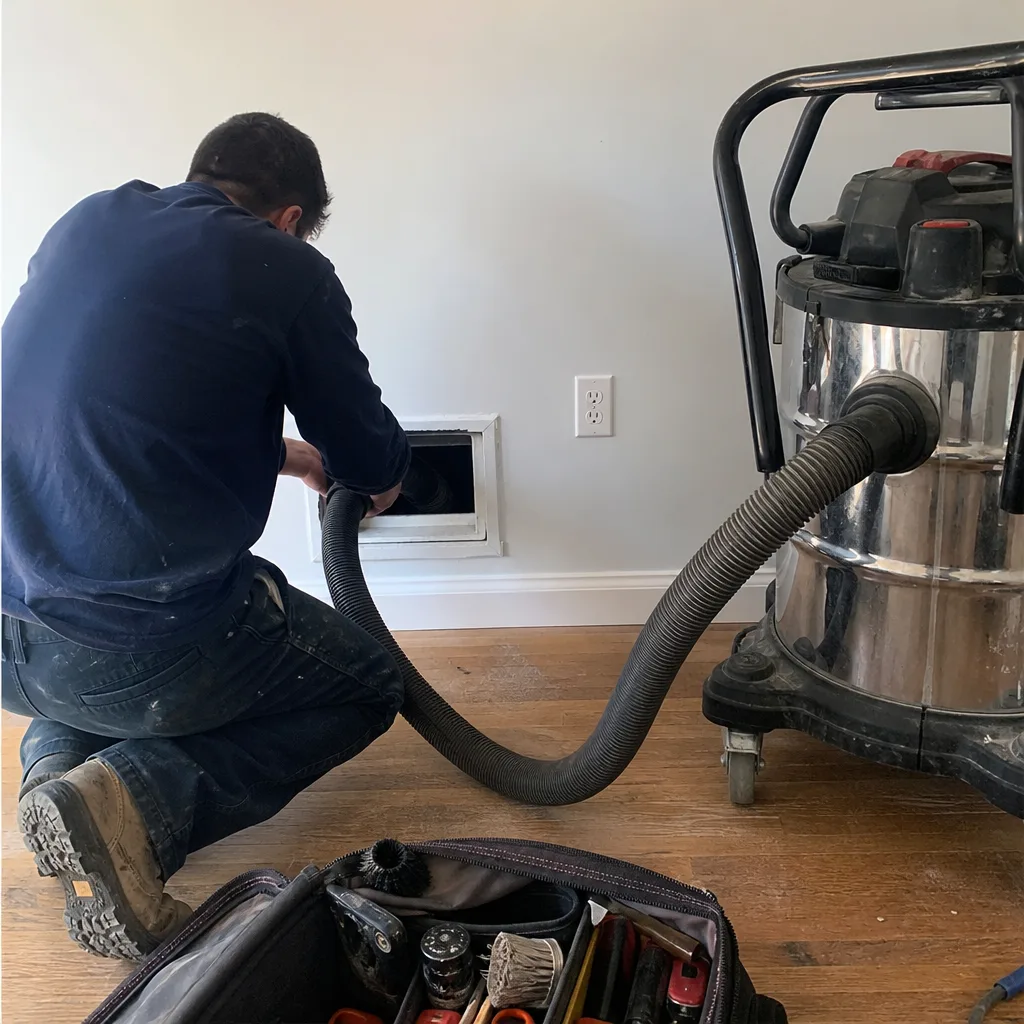 After
After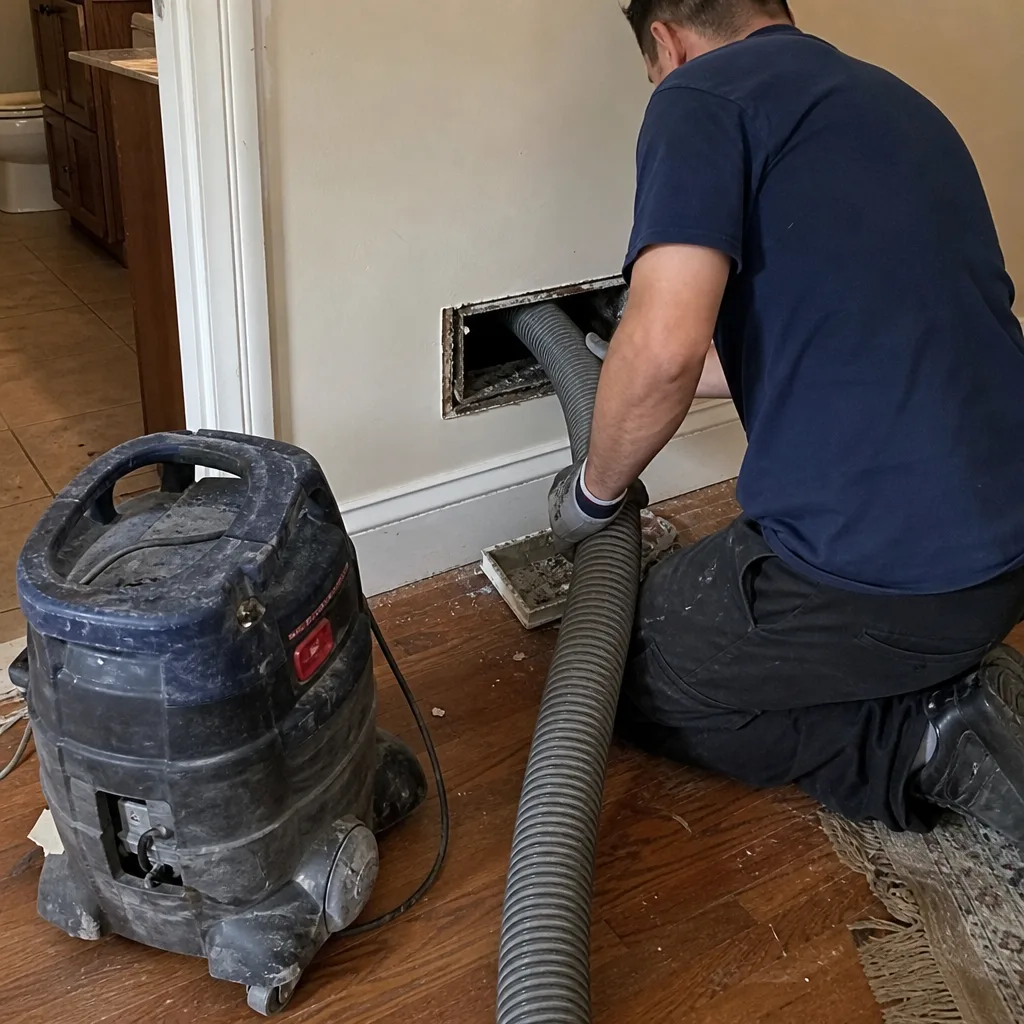 Before
 After
AfterReplacement Cost & What’s Included
In Yonkers, a Honeywell coil cleaning runs $180 – $400 for most residential systems. The range comes down to three things: access (closet air handler vs attic unit vs basement with clearance), coil condition (light dust vs a mat of hair and sludge that’s been building since the Obama administration), and whether we need to remove and reinstall the access panel, insulation, or surrounding cabinet work.
Every quote includes the cleaning chemical matched to your coil type, fin combing if fins are bent, condensate pan cleaning, and drain line flush. We hand you a written price before any work starts, and that price does not change at the door. The work is backed by the 365-Day Done Right Promise: if the coil isn’t cleaned right within a year, we come back and correct it at no charge. No fine print, no pro-rated nonsense.
What Affects Your Price
- Coil location: Attic and crawlspace access adds labor. Closet air handlers are fastest.
- Coil type: Microchannel coils need gentler (and slightly pricier) cleaning chemistry.
- Coil condition: Light dust = one pass. Matted hair and sludge = multiple passes and fin combing.
- Drain line condition: If the condensate line is clogged, we flush it while we’re in there.
DIY or Call Us?
You can absolutely change your air filter without us, and you should, roughly every 60 – 90 days in Yonkers where pollen season lingers and summer construction dust doesn’t help. You can also visually inspect the coil if you’re comfortable removing the access panel with power to the unit cut at the breaker.
What you shouldn’t do is spray household cleaners, bleach, or whatever you found under the sink onto the coil. Those chemicals eat aluminum fins, and the fumes circulate through your ductwork into the house. Coil cleaning involves chemicals rated for HVAC use, proper rinsing, and in most cases removing the panel and working in a tight space with the right tools. It’s not electrical-heat-pump dangerous, but it is easy to bend fins, crack a drain pan, or leave chemical residue where it shouldn’t be. If you’ve read this far and you’re still not sure, call us at (914) 613-6563 and we’ll walk you through what we see when we open it up.
FAQs
Every 2 – 3 years for most Yonkers homes, and every year if you have pets, old ductwork, or central air running constantly from May through September. The coil sits downstream from your filter, but no filter catches everything, and the condensation makes the coil a magnet for whatever gets through.
Yes, cleaning is the repair. A coil that’s dirty but not leaking, not corroded through, and not physically damaged from freezing is a candidate for professional cleaning. In most cases, we clean it, fin-comb it, flush the drain line, and you’ve just avoided a $1,500+ replacement coil.
Most Honeywell coil cleanings in Yonkers take 60 – 90 minutes from opening the panel to testing the system after reassembly. If there’s a drain line clog or frozen coil, we may need additional time to thaw and flush. You’ll get the written price before we start, so there are no surprises on the invoice.
Yes. We carry Nu-Calgon and DiversiTech coil cleaners rated for copper, aluminum, and microchannel coils. If we arrive and find something unusual, our Yonkers shop is minutes away and we keep the full range of professional-grade cleaning chemistry on hand. Call (914) 613-6563 and we’ll tell you exactly what we’ll bring for your system.
Written by Omar Haddad, Owner, Cardinal Air Duct Yonkers at Cardinal Air Duct Yonkers, serving Yonkers and nearby areas.