
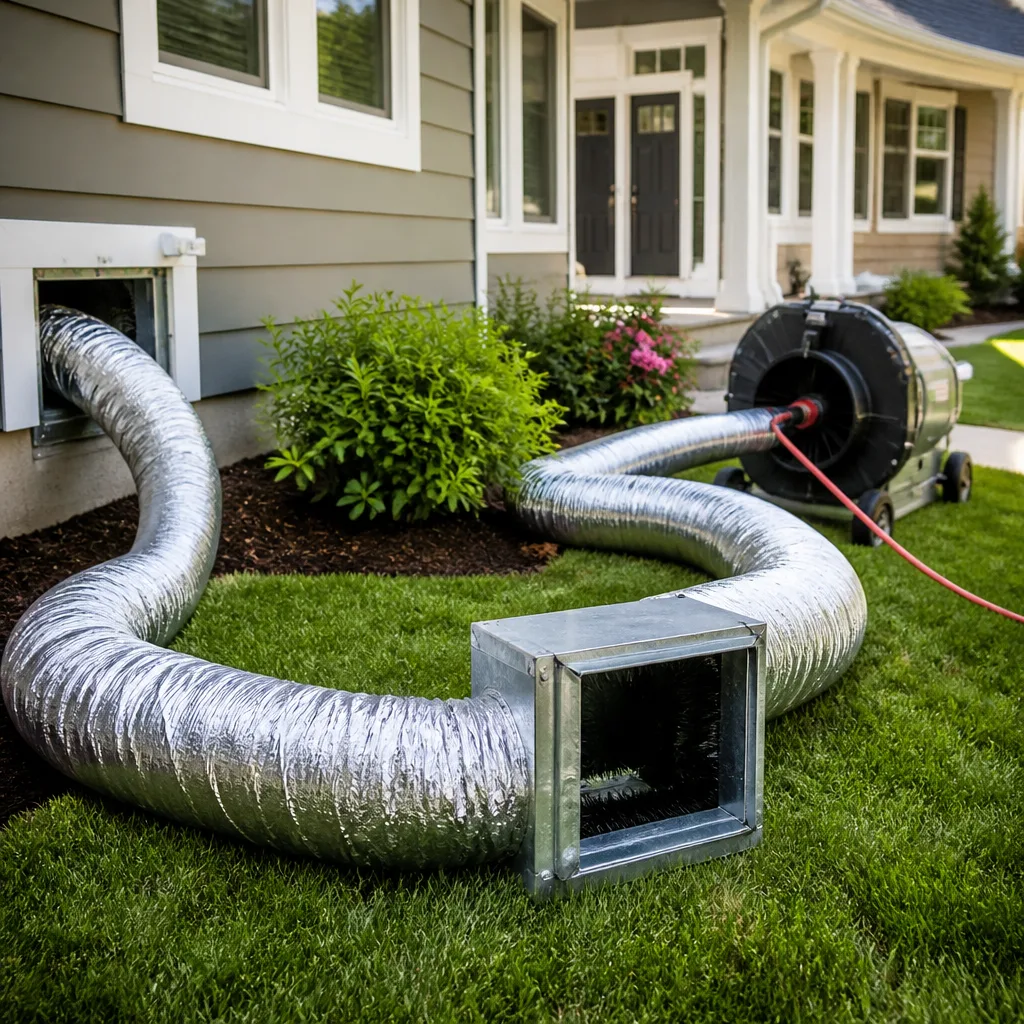
 Whole-home duct cleaning
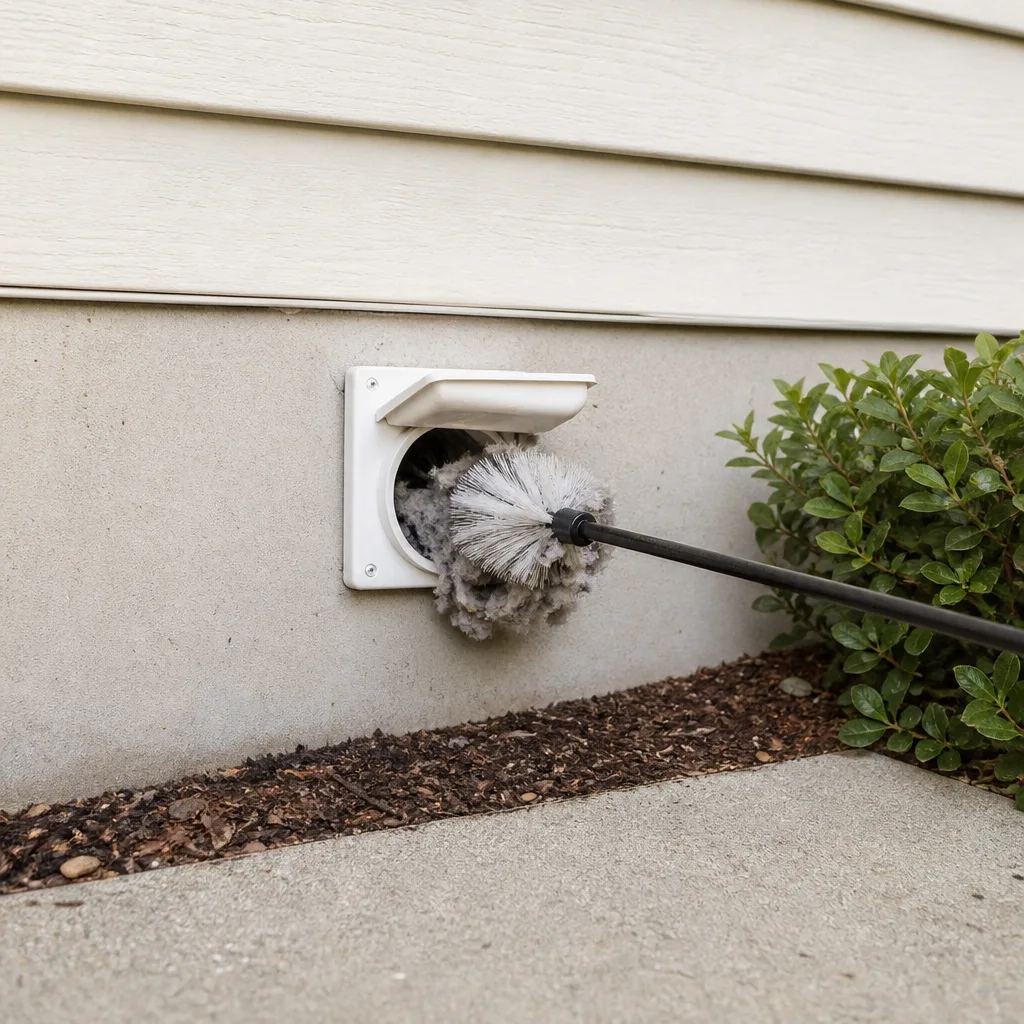 Dryer vent cleaning
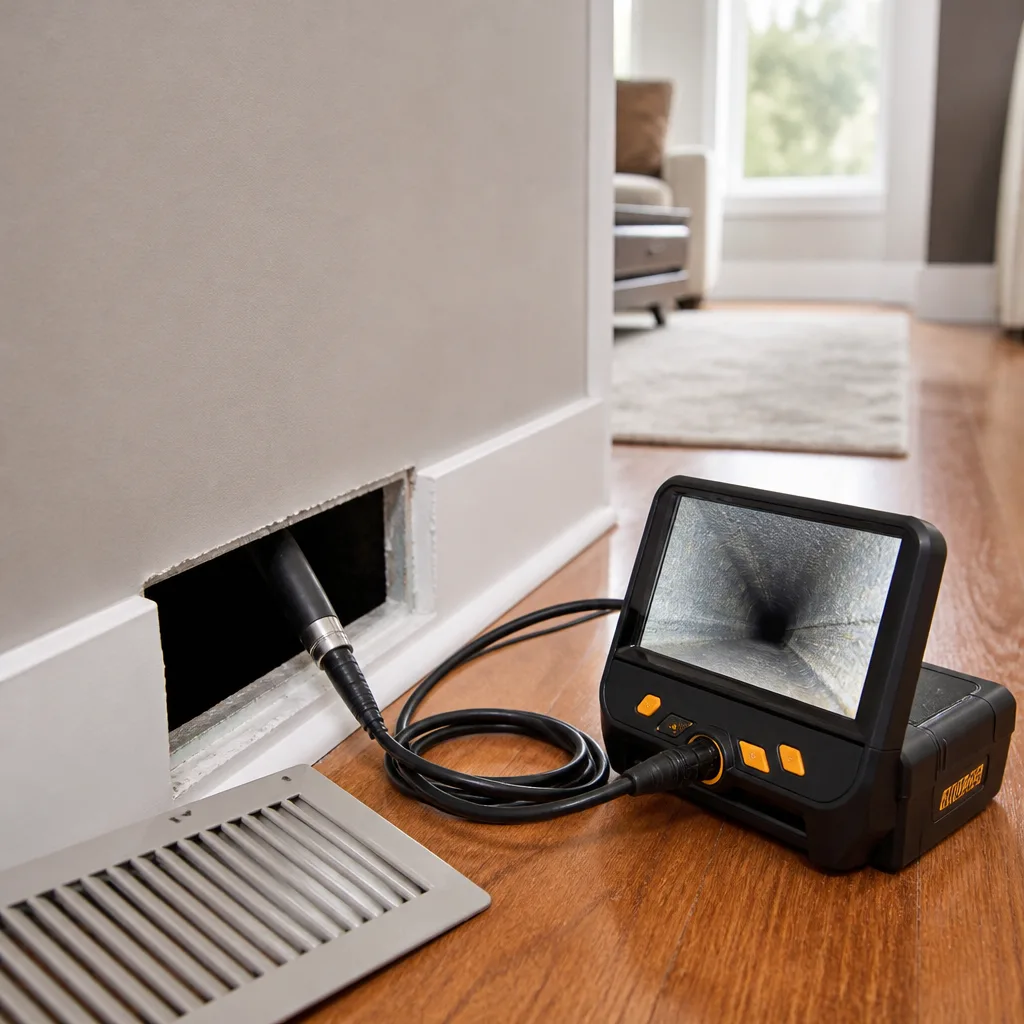 Camera inspection
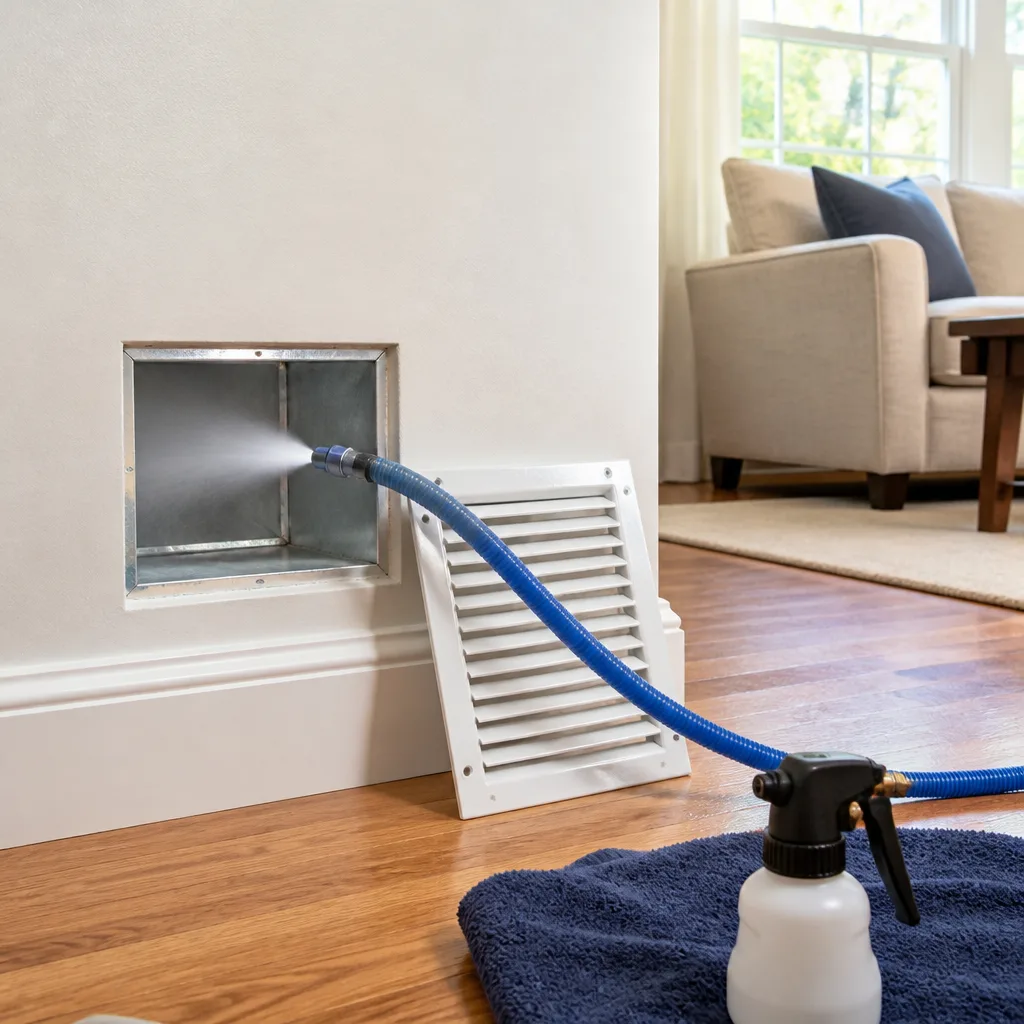 Sanitizing & deodorizing
Whole-system duct and dryer vent check with before-and-after photos - you see exactly what came out of your vents
That "$99 whole-house special" is a bait ad - the real number appears once they are in your hallway, or the "clean" is a shop-vac at the register. We photograph the inside of your ducts before and after instead.
Nikro Vent Sanitizing: The Yonkers Owner’s Guide
If your Nikro vent sanitizing unit has stopped fogging, is tripping its breaker, or the pump runs but nothing comes out of the nozzle, you’re in the right place. We stock Nikro-compatible sanitizing parts and complete replacement units here in Yonkers, with most installed swaps running $240 – $480 depending on the model and what’s actually failed. We carry the common failure parts on our trucks, so a scheduled visit usually means the job is done that day, not after a week of waiting on a backordered component.
Here’s how most Yonkers homeowners find us: they’ve owned a Nikro unit for years, it worked fine every spring and fall, and then one day the fogger barely whispers instead of producing that fine mist. The pump hums, the LED blinks, but nothing moves through the lines. Or worse – the unit starts leaking sanitizing solution down the side of the cabinet and onto the floor. Omar Haddad has seen enough of these units opened up to know exactly what fails and in what order, and we’ll walk you through it below.
Which Nikro Models This Applies To
Most Nikro vent sanitizing in Yonkers homes falls into two groups: the portable fogger units (the ones that look like a small canister with a hose and nozzle, used by homeowners and techs alike) and the inline sanitizing modules that mount into the ductwork near the air handler. The portable units, especially the older Nikro fogger series that predate the current model lines, share a common Achilles heel: the liquid pump diaphragm hardens after 3 to 5 years of intermittent use, especially in Westchester homes where the humidity swings from dry winter furnace air to swampy August. That hardening is why the pump runs but produces only a weak sputter instead of a full fog.
Model identification matters here, and it’s not always obvious. Nikro stamps the model and serial on the bottom of the portable units, not the side, so you’ll likely need to lift the unit to read it. For inline modules, the tag sits on the mounting bracket, facing the duct, which means you may need a mirror or a phone camera to catch it. We’ll want that model number and the voltage rating before we quote, because Nikro has produced both 115V and 230V variants over the years and the wrong pump on the wrong voltage is a fast way to ruin a new part. On the OEM versus aftermarket question: for Nikro pumps and solenoids, we install OEM when the unit is still under warranty or when the failure is electrical; for simple gasket and filter swaps, a quality aftermarket equivalent is usually indistinguishable in practice and costs about 30% less. We’ll show you both options and let you choose. Cardinal Air Duct Yonkers is an independent service provider and not affiliated with Nikro Industries, which means we stock parts from multiple supply lines rather than being locked into one distribution channel.
Styles & brands we work with
Signs Your Nikro Vent Sanitizing Is Failing
- The fog is thin or sputtering instead of a fine mist. This almost always traces to a worn pump diaphragm or a partially clogged nozzle. The pump loses its ability to build consistent pressure, so the solution comes out in droplets rather than aerosolized fog. If you’ve changed sanitizing solutions recently, a thicker solution can also be the cause, but a diaphragm that’s lost its flex is the usual culprit on units older than four years.
- The unit leaks solution from the base or seams. The internal tubing connections loosen over time as the unit gets moved, and the rubber grommets where the hose meets the pump body eventually dry out. In Yonkers basements that sit below grade along the Saw Mill River corridor, the constant damp air accelerates that rubber aging noticeably compared to a unit stored in a finished closet.
- The breaker trips the moment the switch is thrown. This is the symptom we never tell anyone to ignore. A shorted heating element or a failing pump motor can draw far more current than the unit’s rating, and that’s a fire hazard waiting for the wrong moment. Kill power to the outlet and don’t plug it back in until someone has opened it up.
- The unit runs but produces no visible output at all. You can hear the pump but nothing reaches the nozzle, which usually means an internal line has separated from a fitting, or the pickup tube has cracked where it enters the solution reservoir. The pump is trying, but it’s pulling air instead of liquid.
- A burnt smell during operation, even faint. Some units ship with a heating element that warms the sanitizing solution to improve fog density. When that element’s insulation breaks down, you’ll get a hot, chemical-laced smell that’s distinct from the sanitizer’s normal odor. It’s a replace-the-element situation, not a clean-it-and-continue one.
Replacement Cost & What’s Included
For a portable Nikro fogger in Yonkers, you’re typically looking at $240 – $320 installed when the failure is a pump diaphragm, gasket set, or pickup tube. If the unit needs a new pump motor or heating element, expect $300 – $420. Inline duct-mounted sanitizing modules run higher – usually $380 – $480 installed – because the labor involves opening the ductwork, cleaning the mounting surface, and resealing everything correctly. The honest answer about the range is that we can’t quote a firm number until we see the model number, but we can and do hand you a written price before any work begins, and that number does not change when we get the cabinet open.
Every Nikro vent sanitizing replacement we do in Yonkers includes the part, the labor, a function test with your sanitizing solution, and a written guarantee on the repair. If that repair fails, the second visit is free – no diagnostic fee, no parts markup, no fine print. That’s our 365-Day Done Right Promise applied to every job, not a select few.
See the difference
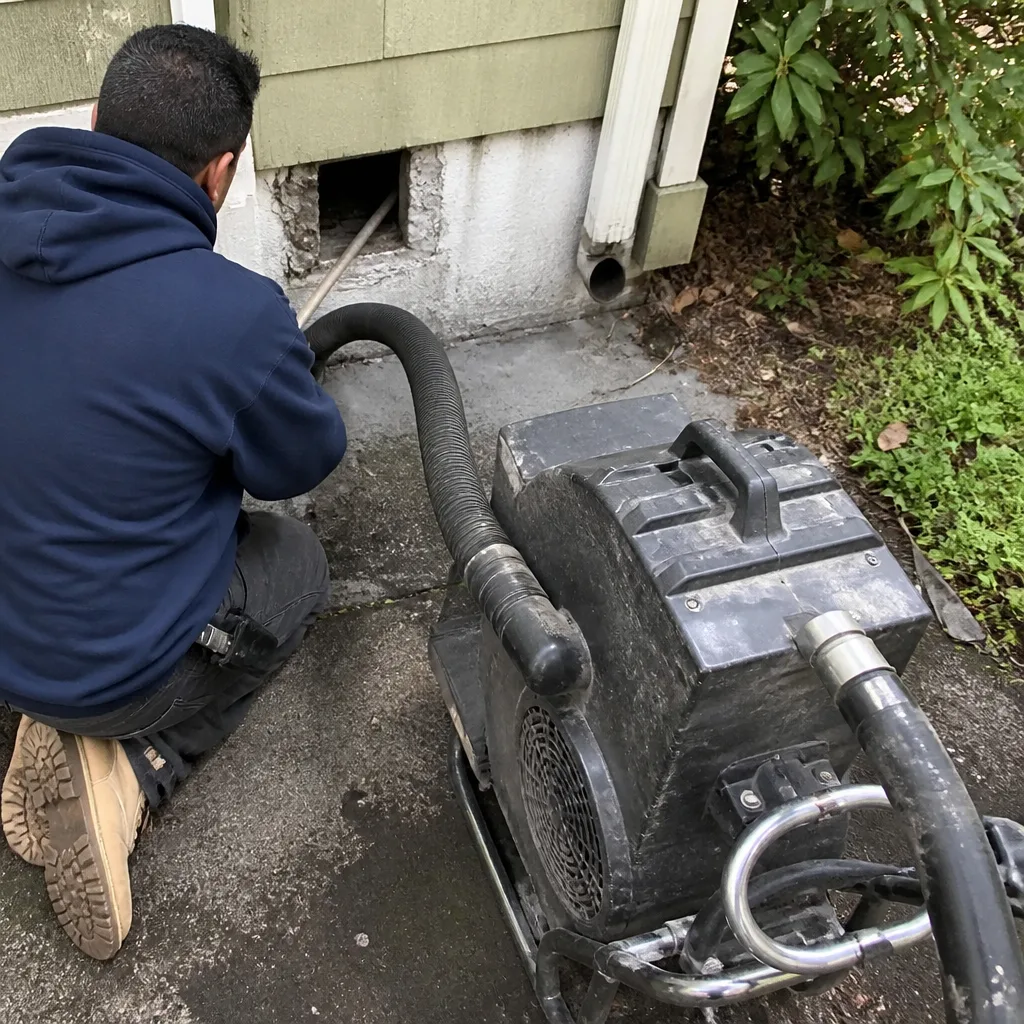 Before
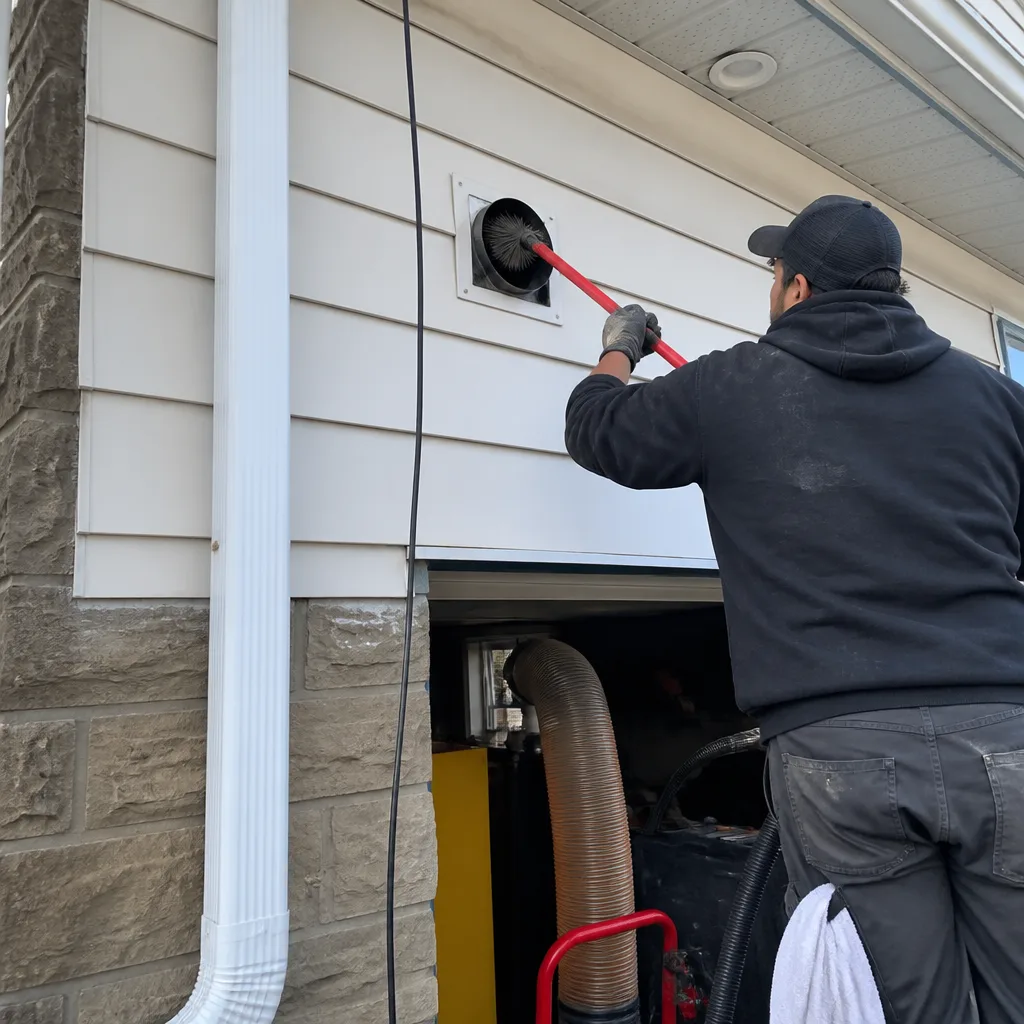 After
After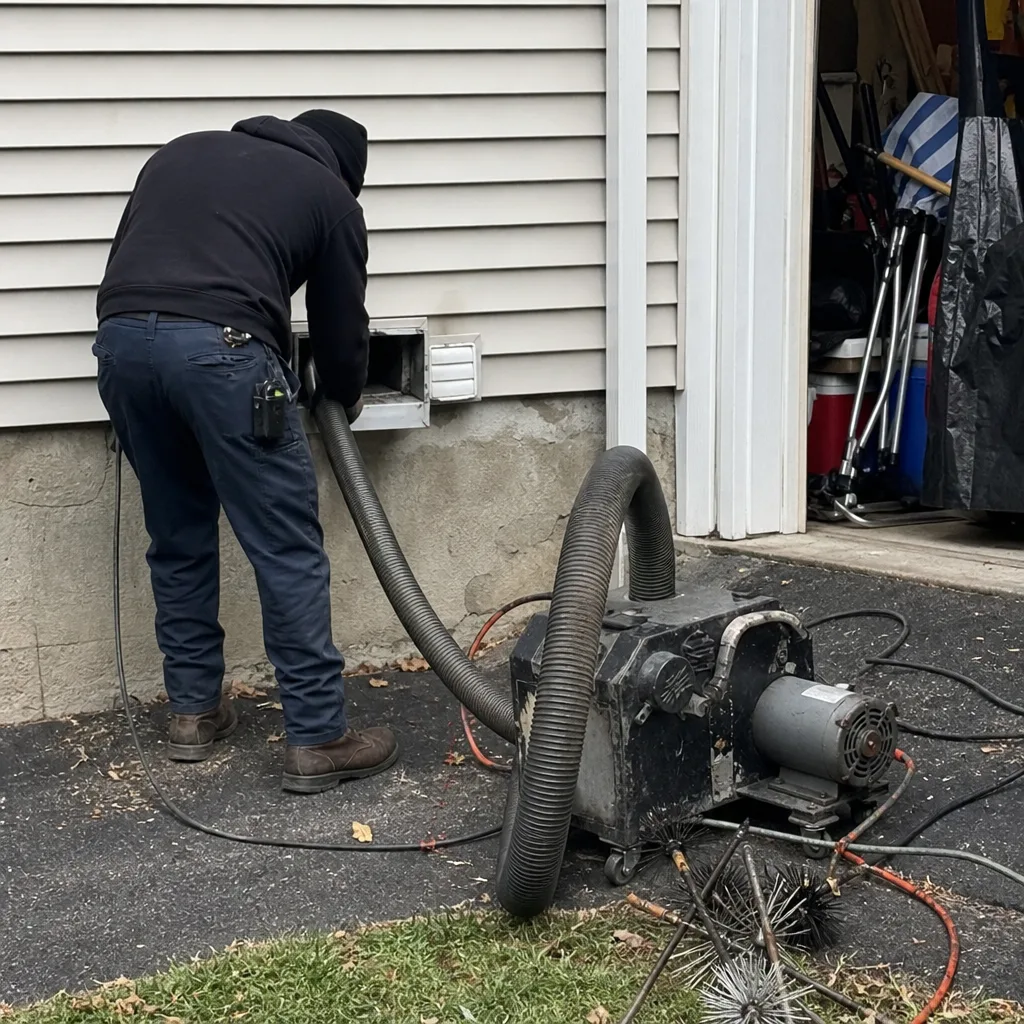 Before
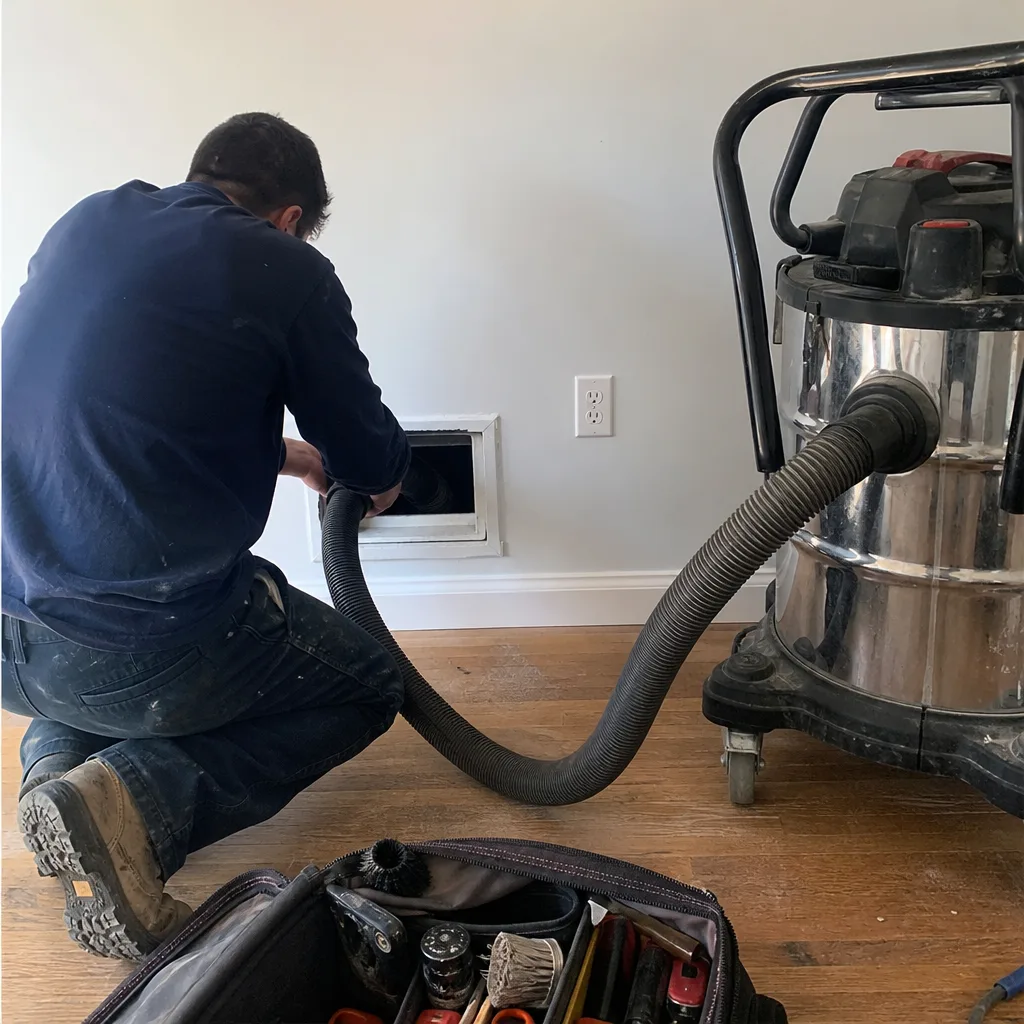 After
After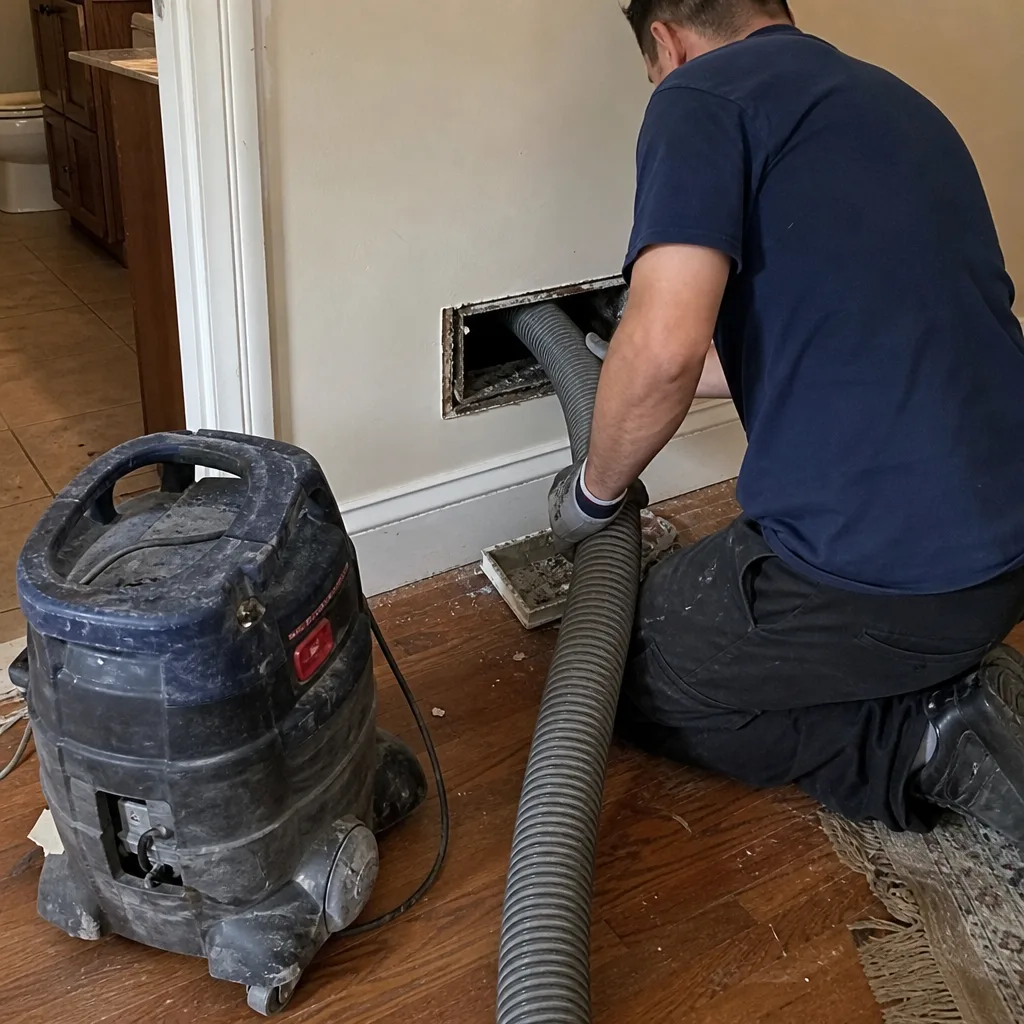 Before
 After
AfterHow Much Does Nikro Vent Sanitizing Cost in Yonkers?
| Job Type | Typical Installed Range | What’s Typically the Culprit |
|---|---|---|
| Portable unit: pump diaphragm / gaskets | $240 – $320 | Hardened diaphragm, dried grommets |
| Portable unit: pump motor or heating element | $300 – $420 | Motor windings, element insulation |
| Inline duct module: full replacement | $380 – $480 | Seized pump, failed control board |
We don’t do per-vent pricing or teaser coupons on vent sanitizing work. The price above is the whole job, parts and labor, written down before we touch a single fitting.
DIY or Call Us?
There’s a handful of things you can safely check before anyone schedules a visit: confirm the unit is plugged into a known-good outlet, make sure the solution reservoir isn’t empty, and check the nozzle tip for crusted sanitizer that a quick soak in warm water will clear. Those three checks cost you ten minutes and occasionally save a service call entirely.
But once you’re past the nozzle and the reservoir, stop. A Nikro unit that’s leaking internally, tripping a breaker, or producing a burnt smell has an electrical or sealing failure that should be handled by someone who’s done it before. Opening the cabinet without knowing how the pump is wired means you’re working around live 115V or 230V connections in a device that also holds liquid – the combination of which warrants a trained professional. If you’re in Yonkers and the unit is down, call us at (914) 613-6563 and Omar or a member of his crew will give you a straight answer on cost and timing. Estimates are free, and there’s a live person on the phone, not a voicemail tree.
FAQs
A Nikro sanitizing unit maintained properly should deliver 5 to 8 years of reliable service before its first meaningful repair, though the pump diaphragm and internal tubing typically need attention at the 3 to 5 year mark. Homes in Yonkers near the Hudson River waterfront or in below-grade basement environments tend to see gasket and tubing aging on the earlier end of that range because of constant humidity exposure.
Yes, in most cases a leaking unit is fully repairable, because the leak usually comes from a failed gasket, cracked pickup tube, or loosened fitting rather than a structural crack in the housing. The exceptions are older units where multiple components have deteriorated simultaneously, at which point a replacement unit often costs less than stacking two or three repairs. We’ll show you the numbers both ways before you decide. Call (914) 613-6563 for a free assessment.
Most portable Nikro vent sanitizing replacements are done within 60 to 90 minutes on site, including the function test with your sanitizing solution. Inline duct-mounted modules take longer – typically 2 to 3 hours – because the duct access point has to be opened, the old unit removed, the new one mounted, and the ductwork resealed and tested for leaks.
We keep the most common Nikro failure parts on our trucks – pump diaphragms, gasket sets, pickup tubes, and heating elements for the current model lines – so most portable-unit repairs finish the same day. For less common parts or older discontinued series, we can usually source from our supply network within a few business days. We also stock parts for Lennox, Trane, and Carrier systems if your sanitizing unit is tied into a larger HVAC setup.
If your Nikro vent sanitizing unit is down and you want a straight answer on cost and a written price before any work starts, call Cardinal Air Duct Yonkers at (914) 613-6563. Clean ducts aren’t a luxury – they’re just the part of your HVAC system nobody thinks about until something goes wrong. We’ll get yours back to fogging like it should.
Written by Omar Haddad, Owner, Cardinal Air Duct Yonkers at Cardinal Air Duct Yonkers, serving Yonkers and nearby areas.